
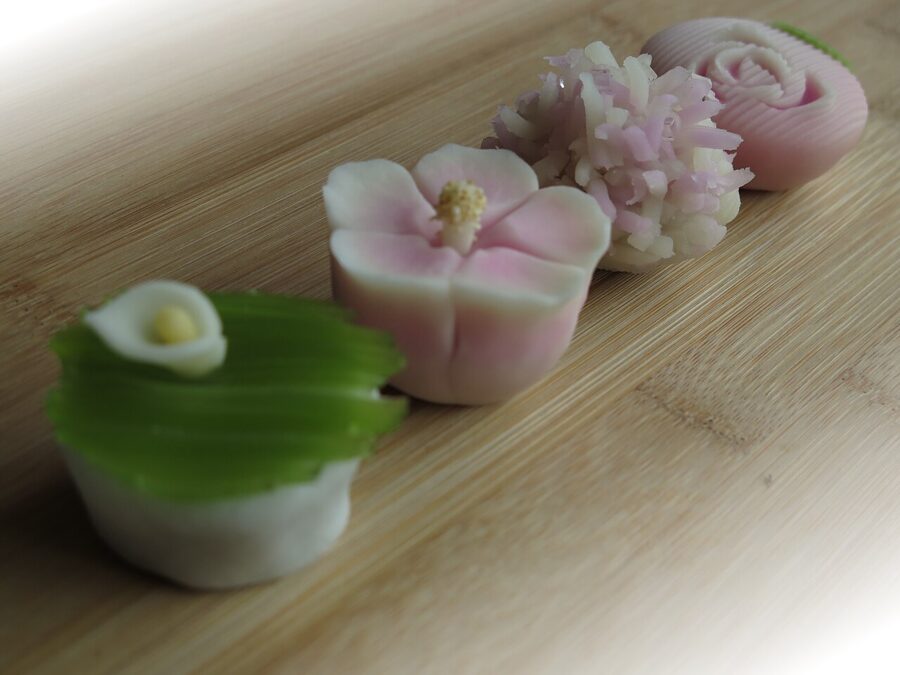
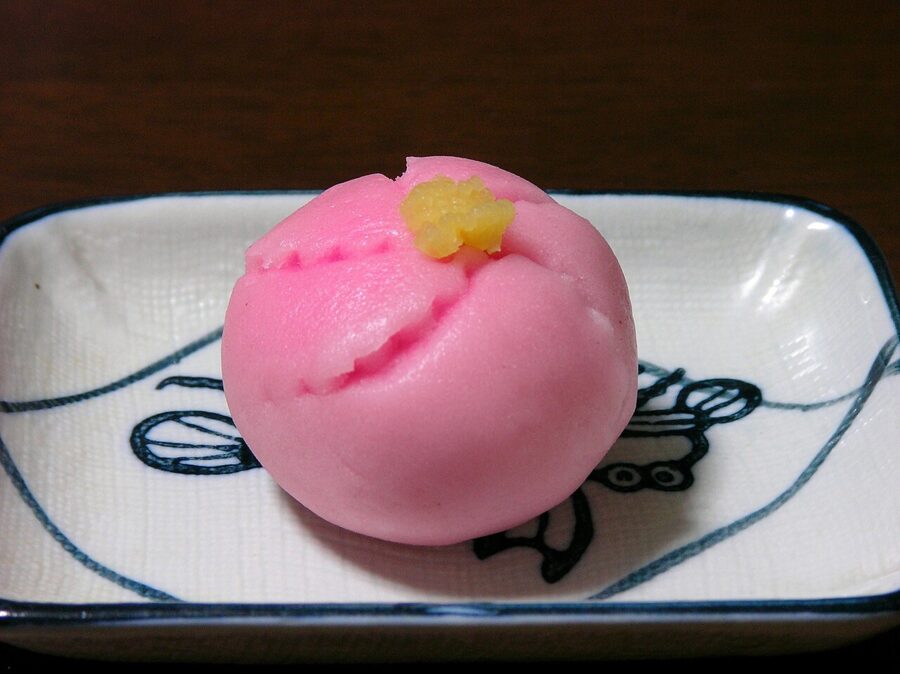
A nerikiri chrysanthemum starts as a ball of sweetened white bean paste about the size of a walnut. The confectioner wraps it around a smaller ball of red bean paste, sets a dot of yellow in the middle, then cuts the petals one groove at a time with a three-sided wooden stick. In November that chrysanthemum sits in the glass cases of Kyoto’s sweet shops next to maple leaves and ginkgo. By January it is gone, and plum blossom and pine have taken its place.
Wagashi (和菓子) is the word for Japanese confectionery, and it covers rice cakes sold warm from a counter, bars of bean jelly that keep for a year, Tokyo pancakes and the small sculpted sweets of the tea ceremony. Azuki and white beans, rice, sugar, agar and kudzu starch do most of the work; the cooking, the water content and the hand do the rest.
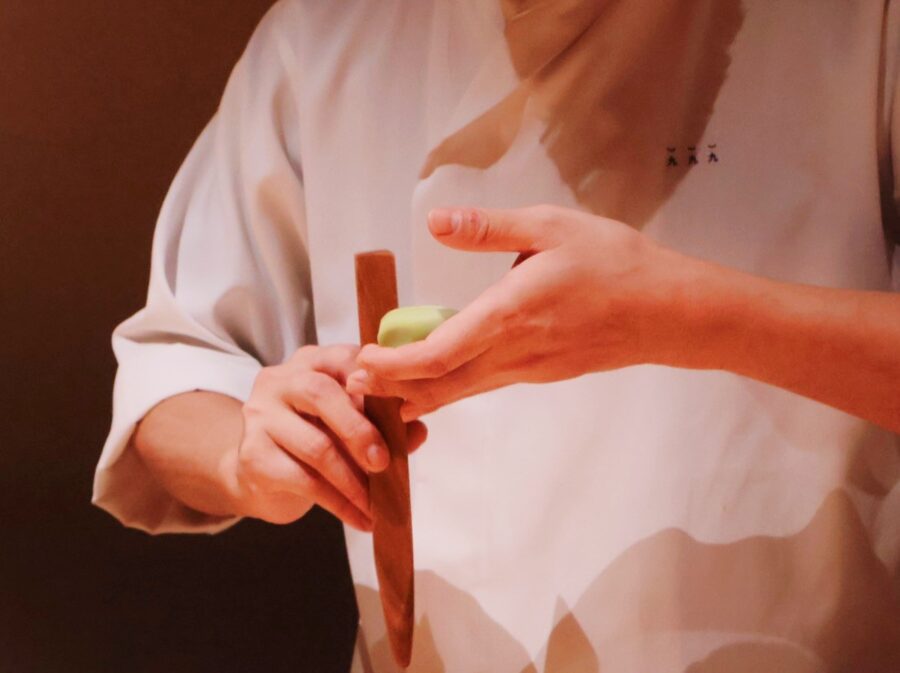

Wagashi sits outside Japan’s official register of traditional crafts, which lists objects rather than food, but the bench work is as exacting as lacquer. Many of the shops have stood on the same street for two or three centuries, and several will let you into a workroom for an hour. A class costs less than most craft workshops in Japan, and what you make goes home with you in a box.

In this article
The families of wagashi
Confectioners sort their sweets by water. Namagashi, “fresh sweets”, hold roughly 30 percent moisture or more and are meant for the day they are made. Higashi, the dry sweets, hold under 10 percent and keep for months, while han-namagashi such as monaka and many kinds of yokan sit in between.
Japan’s agriculture ministry sorts them another way, by how they are made. There are kneaded sweets (nerimono), poured and set sweets (nagashimono), griddle-baked sweets (yakimono), sweets pressed in a mold (uchimono), assembled sweets such as monaka (okamono) and sweets built from mochi (mochimono).
Namagashi: nerikiri and konashi
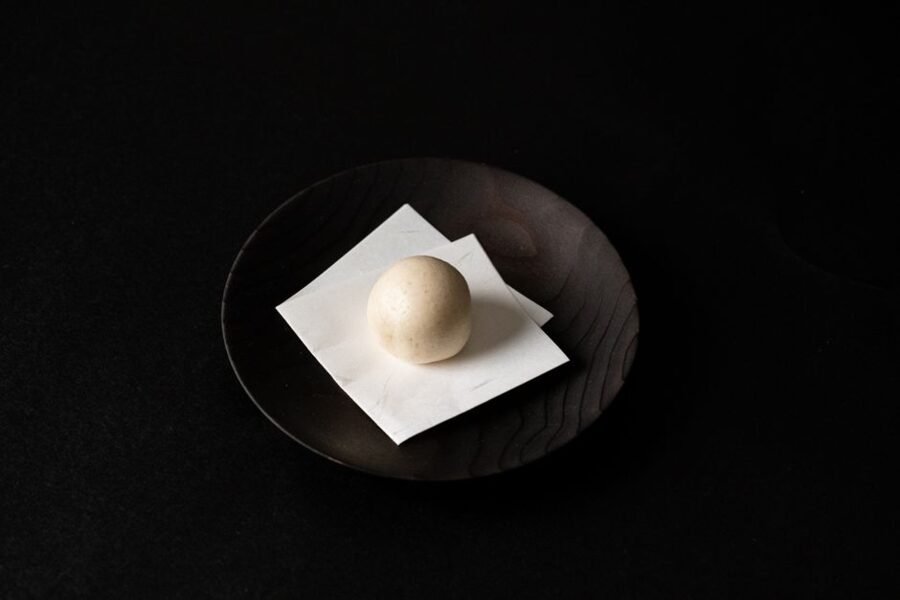
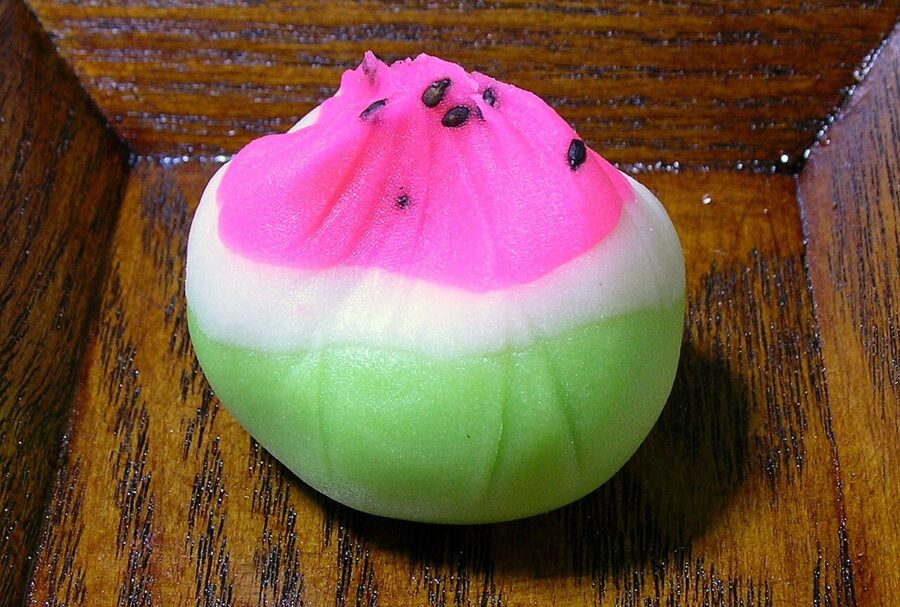
The top of the range is jo-namagashi (上生菓子), the sculpted sweets of the tea room. Nerikiri is the best known: white bean paste kneaded with a binder of yam or gyuhi, a soft mochi, until it holds a shape like modeling clay. Kyoto shops lean toward konashi, in which the bean paste is mixed with flour, steamed and then worked by hand, which gives a firmer, slightly springier sweet that takes a crisper cut.
On November 17, 2022, Japan registered both as an intangible cultural property under the title “namagashi with confectioners’ names (nerikiri and konashi)”. To a confectioner, the name is part of the sweet.
Mochi and daifuku
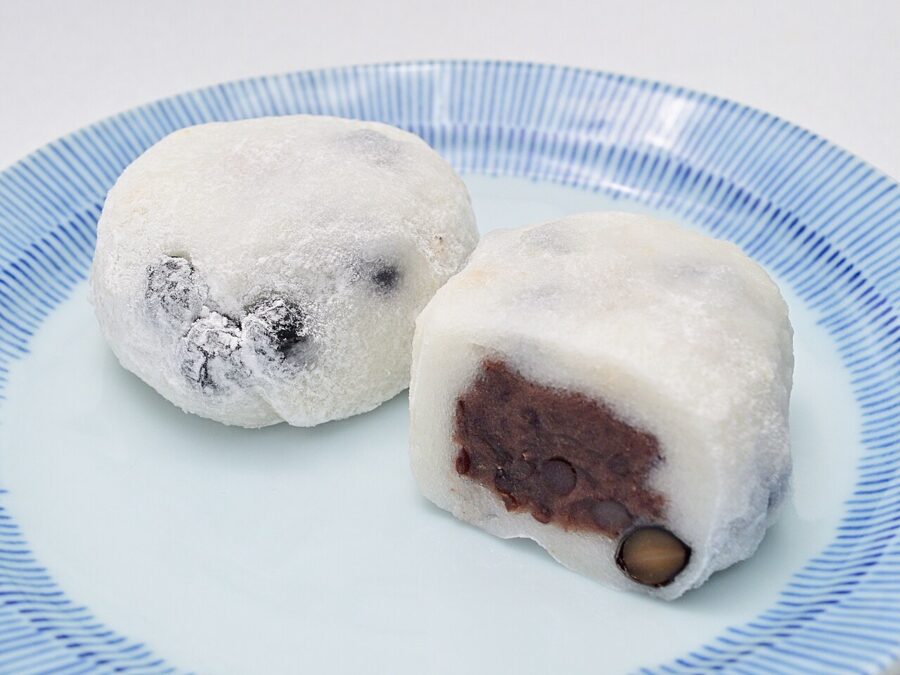
Mochi is glutinous rice, steamed and pounded, or shiratamako (rice flour ground wet and dried) cooked with water. Daifuku wraps a ball of red bean paste in a thin skin of it and dusts it with starch; mame daifuku folds whole beans into the skin, and ichigo daifuku hides a strawberry inside. These are the sweets of the shop counter and the station kiosk. They harden within a day, so the good ones come from shops that make them that morning.
Yokan
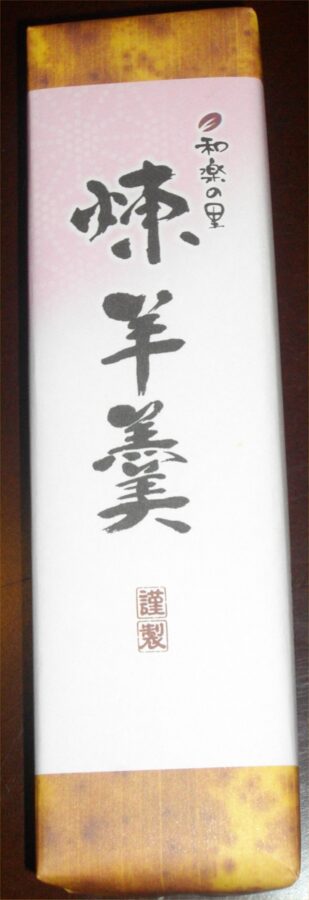
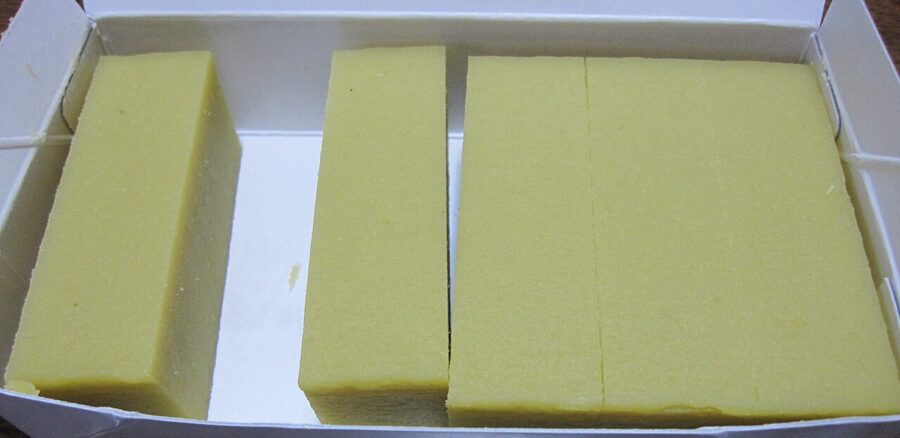
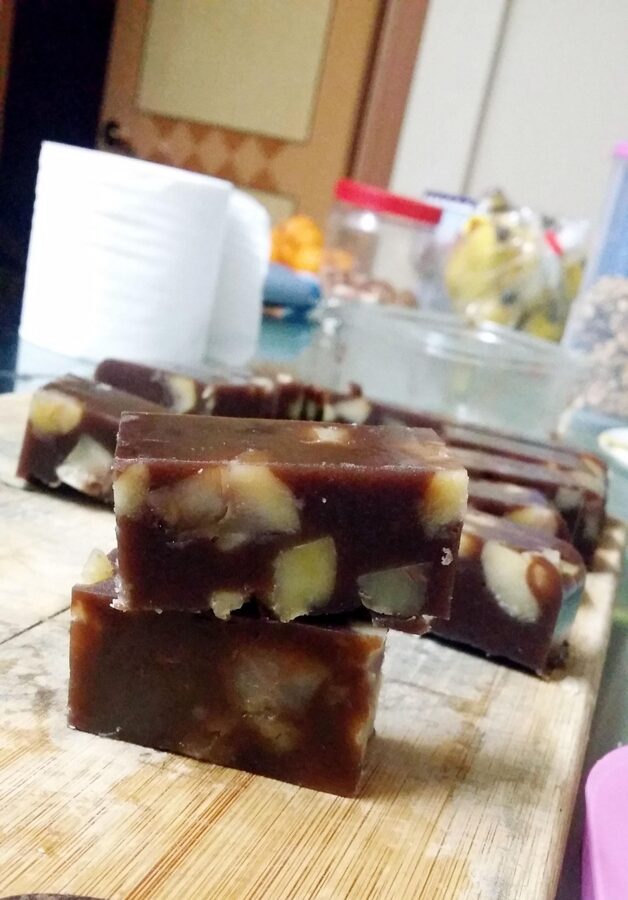
Yokan is bean paste set with agar into a bar. Neri yokan is cooked down for a long time until it is dense and glossy and keeps for months unopened; mizu yokan uses more water and less sugar and sets soft; mushi yokan is steamed with flour. The ministry’s calendar gives yokan a season too: mizu yokan in July, chestnut yokan in October, sweet potato imo yokan in November and yuzu yokan in December.
Neri yokan is what the old houses wrap as gifts, because it travels. If you only bring one wagashi home in a suitcase, make it this.

Dorayaki and monaka
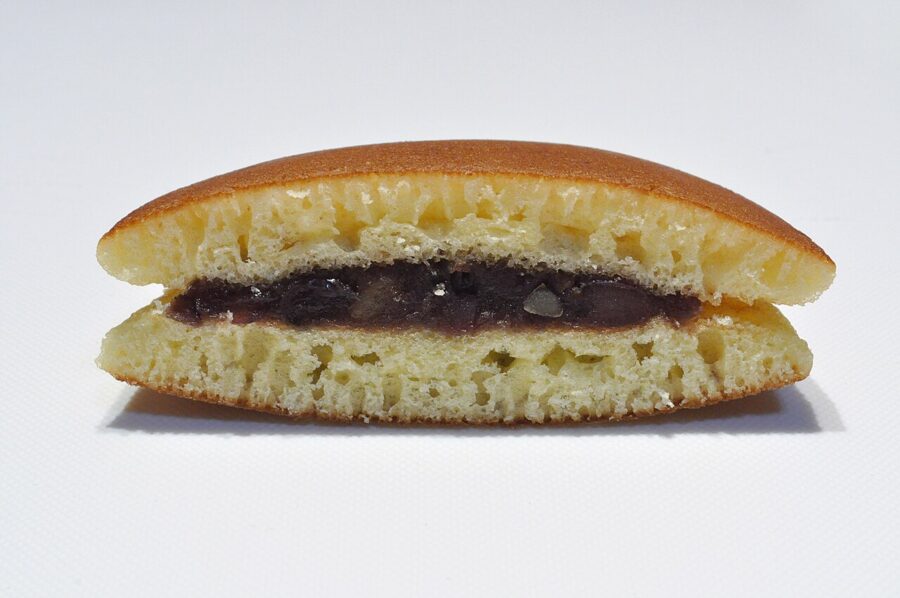
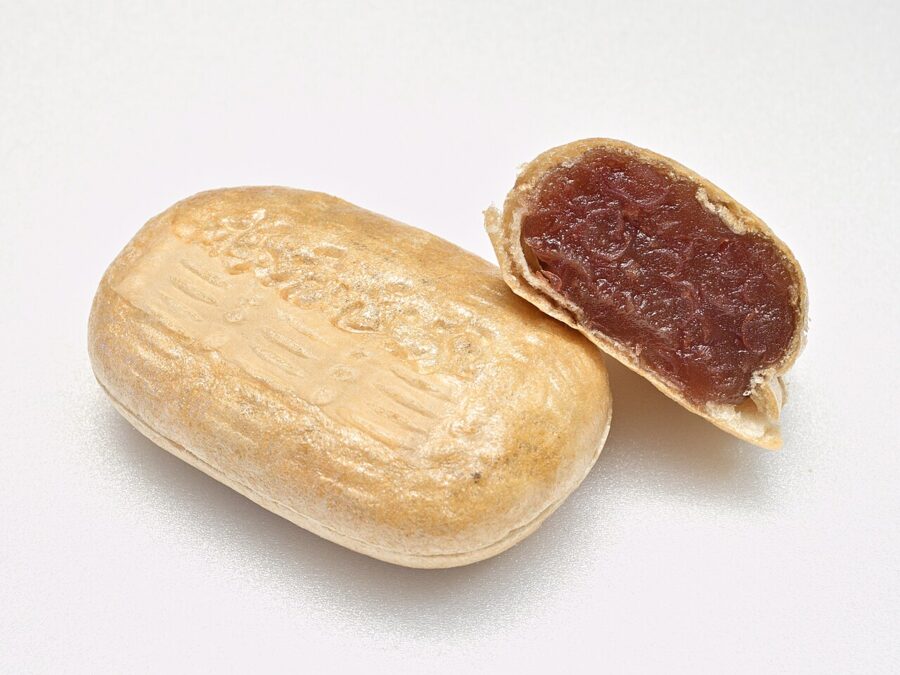
Dorayaki is two small pancakes of egg, flour and sugar around a layer of red bean paste, the sweet a Tokyo child grows up on. Monaka is two crisp wafers of mochi rice, pressed in a mold into a flower, a bale of rice or a family crest, and filled with bean paste. The better shops fill the wafers close to sale, or sell them separate so you can fill them yourself, because a soft monaka is a sad thing.

Higashi: rakugan and wasanbon
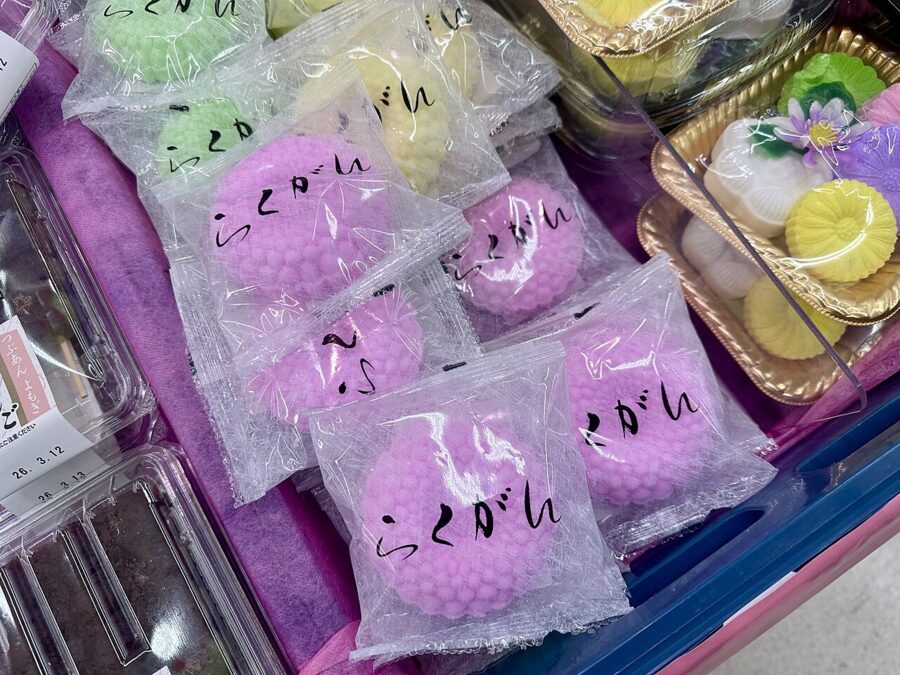
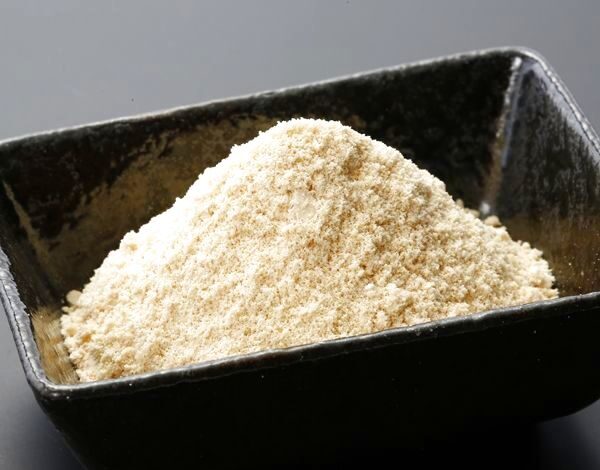
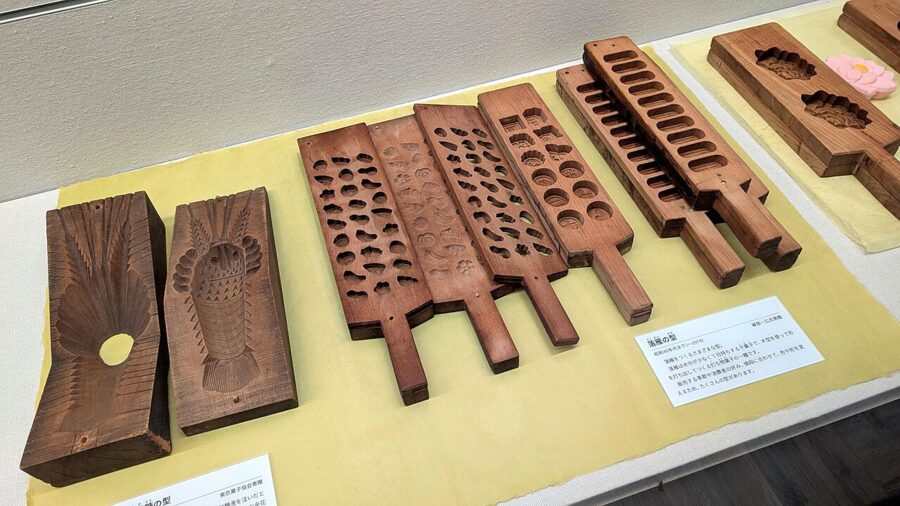
Rakugan is rice flour and sugar pressed into a carved wooden mold and dried, so the design is cut by the mold carver rather than the confectioner. The finest use wasanbon, a pale, powdery sugar from a local cane grown in Tokushima and Kagawa on Shikoku. It is refined by kneading it with a little water and pressing the molasses out under weights, again and again, and it melts on the tongue like snow.
At the tea ceremony the two kinds have separate jobs. Moist omogashi come with koicha, the thick tea, and dry higashi with usucha, the thin one.



How nerikiri is made
Everything starts with shiro-an, white bean paste. White beans are soaked overnight, boiled soft, pushed through a sieve to drop the skins, rinsed, pressed dry in a cloth and cooked again with sugar. The an is the real house secret, more than any shape on top.
For nerikiri the shiro-an is cooked again with a binder. The ministry’s description uses grated tsukune-imo, a mountain yam; many shops use gyuhi, a soft mochi of shiratamako, water and sugar, at about one part to ten of bean paste. The mixture is stirred over heat, pulled into small pieces on a board to cool, and kneaded until it is smooth and pale and holds an edge. The name comes from neru, to knead.
Color goes in next, a little at a time, usually from plant-based colorings. A disc of pink dough laid over a disc of white and wrapped around a ball of koshian (smooth red bean paste) gives a petal that fades from tip to base. Green worked into a corner of white gives a leaf with a pale edge.
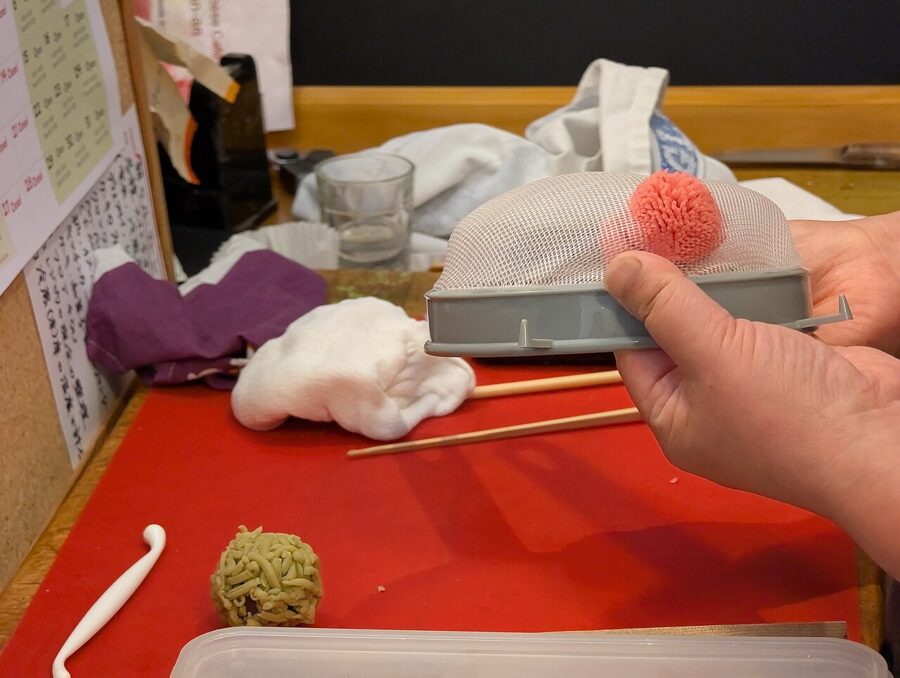
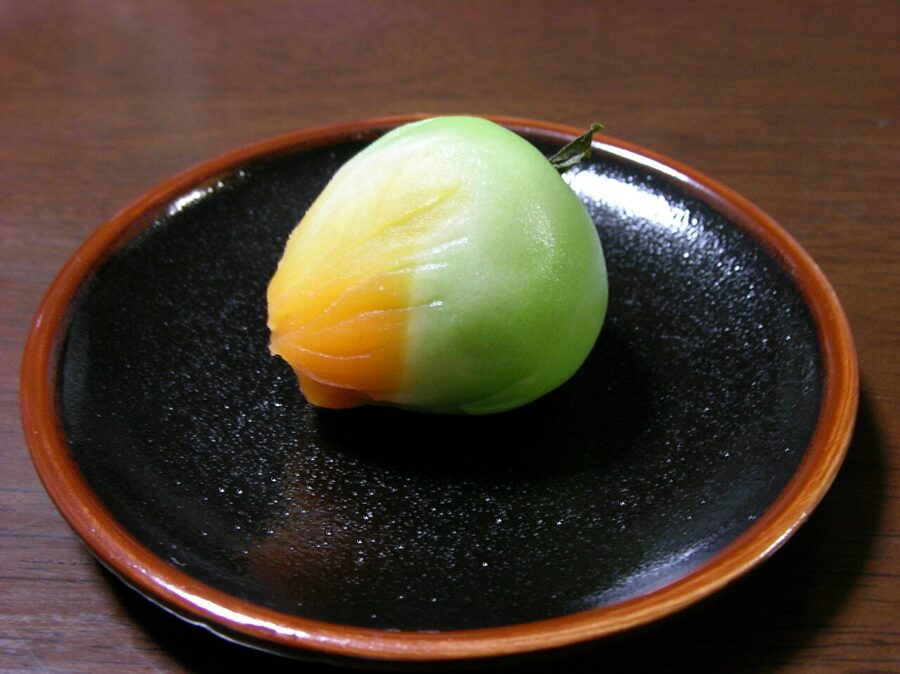
Then the shaping, with very few tools. The sankaku-bera scores chrysanthemum petals and leaf veins. A damp square of cloth, twisted around the ball and squeezed, leaves the pleats of a camellia bud or a wrapped persimmon; this is chakin shibori, named for the cloth used to wipe a tea bowl. Pressing the dough through a fine mesh makes the threads of kinton, which are set around a center with long chopsticks to look like a hillside of autumn leaves or a bank of spring flowers.
An experienced confectioner finishes a chrysanthemum in a few minutes. In a class you will make two or three in an hour, and the last one is always the best.

Why the sweet changes every month
A namagashi has a name, and the name does half the work. The kamei (菓銘) can come from a flower, a poem, a festival or a place, and a plain pink round with one notch reads differently depending on what it is called and which week it is sold. Nerikiri designs took their present form in Kyoto in the late Edo period, once sugar became cheap enough after the shogun Tokugawa Yoshimune pushed cane growing at home.
The calendar comes from the tea ceremony. A host picks the scroll, the flowers and the sweet to point at the same moment, and the guest eats the sweet before the tea, so the sugar meets the bitter matcha. The same seasonal motifs run all through Japanese art, on screens, kimono and lacquer, and Edo confectioners kept pattern books of their designs that doubled as catalogs.
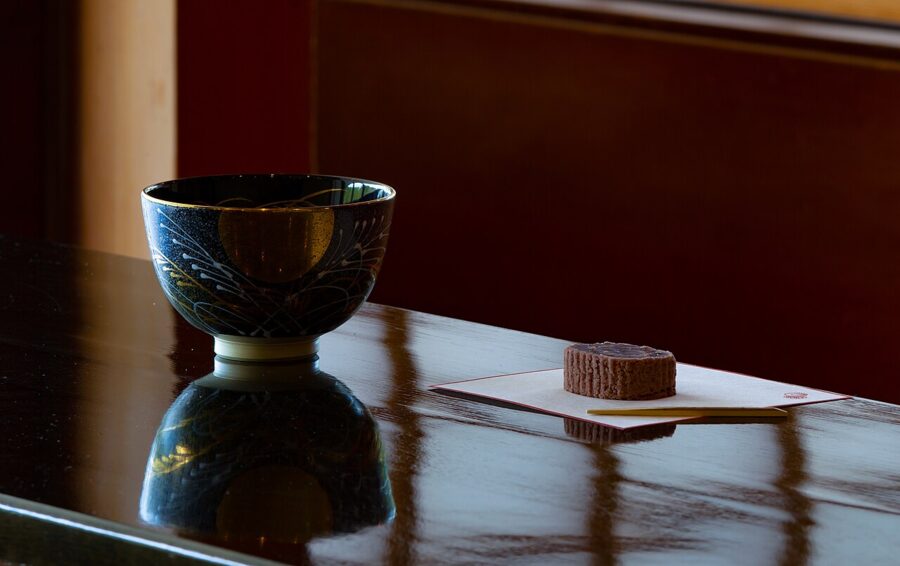

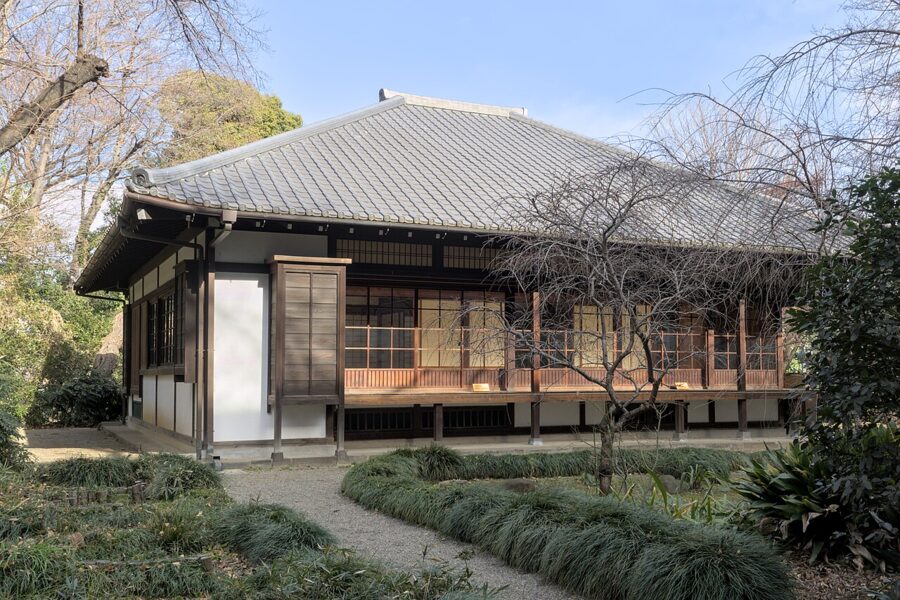

Here is how a year runs at a Kyoto counter, as a rough guide:
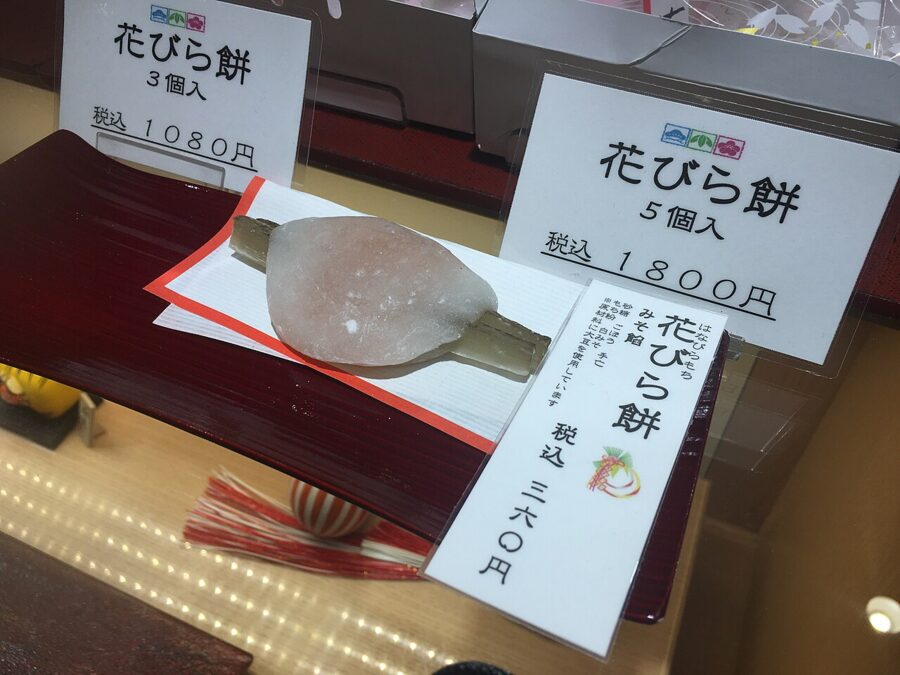
- January: hanabira mochi, a white disc of mochi folded over sweet burdock and miso bean paste, made for the first tea of the year. Pine, bamboo, cranes and turtles on the namagashi.
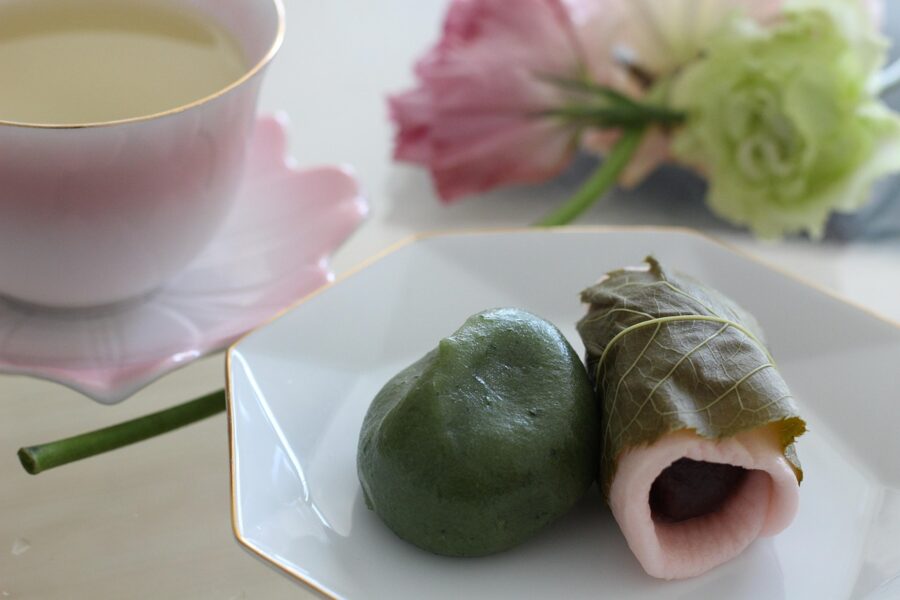
- February and March: plum, then peach and cherry; sakura mochi and hishimochi for Hinamatsuri, the Doll’s Festival on March 3.
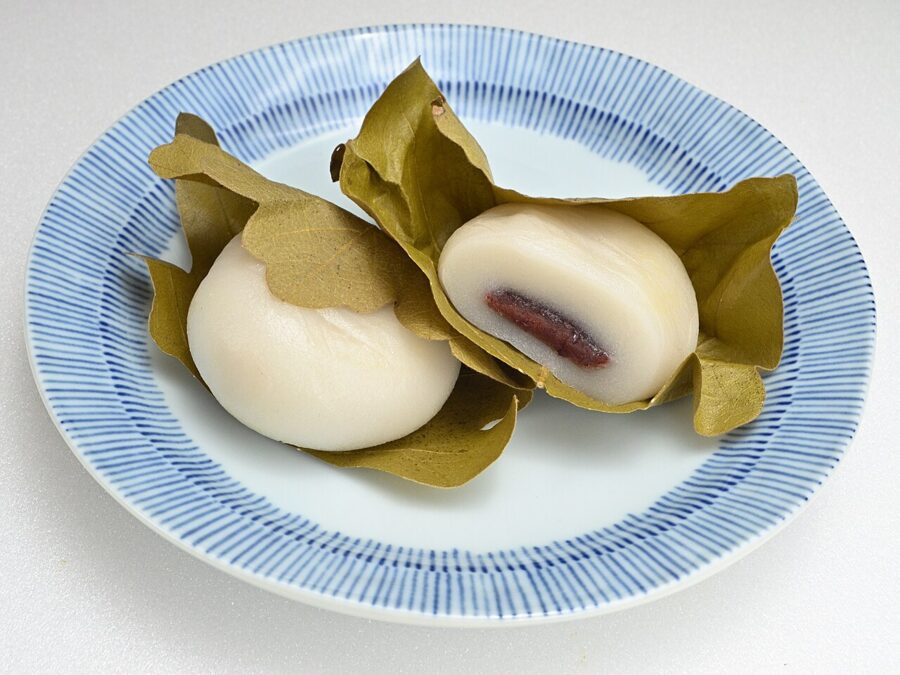
- May: kashiwa mochi, wrapped in an oak leaf, for Children’s Day on May 5.
- June: minazuki, white triangles topped with azuki, eaten in Kyoto on June 30 to see out the first half of the year.
- July and August: clear kuzu sweets and mizu yokan, with swirls of water, sweetfish and fireflies on the namagashi.
- Autumn: chestnut kinton, maple, ginkgo, chrysanthemum and persimmon; in November, inoko mochi.
- December: yuzu yokan and the first snow motifs.



The old houses: where to buy and where to look
Kyoto
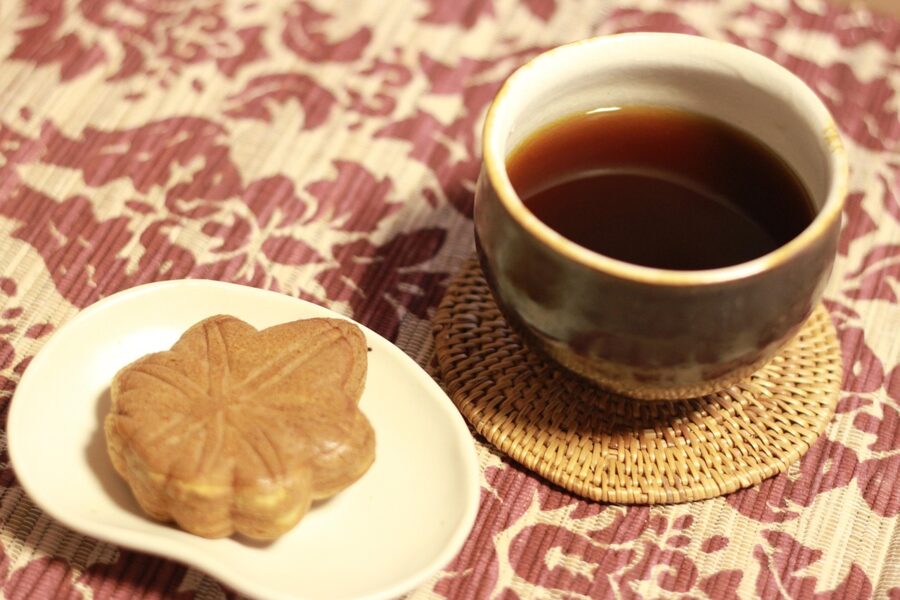
Toraya began in Kyoto in the late Muromachi period and has served the imperial palace since the reign of Emperor Go-Yozei (1586 to 1611). When the capital moved in 1869 it followed the emperor to Tokyo and kept its Kyoto shop. Toraya Karyo Kyoto Ichijo, its Kyoto store and tearoom, is the easy place to eat a seasonal namagashi sitting down.
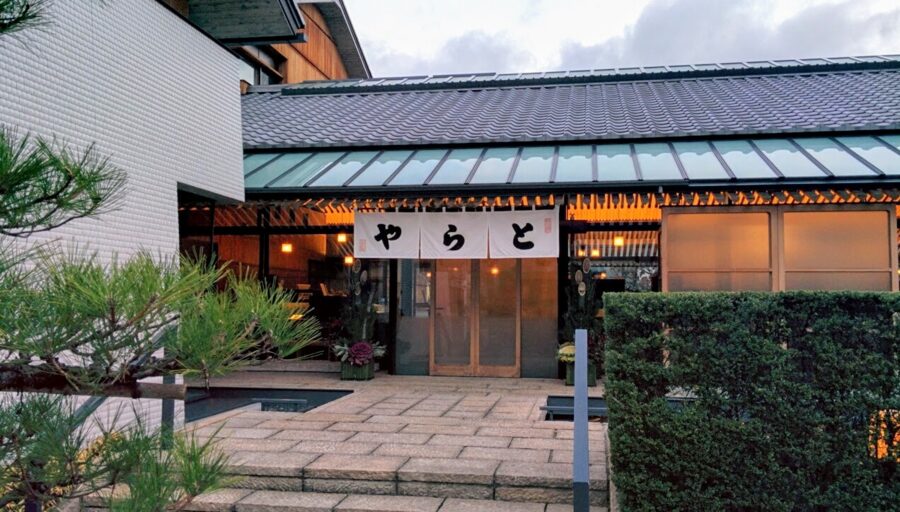

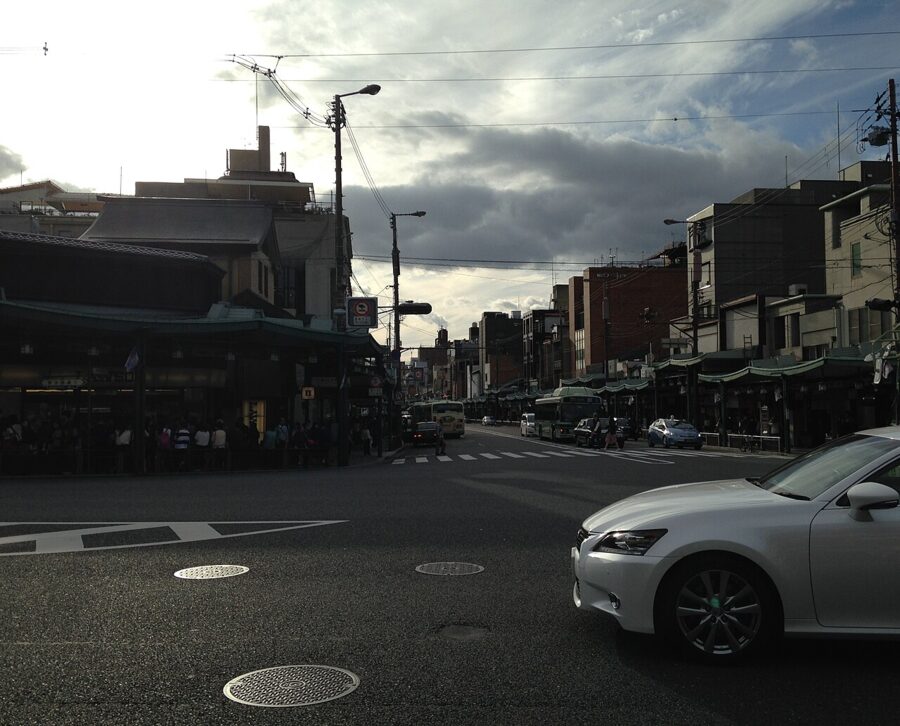
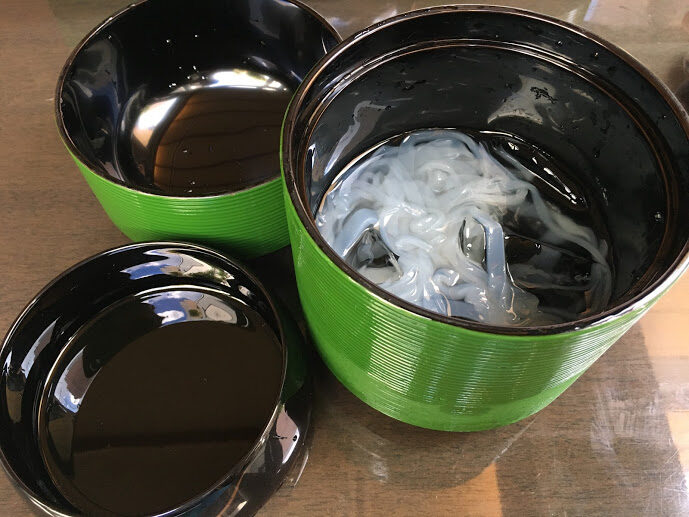
Kagizen Yoshifusa has sold sweets on Shijo-dori in Gion since the mid-Edo period, in front of Yasaka Shrine. Its tearooms on Shijo and by Kodaiji serve kuzukiri, noodles of kudzu starch chilled in water and dipped in black sugar syrup, and in November 2026 its counter listed ginkgo, maple and inoko mochi among the namagashi. Kuzukiri is the thing to order; the namagashi are the thing to take back to your room.

Tawaraya Yoshitomi traces its confectionery to 1755 and is known for Unryu, a roll sliced to show a swirl like a dragon in clouds. On Karasuma-dori, next to its Karasuma store, it runs the Kyogashi Shiryokan, a small museum of Kyoto confectionery opened in 1978, with sugar-craft displays and a tearoom. As of November 2026 it opens 10:00 to 17:00 (last entry 16:00) and closes on Wednesdays and Thursdays; admission is paid and varies with the exhibition.
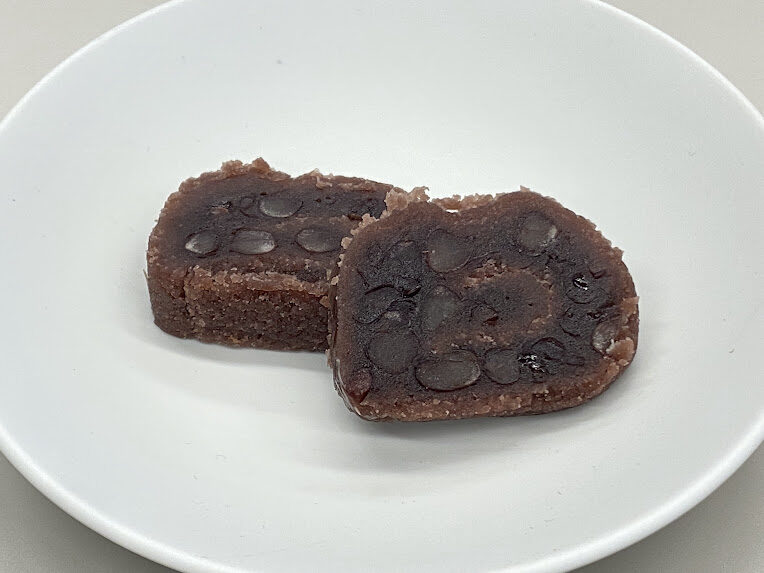
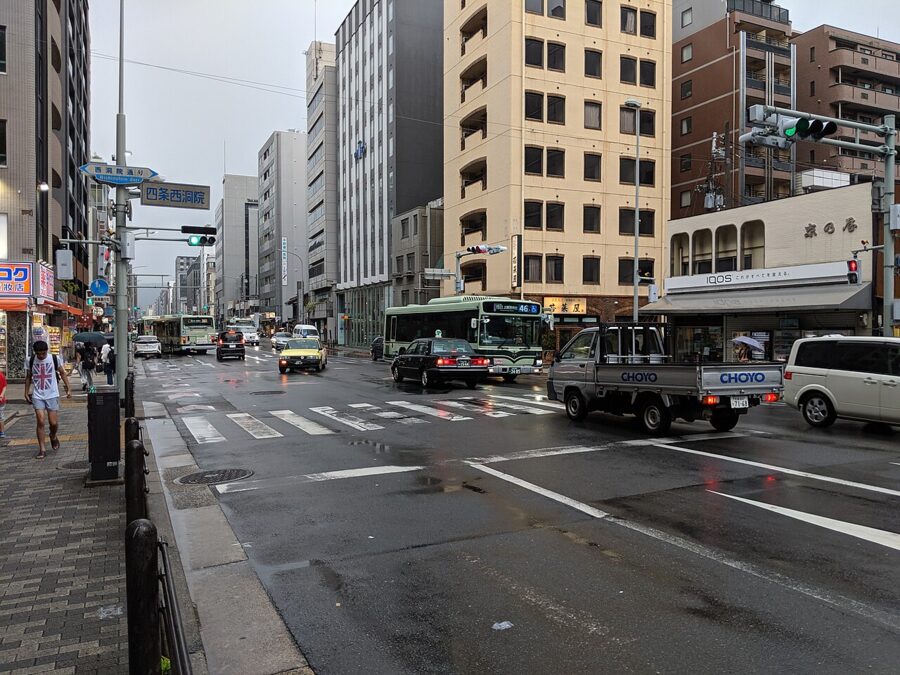
Kameya Yoshinaga, founded in 1803, keeps its main shop on Shijo-dori just west of Aburanokoji, and runs one of the best classes in the city (below).
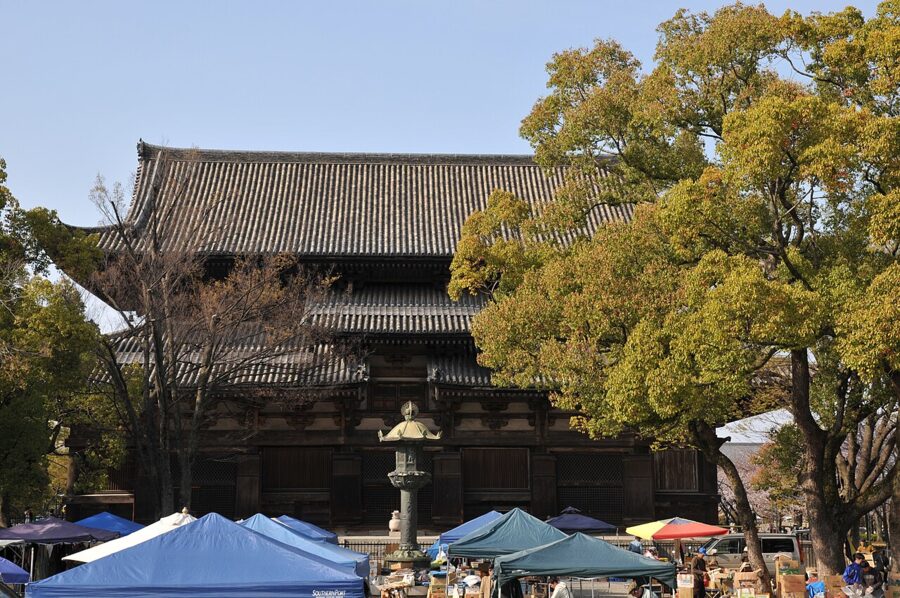
Sasaya Iori was founded in 1716, when a confectioner named Sasaya Ihei was called from Ise to serve the palace. Its dorayaki is not the Tokyo pancake at all: a thin crepe rolled around a log of koshian and wrapped in bamboo sheath. The house says a To-ji monk asked the fifth-generation Ihei for a sweet to go with meals in the late Edo period, and Ihei baked it on the temple’s gong, its dora. It sells only on the 20th, 21st and 22nd of each month, around the Kobo-ichi market at To-ji on the 21st, and has done so since 1975; before that it was the 21st alone.

Tokyo
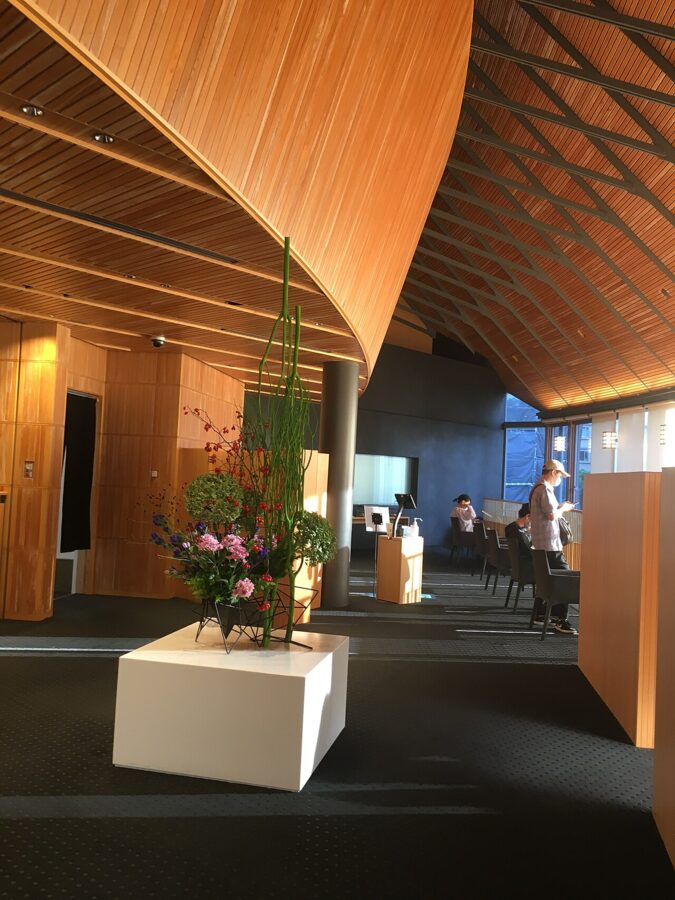
Toraya’s Akasaka store is the Tokyo flagship, with its own tearoom, and the place to buy neri yokan in Tokyo. It is wood inside and quiet, a good hour’s rest between Akasaka’s office towers.

Usagiya, at Ueno 1-chome across Chuo-dori from the Ueno Frontier Tower, makes the dorayaki Tokyo argues about. Since April 10, 2026 one costs ¥270 (about $2). It bakes them until 4 p.m.; come later and you should reserve by phone, and the shop will not sell dorayaki for shipping. As of November 2026 it opens 9:00 to 18:00, closes on Wednesdays and takes cash only.
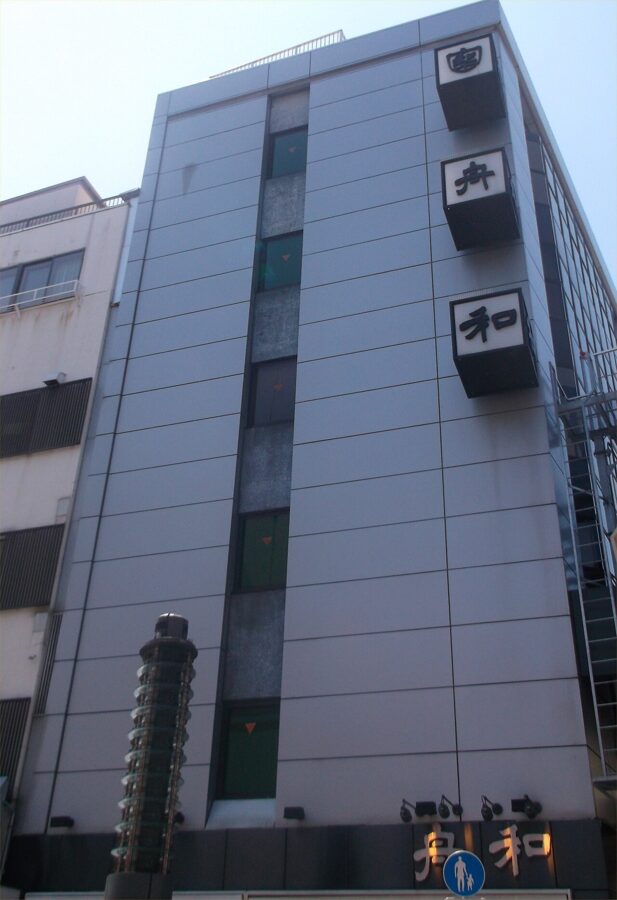
Funawa has been in Asakusa since 1902 and is known for imo yokan, a bar of steamed sweet potato and sugar with nothing else in it, and anko-dama, colored balls of bean paste in a thin coat of agar. It is the cheapest good wagashi in Tokyo and an easy stop on the walk to Senso-ji.

Wagashi classes in Kyoto
Kyoto has the most classes, and the ones worth booking run in working confectioners’ own shops. The table gives prices and times from each shop’s class page as of November 2026.
| Class | Where | What you make | Length | Price (tax incl.) |
|---|---|---|---|---|
| Kanshundo | Higashi store, Higashiyama; Saga-no store, Arashiyama | 3 namagashi, 1 dry sweet, matcha | About 1 hr 15 min | ¥3,700 (about $23) |
| Kameya Yoshinaga | Main shop, Shijo-dori | Nerikiri and kinton, a wasanbon higashi demonstration, matcha | 1 hr, 14:00 | ¥3,300 (about $21); students ¥2,750 (about $17) |
| Tawaraya Yoshitomi Kyogashi Culture Salon | Kyogashi Shiryokan, Karasuma-dori | Seasonal namagashi such as konashi and kinton, tea, museum visit | 1 hr to 2 hr 30 min | ¥2,000 to ¥9,000 (about $13 to $57) |
Kanshundo, founded in 1865, runs its class at two shops: the Higashi store on Chayamachi in Higashiyama, by Toyokuni Shrine, and the Saga-no store in front of Seiryoji in Arashiyama. Sessions start at 9:15, 11:00, 13:15 and 15:00 every day except January 1, and you make three namagashi and one dry sweet, drink matcha, and take the sweets home boxed. A booking needs two people, but one person can join a slot someone else has booked, and children pay the adult price. Instructions come in printed English, Chinese or Korean if you ask when booking, through the online form or by phone two or three days ahead.
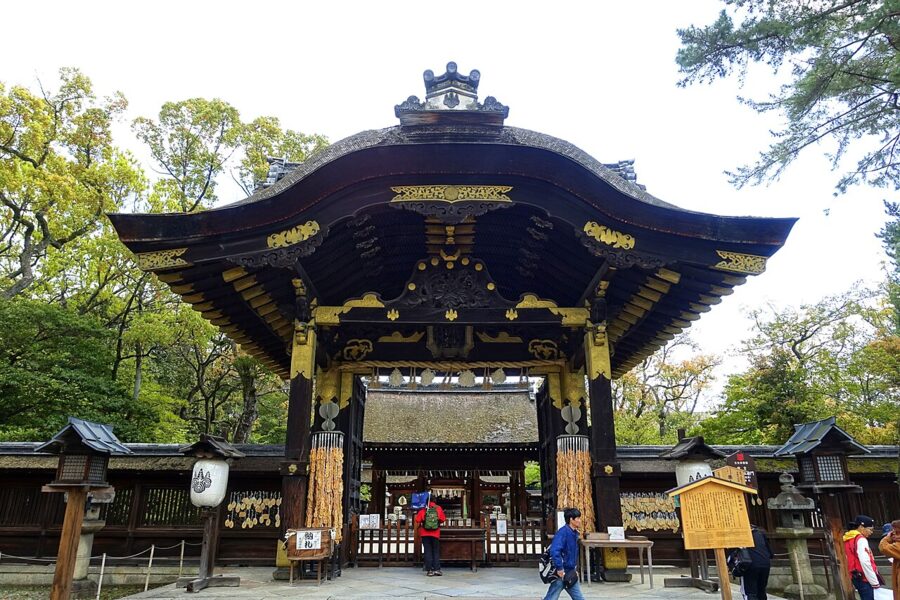

For a first class with children or a mixed group, Kanshundo is the easy choice. Four sessions a day and a printed sheet you can follow make it hard to get wrong.
Kameya Yoshinaga’s class is the one I would book for the shop itself. It runs once a day at 14:00, not on Sundays, for groups of 2 to 36; a single person can join a session that already has a booking.
You make a nerikiri and a kinton, watch a wasanbon higashi being pressed, and take one sweet home with the higashi; a companion who only watches pays ¥770 (about $5) and gets matcha. Book through the online form, or by phone for same-day places. The class page does not say what language it is taught in, though it comes in English and Chinese, so ask.

Tawaraya Yoshitomi’s Kyogashi Culture Salon is the most thorough and the least flexible. The Light course (about an hour, ¥2,000) takes groups of 4 to 20; the Standard (about 1 hr 40 min, ¥6,000 or about $38) and Premium (about 2 hr 30 min, ¥9,000) add the museum, the tearoom and, in the Premium, whisking your own matcha.
Book at least 14 days ahead. There are no sessions on Wednesdays or Thursdays, only the Light course runs from mid-November to the end of December, and there is no English, so bring an interpreter. Children must be in fourth grade or older.
Wagashi classes in Tokyo
Many of Tokyo’s English-language wagashi classes are taught by independent instructors in home studios and sold through booking platforms. The one with a fixed address and posted prices is an Tokyo (日本文化体験 庵an東京), a culture studio on the third floor of a building in Kajicho, Chiyoda, about three minutes on foot from JR Kanda Station. As of November 2026 its booking page lists a nerikiri class from ¥1,870 (about $12), matcha you whisk yourself plus nerikiri from ¥2,870 (about $18), and a three-part course with a dry sweet from ¥4,360 (about $27), with solo bookings accepted. Its listings say English is offered where possible, and a session guaranteed in English must be requested separately at extra cost.

Tsukiji Cooking, the English-language studio in the Tsukiji Outer Market, will put wagashi on the menu of a private class, but that costs ¥154,000 (about $970) for a group of up to ten, as of November 2026. If you want to learn from a confectioner rather than a studio, go to Kyoto. In Tokyo I would spend the hour sitting down instead, with the month’s namagashi in the tearoom at Toraya Akasaka, and save the hands-on part for the Kyoto leg. Food classes in Tokyo mostly work the same way, the sushi-making classes and ramen-making workshops included: read what the listing includes, not just the photo.
Making wagashi at home
You can make a passable namagashi in a home kitchen with two ingredients from a Japanese grocery: ready-made shiro-an and shiratamako. The usual home ratio for nerikiri is 200 g of shiro-an to a gyuhi made from 5 g of shiratamako and 10 ml of water. Stir the flour and water smooth, microwave it for about 20 seconds until it turns translucent, and work it into the bean paste.
Microwave that mixture in one-minute bursts, stirring between, until it stops sticking to a dry finger. Pull it into small pieces to cool, then knead it together until it is smooth. Wrap about 15 g around 10 g of koshian for each sweet.
A chopstick does the sankaku-bera’s work, plastic wrap does chakin shibori, and a tea strainer turns out kinton threads. Use food coloring a toothpick-tip at a time; nerikiri goes garish faster than you expect.
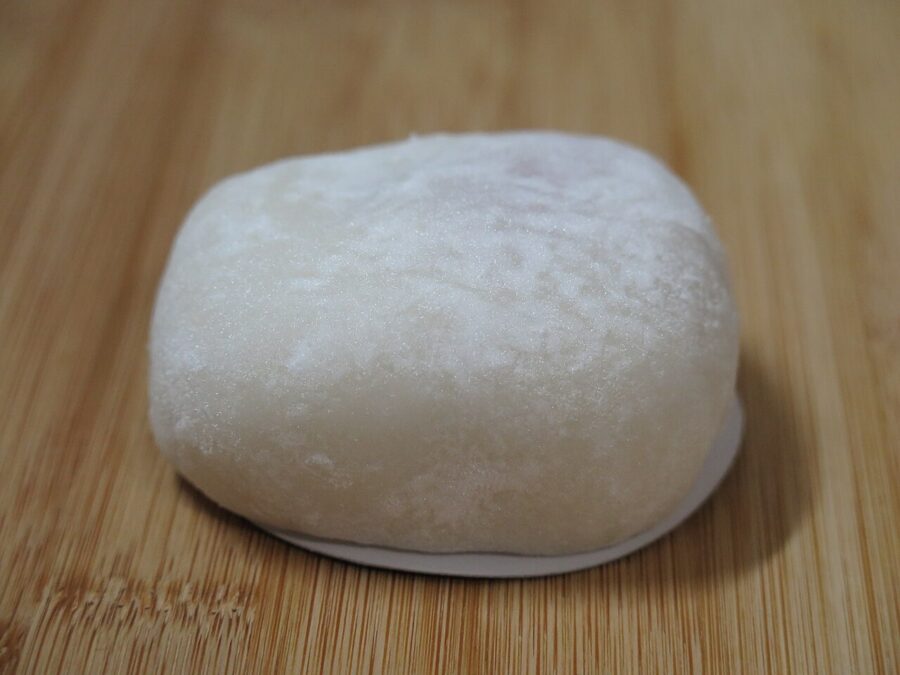
Daifuku is easier still. Mix about 100 g of shiratamako, 20 g of sugar and 150 ml of water, microwave for a minute, stir, and repeat two or three times until the dough is glossy and stretchy. Turn it onto a tray dusted with katakuri starch, cut it into pieces and wrap each around a ball of red bean paste, with a strawberry in the middle if they are in season.
Mizu yokan needs no shaping at all. Boil about 2 g of powdered kanten in 300 ml of water for two minutes, stir in 300 g of koshian, pour it into a container and let it set in the fridge. Cut it in cubes and serve it cold, in July, on glass.
Buy one namagashi on your first afternoon in Kyoto and look at the petals before you eat it. If the grooves are fine and even and run cleanly into the center, someone cut them one at a time with a three-sided stick.