
In June 1976 the Eidan, the authority that ran most of Tokyo’s subway, hung ten posters of Marilyn Monroe in its stations. Seven were gone by the end of the first day. They were not advertisements: the poster asked riders not to leave their umbrellas on the train, and the people who took it home wanted the joke on their own wall.
The joke was in the title. Monroe’s 1954 western River of No Return is known in Japan as Kaerazaru Kawa, and the poster called itself Kaerazaru Kasa, the umbrella of no return. That is the whole method of Tokyo’s subway manner posters in one line: a famous face, a pun, a small request.
The posters have run every month since September 1974, and they still do. They have gone from Hollywood parodies to mirror paper, from nature scenes to a zodiac horse warning you off the closing doors.
The Teito Rapid Transit Authority, the Eidan, became Tokyo Metro when it was privatized in 2004. The posters are made by a foundation the subway set up in 1956 as a mutual-aid society for its workers, renamed the Metro Cultural Foundation in 2003, which also runs the Subway Museum in Kasai.

In this article
September 1974: a designer, a map and a poster a month
The campaign dates from September 1974. The man who made the posters was Kawakita Hideya, a graphic designer from Kurume in Fukuoka who had trained at Tokyo University of the Arts. He had already drawn the Eidan’s route map, a job that started as his graduation project and ended with the subway hiring him officially.
Kawakita founded his studio, Nihon Bellier Art Center, the same year, and designed the series for about ten years, a new poster each month. The subjects were ordinary: umbrellas, seats, newspapers, the closing doors, the smoke on the platform.
What he did with those subjects was new for a public notice in Japan. Instead of printing a rule, he borrowed a face everybody knew and bent its caption into a pun. Design writers in Japan now treat the series as one of the starting points of parody advertising in the country.

The operators themselves were less sure. In 1976 they did not seem confident the posters changed anyone’s behavior, while riders were busy stealing them. Japan National Railways and the private railways copied the idea anyway, and the manner poster became a fixture of Japanese stations.
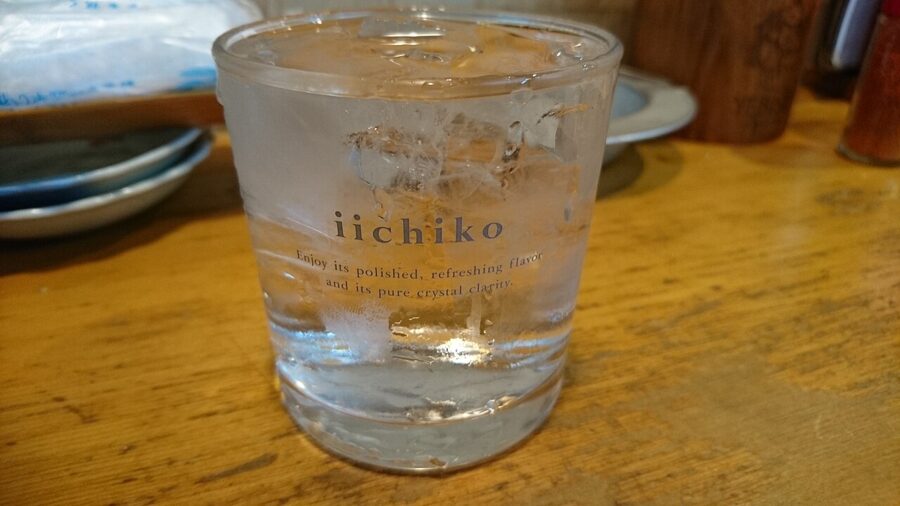
Kawakita’s own line on the medium, set out around his 2014 retrospective, is that a poster is weak by modern standards but that design can turn it into a strong symbol. The show paired the subway work with his other long job: since 1983 he has art-directed iichiko, the barley shochu from Sanwa Shurui in Oita, which grew from a small regional brand into one of Japan’s biggest shochu labels.

The parody years, 1976 to 1982
The posters people collect and pin online come from 1976 to 1982. In 1983 the Eidan gathered them into a book, Manner Poster 100 (マナーポスター100), and almost every gallery of them since traces back to it. Month by month, they show a designer working from a short list of complaints and an endless list of references.
Hollywood, Rodin and the kabuki stage
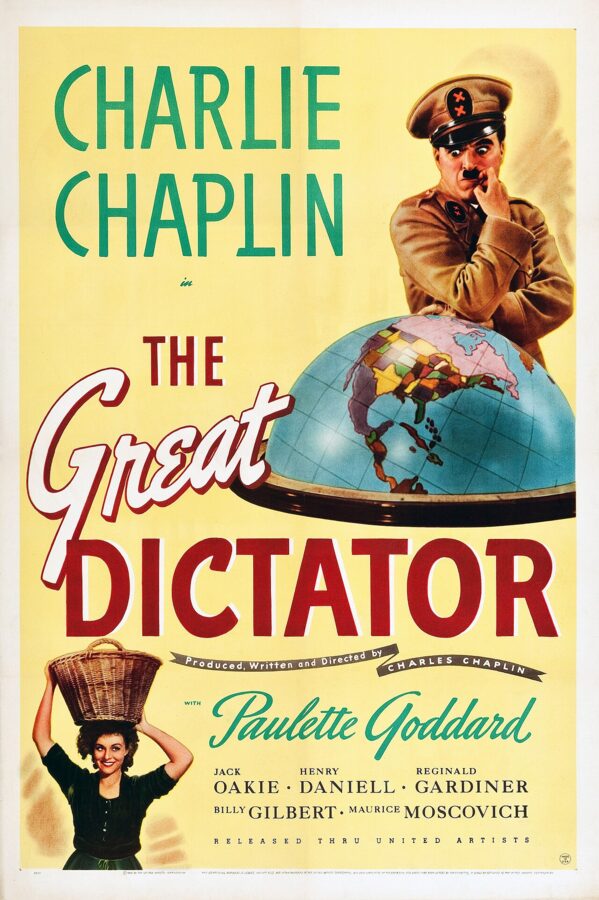
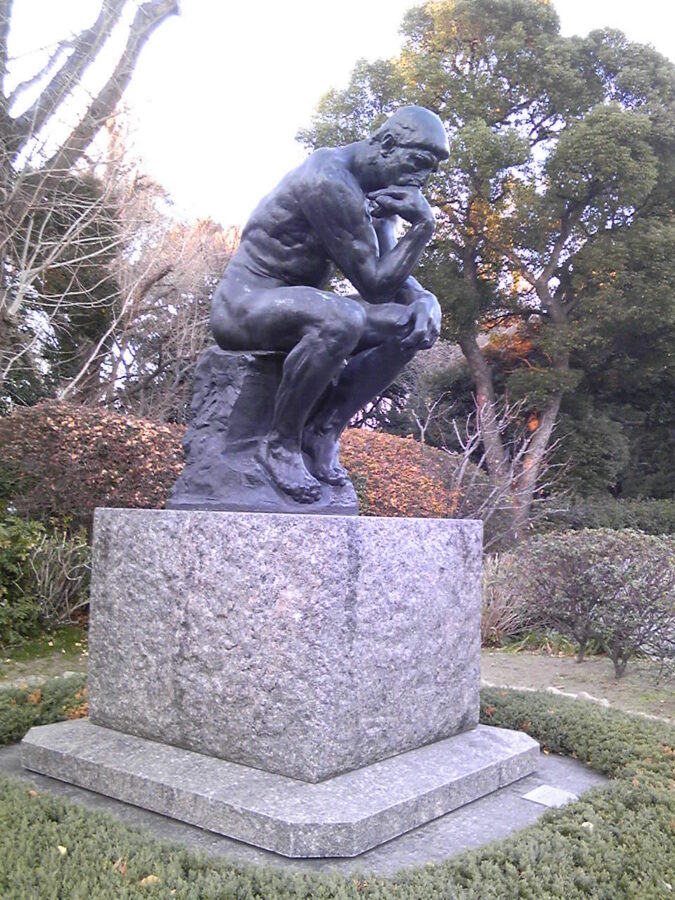
Western film supplied the first big hits. Monroe and Chaplin both arrived in mid-1976, and Tanaka Daisuke, a professor at Japan Women’s University who has written a history of Japanese train manners, argues that foreign film characters were chosen as a cushion. A railway telling passengers how to behave risked the obvious reply that it should fix its own service first, and a borrowed star softened the request.
Domestic stars followed. Tora-san, the wandering hero of the Otoko wa Tsurai yo films, appeared over the winter of 1976 into 1977 with a message about downtown warmth. The rakugo storyteller Hayashiya Sanpei, the kabuki actor Bando Tamasaburo and the sumo champion Kitanoumi followed in 1977.
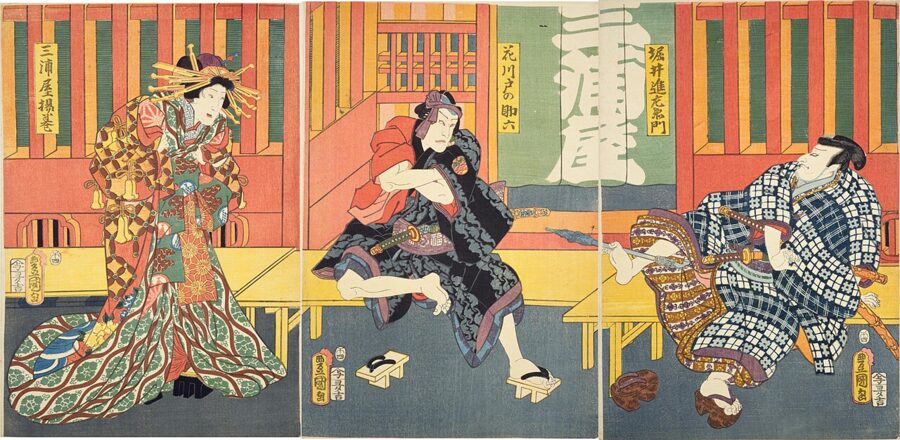
The umbrella problem got a kabuki answer in June 1977. Agemaki, the courtesan of the play Sukeroku, was said to be so beautiful that men forgot everything around her, and the poster used that to remind riders what they were forgetting on the rack. By October 1981 the umbrellas had reached the Last Supper, with the caption kasane-gasane no kami-danomi, “praying to God again and again”, where kasa is the umbrella.
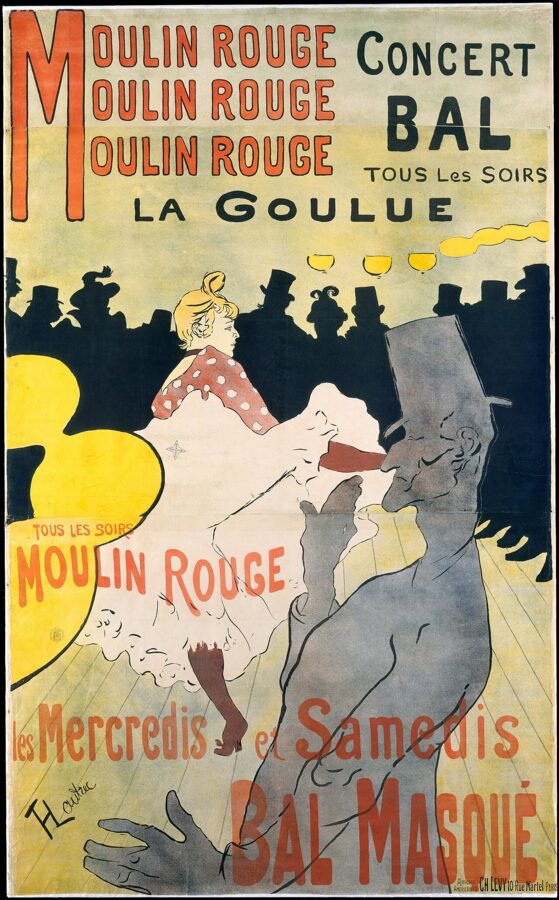
Paintings worked as well as films. A January 1979 poster borrowed the look of Toulouse-Lautrec’s Moulin Rouge and titled itself Homu de Concon, “coughing on the platform”, where the cough sounds like the cancan. It asked smokers to respect the platform’s non-smoking hours, which then covered only 7:00 to 9:30 in the morning and 5:00 to 7:00 in the evening.
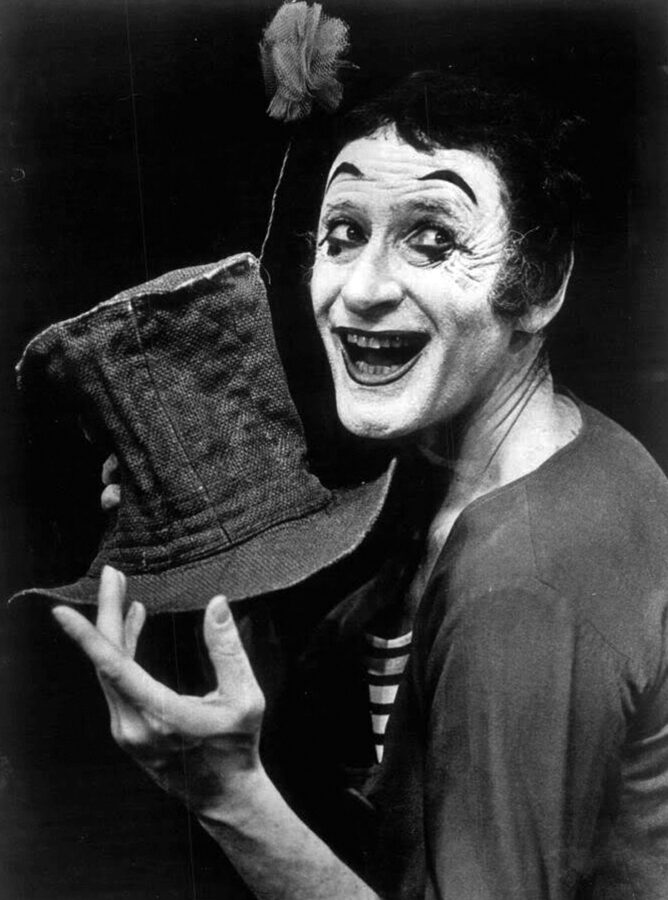
A Napoleon poster in September 1978 reminded riders to show their commuter pass clearly to the gate attendant, a request that dates it: ticket gates were still staffed by people with clippers. The next month, the French mime Marcel Marceau gestured silently toward the priority seats. I think the Marceau poster is the cleverest of the whole run, because it makes the point that nobody should have to ask for that seat out loud.
Superman, Doraemon and the arcade
Comics and cartoons supplied the rest of the cast. Astro Boy, in February 1976, hands a forgotten hat and umbrella back to his own creator, Tezuka Osamu, with the line “Humans are so forgetful.” Superman appeared twice in September 1976, once stuck to the platform by discarded chewing gum and once flying through the gate with his pass held up, and once more in March 1977.
Doraemon became “Wasure-emon” in June 1980, from wasureru, to forget, with a note suggesting you write your name, address and company on your belongings. In December 1981 he came back dressed as Santa under the line Yume wa ouchi de, “dream at home”, aimed at year-end drinkers asleep across the seats. Remember the idea; the subway came back to it 27 years later.
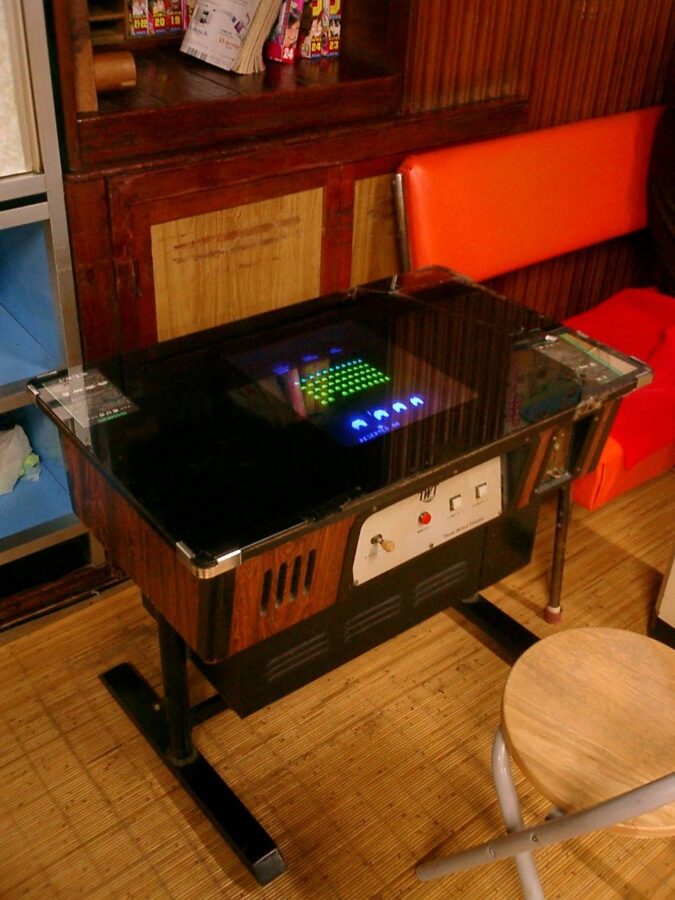

The run also caught Japan’s pop culture as it happened. “Space Invader” went up in March 1979, months after the arcade game took over the country’s coffee shops. In July 1979 Uesugi Teppei, from the manga Ore wa Teppei, offered his seat, and in October 1980 the monkey king of Journey to the West refused a cigarette on the platform.
The puns are the part a translation loses. An April 1979 poster against rushing onto trains wrote kakekomi kinji, mixing kakekomi kinshi, “no rushing aboard”, with kakekomi-dera, the Kamakura temple where wives once fled their husbands. Isami-ashi, in May 1979, is the sumo term for losing by stepping out of the ring in your own eagerness, and the poster put two wrestlers at the platform edge to keep you behind the white line.

The last famous posters of the run came in 1982. The “three annoying train monsters” were Nesshii, who sleeps on his neighbor, Asshii, who crosses his legs into the aisle, and Shinbunshii, who opens a full broadsheet in a packed car. Late that year John Wayne appeared on a mock cover of Time magazine as “Non-Smoking Time”. Kawakita’s decade with the series was nearly over.

Mirrors, animals and a quieter voice
The Eidan kept making a poster a month after the parody era, but the approach changed. Through the 1980s the posters stopped borrowing outside models and simply asked for order. A 1987 poster used mirror paper so that the rider saw their own face under the line “Mirror, mirror, who has good manners?”
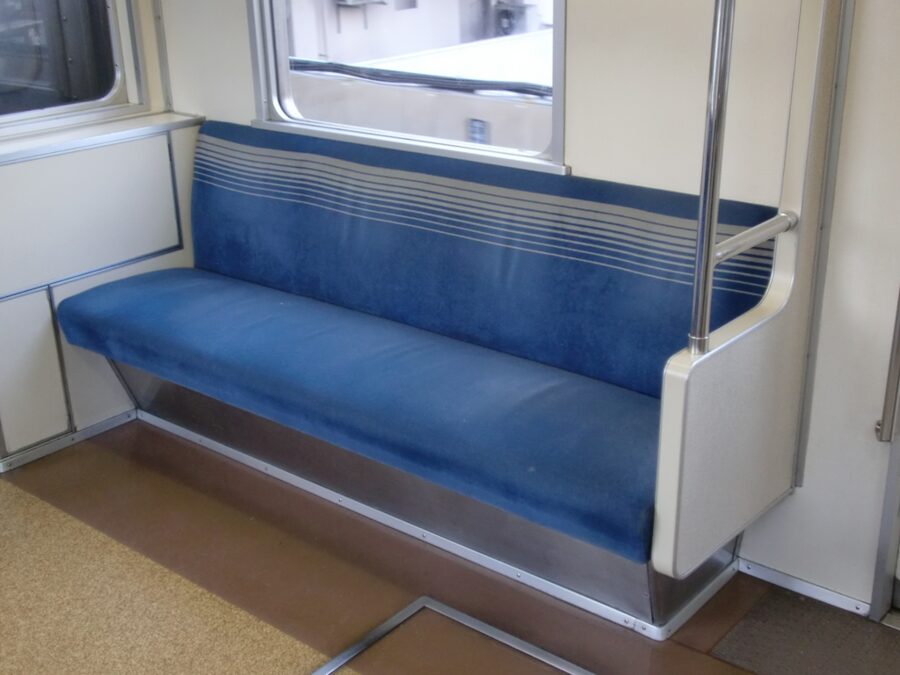
By the early 1990s the Eidan’s own second collection, Manner Poster 200 (1991), admitted that the posters had been criticized for leaning too hard on odd images and copy. The answer was a Nature Series built on animals and landscapes, with no celebrity and no speaker, which left the rider to work out the message. Nature posters were still in rotation as late as 2011.
By 2009, orders had largely disappeared from Japanese manner posters in favor of soft, illustrated, humorous requests. On paper the nature years are the least memorable stretch of the series, and I suspect that was partly the point: a request nobody notices offends nobody.
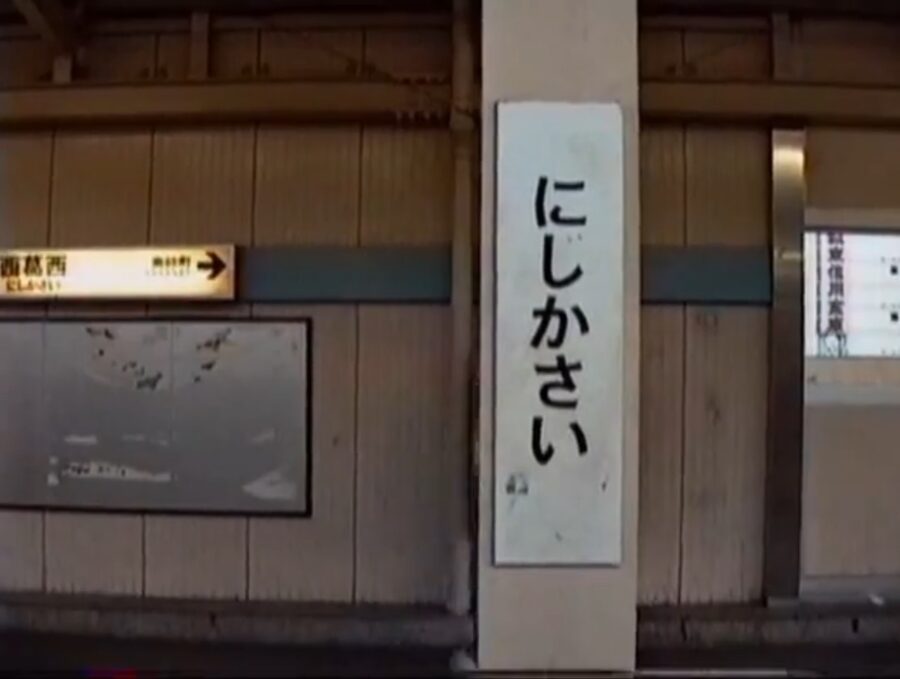

Toei, Tokyo’s other subway operator, runs its own posters.
Please do it at home
The series became famous again, and famous abroad, in April 2008. Tokyo Metro and the foundation announced a year of posters built on the phrase “Do it at ___”, and the first, about how people sit, read Ie de yaro (家でやろう): “Please do it at home.” The posters carried English lines as well as Japanese, which helped them travel online.
The illustrator and planner was Yorifuji Bunpei, born in Nagano in 1973, who founded his studio Bunpei Ginza in 2000 and had won a Tokyo ADC award in 2005 for his Japan Tobacco smoking-manners ads. His drawings are flat, colorful and slightly deadpan. A hiker’s enormous pack squashes the passenger behind him, a rider plugs his ears against someone’s leaking headphones, a commuter dives through closing doors.
The idea was that a rider would recognize the behavior as something you would only do in your own living room. It was popular enough that the 2009 series kept the “Please do it at home” line and added new characters, starting in April with the commuter who spreads his newspaper wide. The Eidan’s Doraemon had said the same thing in 1981; Yorifuji said it in a style that suited the age of the camera phone.
In April 2010 the line flipped to Mata yaro (またやろう), “Please do it again.” The posters now showed good manners worth repeating, beginning with giving your seat to someone who needs it. I prefer the scolding year, but the switch is the more Japanese move: once the problem has been named, praise the fix.
One theme a month: the posters since 2014
Since then the series has changed illustrators every year or two. A campaign starts each April with the fiscal year and a new theme goes up each month. Here is the run.
- 2014 and 2015: illustrations by studio crocodile, the animation and commercial studio. The 2015 series was a “Manner Theater” with a watching character, Miteru-chan, who voices what the people around you are thinking; themes included loud conversations, walking while distracted, headphone leaks and priority seats.
- 2018: “GOOD MANNERS, GOOD TOKYO”, drawn by John Shelley, a British illustrator who moved to Japan in 1987. The posters looked at subway manners through the eyes of visitors from abroad.
- 2019: “GOOD MANNERS, PLEASE!”, by JUN OSON, born in Aichi in 1979. Each poster made its point with a single English word, such as BLOCK, so that it worked at a glance in any language.
- 2022: Yasashii manaa de iko!, a pun on yasashii, which means both kind and easy.
- 2024: “Good manners, by everyone, for everyone”, illustrated by Asano Peko.
- 2025: “Good manners anytime, by anyone”, drawn by Obata Saki as two-panel scenes that zoom in on the detail that matters.
- 2026: “Come on, good manners again today!”, illustrated by Miura Taro, the picture-book artist whose Kuttsuita has sold more than a million copies.
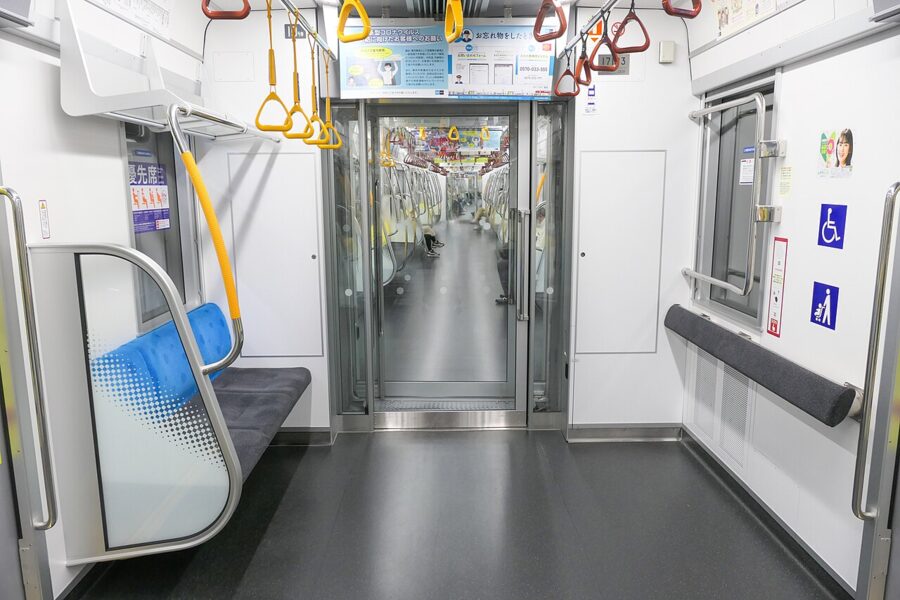

The 2026 series is meant to be understood by anyone at a glance. Miura’s April 2026 poster, like the April posters of 2024 and 2025, is about rushing the closing doors, and the year continues with bags, phones on the move and the rest of the familiar list. Tokyo Metro describes the drawings as bright and cheerful, a long way from Superman stuck in chewing gum.

The zodiac posters
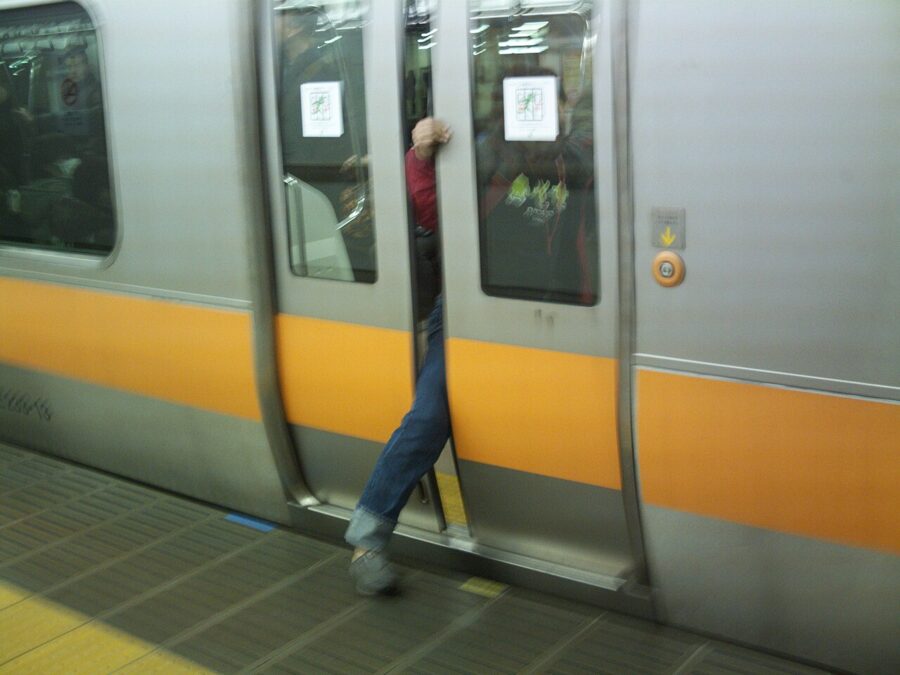
The posters with a quiet online following are a separate set. Since 2019, the year of the boar, Tokyo Metro has hung an anti-rushing poster in its stations built on each year’s animal of the Chinese zodiac. Their official name is just “rush-boarding prevention poster”, and the 2026 horse is the eighth.
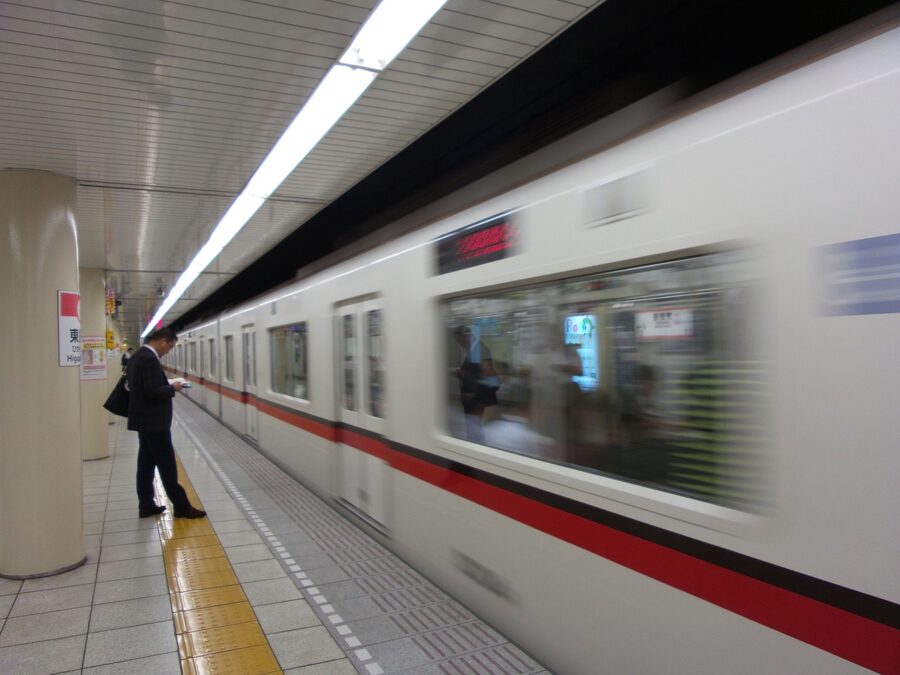
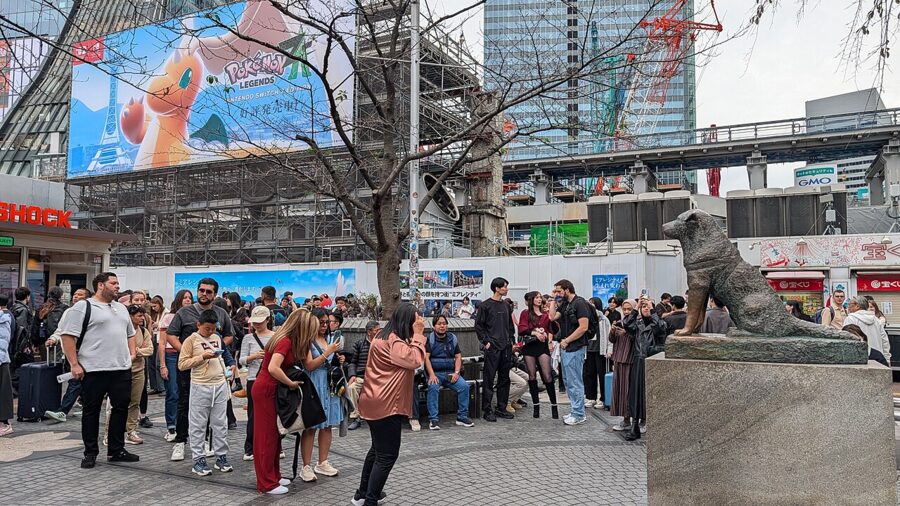
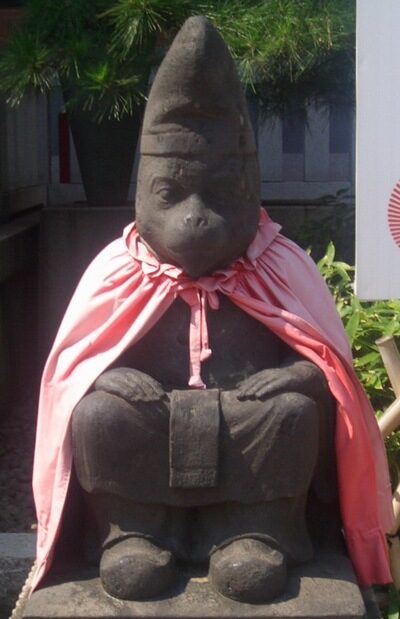
They built a following quietly on social media, and in January and February 2026 Tokyo Metro ran a digital stamp rally around them. It sent players to twelve zodiac spots along its lines, from the Hachiko statue at Shibuya for the dog to the monkey statues of Hie Shrine near Akasaka and Tameike-Sanno. The comedian Iguchi Hiroyuki of Westland, who had noticed the posters early, gave an interview for it.


Where to see them
In the stations, every month
The simplest place to see a manner poster is any Tokyo Metro station or car; the posters change each month. The Eidan-era ones were printed for a month and taken down, so the old ones survive mainly in books. Around New Year, look for that year’s zodiac animal in the stations.
The Subway Museum in Kasai
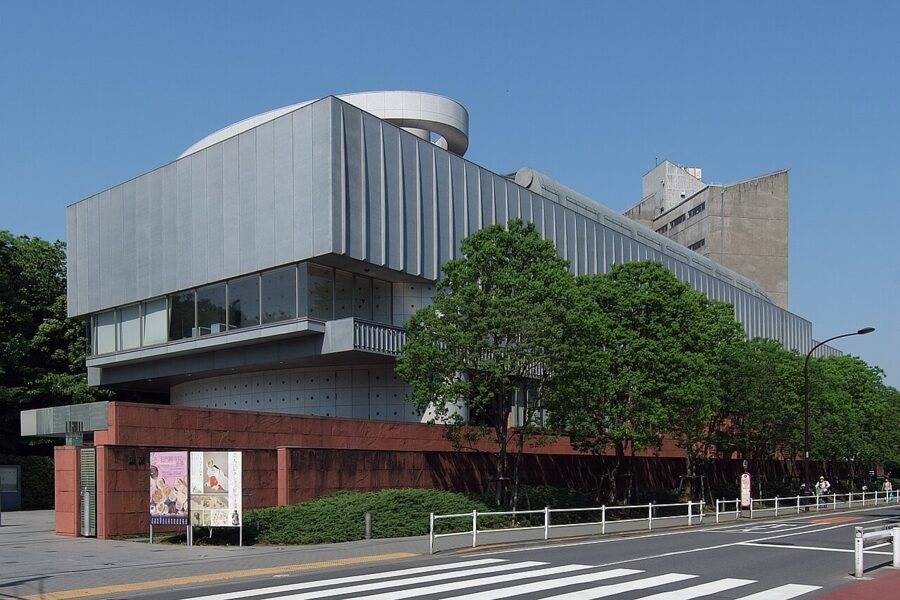
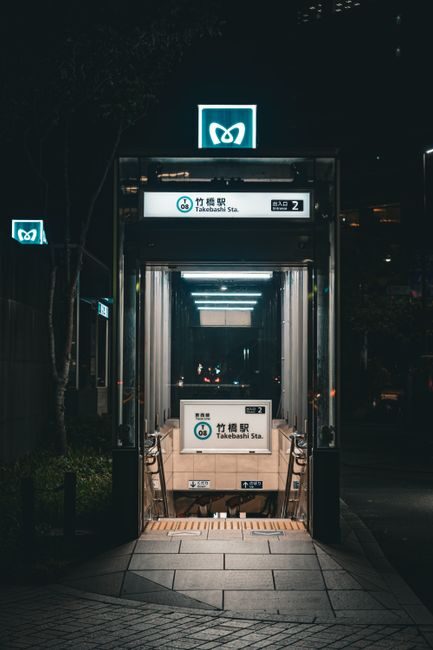
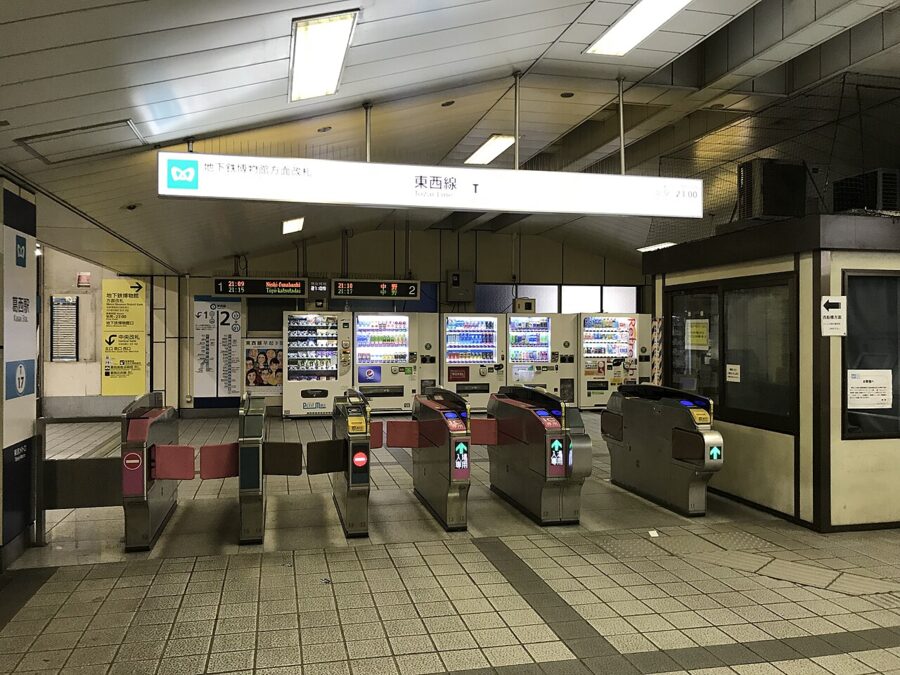
The Subway Museum (地下鉄博物館, Chikatetsu Hakubutsukan, “Chikahaku” for short) sits under the elevated tracks of Kasai Station on the Tozai Line. It opened in July 1986, marked its 40th anniversary with a summer event in 2026, and is run by the Metro Cultural Foundation, the same body that makes the manner posters.

The galleries cover subway history, construction, safety, passenger services, how trains work and subways around the world, plus driving simulators. Manner posters are not among the permanent galleries, so go for the trains and the context, and check its special exhibitions before making the trip for posters alone.
| Subway Museum | Details |
|---|---|
| Hours | 10:00 to 17:00, last entry 16:30 (as of October 2026) |
| Closed | Mondays (the next day when Monday is a public holiday), and December 30 to January 3 |
| Admission | Adults 220 yen (about $1.50); children from age 4 through junior high school 100 yen (about $0.70) (as of February 2026) |
| Discount | Half price for holders of a disability certificate and one companion |
| Address | 6-3-1 Higashi-Kasai, Edogawa-ku, under the Tozai Line tracks at Kasai Station (T17) |
| Getting there | Tozai Line to Kasai; rapid trains do not stop there, so take a local |
You buy a ticket at the counter, where an IC card such as PASMO is accepted as payment, then walk through a real automatic ticket gate to get in. You cannot tap a card at the gate itself. Food is not allowed inside, though drinks are fine.
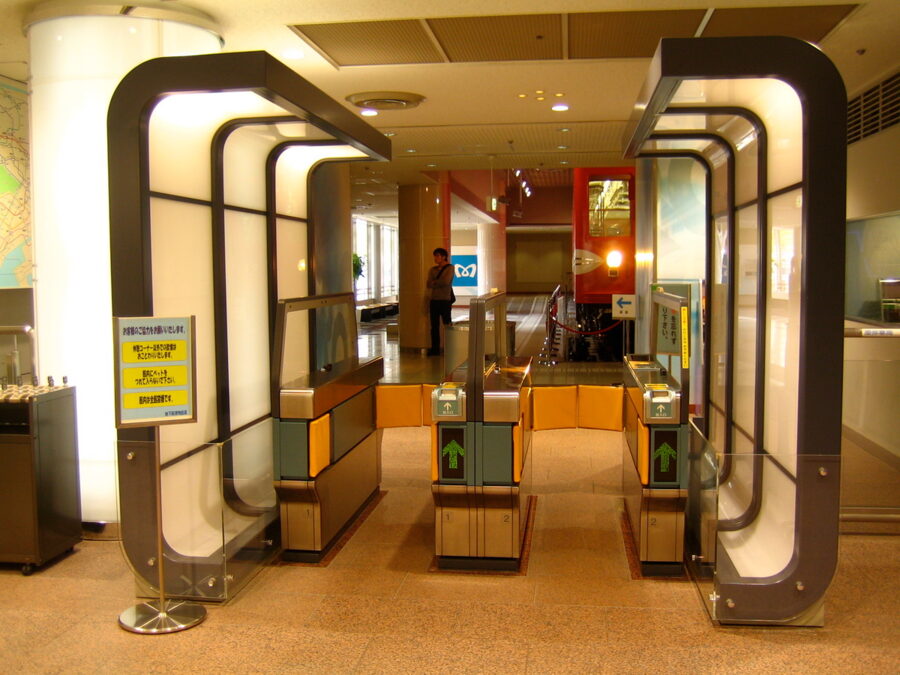

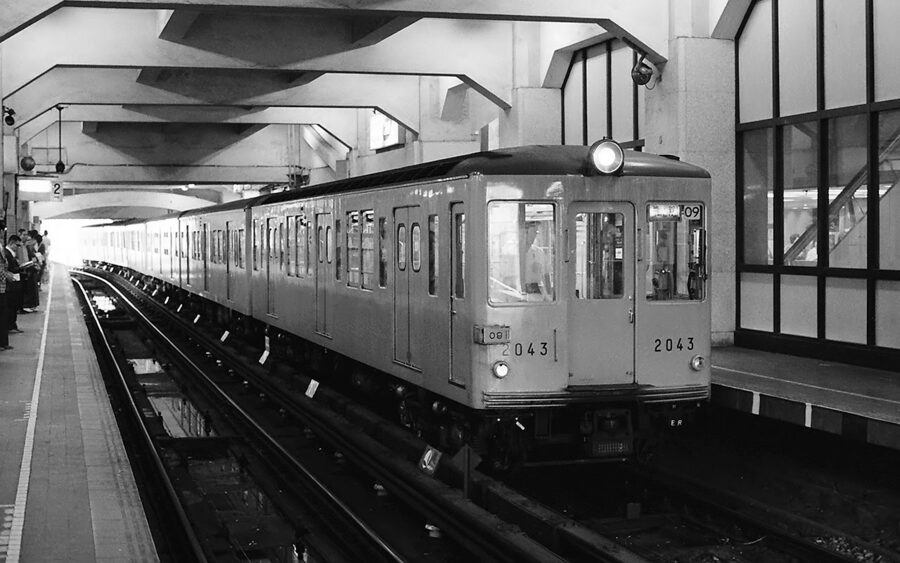
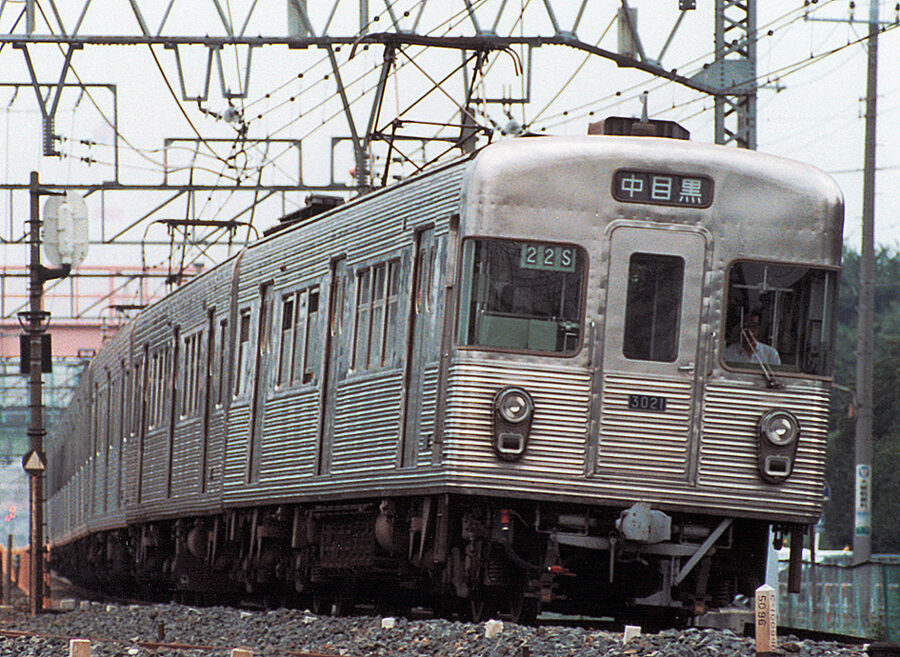
The stars of the collection are two red and yellow trains. Car 1001 of the Tokyo Underground Railway opened Japan’s first subway between Ueno and Asakusa in 1927 and is a nationally designated Important Cultural Property. Next to it stands car 301 of the Marunouchi Line, the red Eidan car with a white wave on its side, from the generation of trains the first manner posters were hung in.
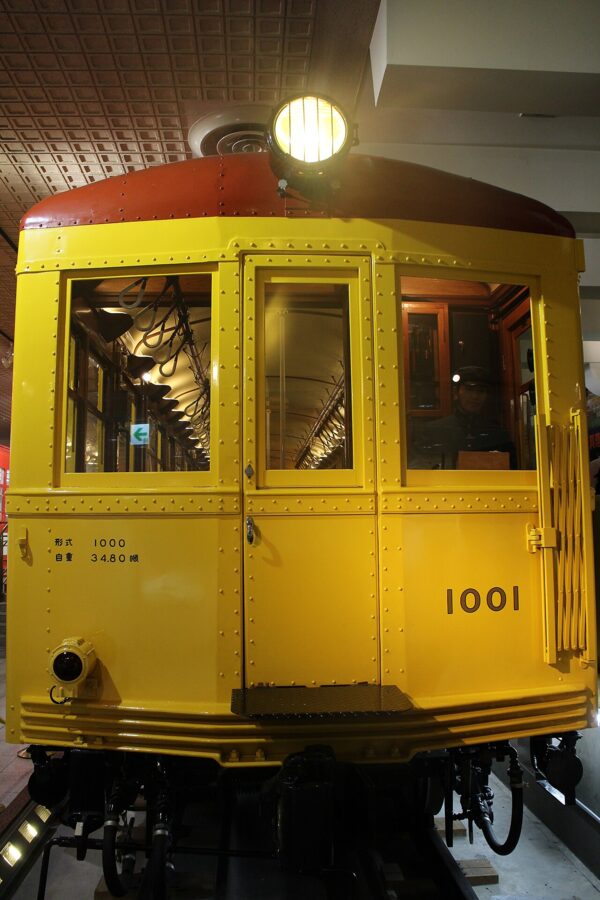

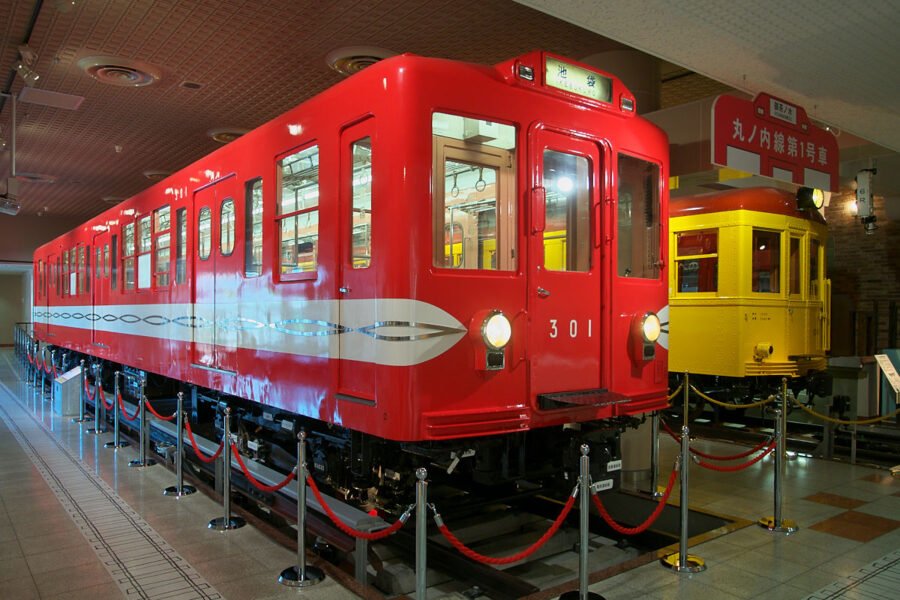

Until November 29, 2026 the museum is also hosting a Tokyo Metro tie-up with SEGA’s Sonic the Hedgehog.
Collecting: books, not reprints
Manner posters sit in an odd corner of Japanese art collecting. The originals were public notices printed to be thrown away, and the ones that survived from the 1970s mostly survived because riders stole them. I know of no official reprint of the Eidan posters, and I would treat any “original 1976 manner poster” offered online with suspicion unless the seller can show where it came from.
The real collectible is the book. Manner Poster 100, published by the Eidan in 1983, reproduces the 1976 to 1982 run that every gallery of these posters draws on; Manner Poster 200 followed in 1991. Both are long out of print, so look for them secondhand and check the colophon for the Teito Rapid Transit Authority (帝都高速度交通営団) as publisher.
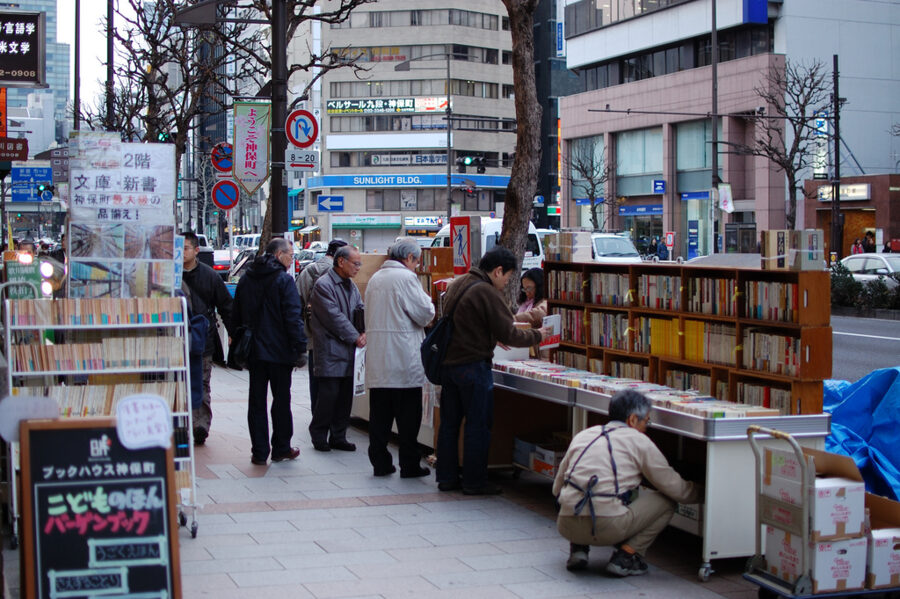

Two newer books tell the story: Kawakita’s own Ganso Nihon no Manaa Posutaa (元祖!日本のマナーポスター), from Graphic-sha in 2008, covers the series from the designer’s side. Tanaka Daisuke’s Densha de Okorareta! (電車で怒られた!), a Kobunsha Shinsho paperback from June 2024, places the posters inside a century of Japanese railway manners.
For the modern posters, the nearest thing to merchandise has been prizes. The 2026 zodiac rally gave away 100 keychains of the horse poster and eight posters signed by Iguchi Hiroyuki. The Eidan’s borrowing of manga heroes looks, in hindsight, like a public-service version of what Takashi Murakami later took into galleries, but a subway poster was never meant to be owned.
For three years running, the April poster has been about rushing the doors. Cinderella fled the ball for the Eidan in April 1977, and in April 2026 Miura Taro’s riders were still being asked to wait for the next train. Stand back from the doors at Kasai, let the local go, and read the poster before you head down to the museum.