
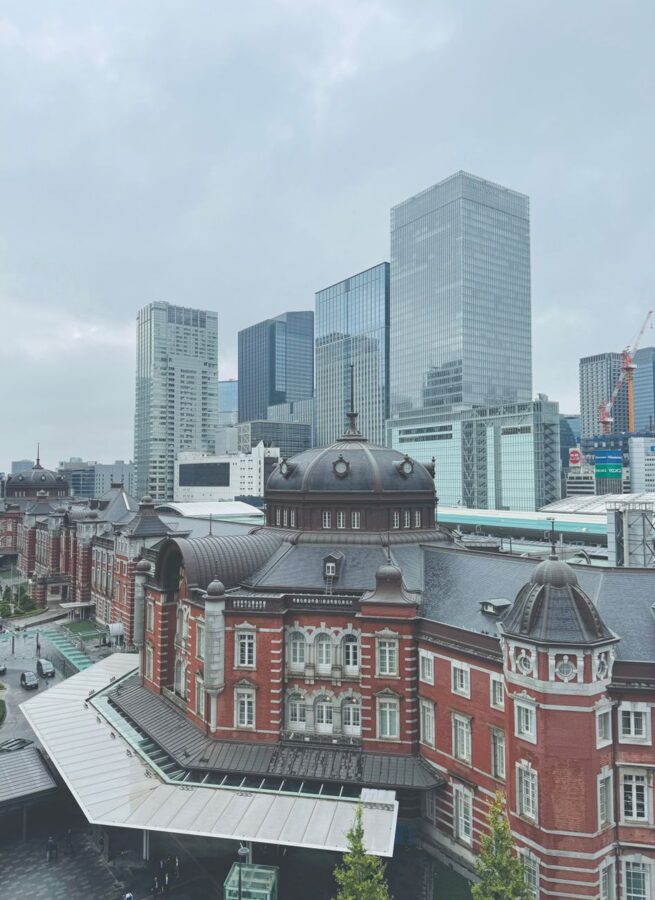
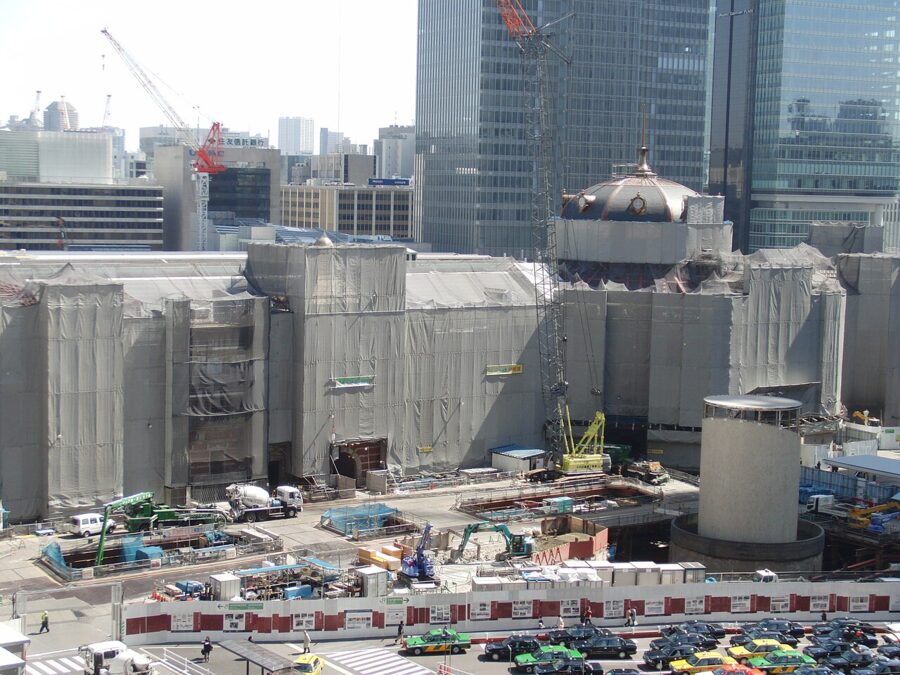
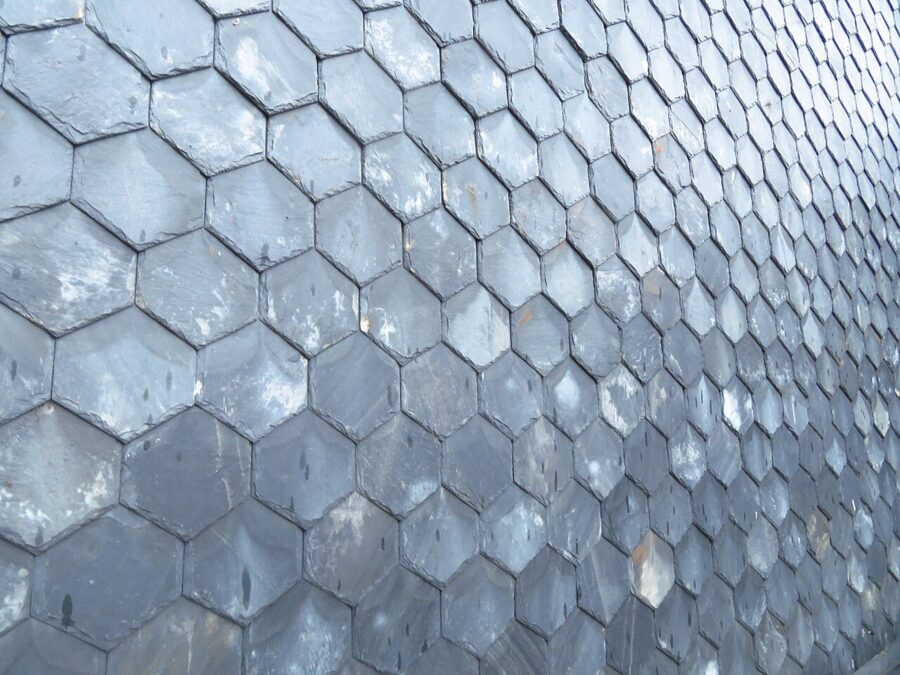
Some of the slate on the roof of Tokyo Station spent the spring of 2011 buried in the wreck of a tile works in Ishinomaki. The tsunami flattened the Yotsukura tile plant on March 11, and a roofer named Shinpei Sasaki went back into the rubble with the staff and volunteers, pulled out about 40,000 slates and washed the mud off with water pumped from a well. A truck took them to Tokyo in late May. When the restored Marunouchi building reopened on October 1, 2012, slate from the Miyagi coast was on its roof, as Miyagi slate had been when the station opened in 1914.
That is the shape of most stories on this coast. The thing survives, someone digs it out, and the work carries on somewhere else for a while before it comes home. The region the Japanese call Tohoku, and in particular its three Pacific prefectures of Iwate, Miyagi and Fukushima, makes cast iron, lacquer, turned wooden dolls, inkstones, pottery, soy sauce and sake, and a good share of the people who make them lost their workshops in 2011.

Most of those makers are working again, some in new towns and some back where they started, and nearly all of them sell direct. Hours and prices below are as the makers and venues listed them in November 2026.

In this article
What Iwate, Miyagi and Fukushima make
Long winters with little field work, local clay, timber and iron, and feudal lords who wanted goods to sell: that is the usual answer to why the north has so many crafts, and the makers’ own histories bear it out. Obori pottery in Fukushima spread as a side trade for farm households. Kokeshi dolls began as souvenirs for children at hot-spring towns in the late Edo period. Morioka’s ironwork grew up under the Nambu lords, who brought kettle makers north and kept them busy.
Iwate: iron and lacquer
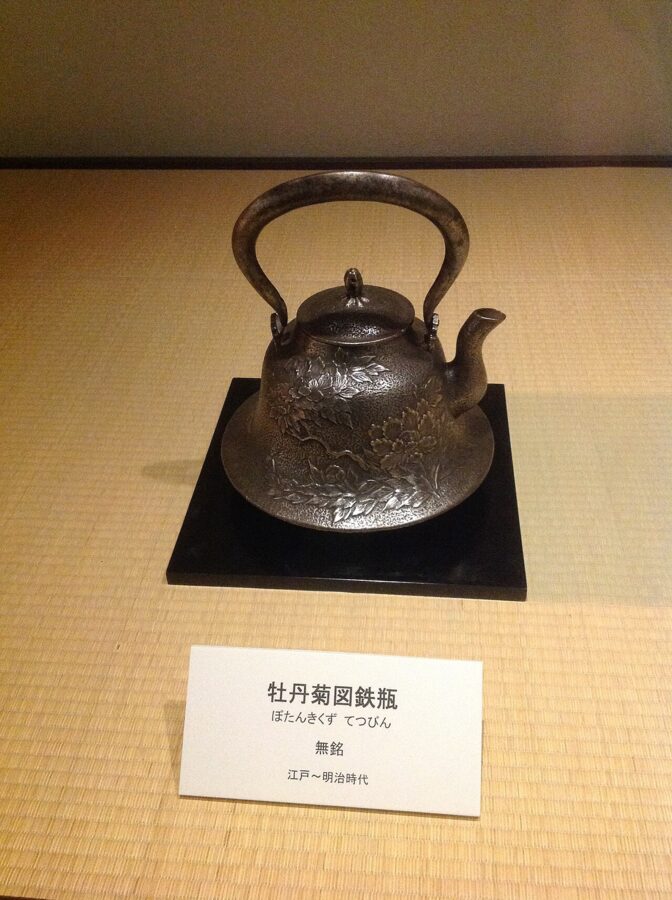
Nambu tekki (南部鉄器), Nambu ironware, has two homes. In Morioka the story starts with the domain lords inviting kettle makers from Kyoto in the Edo period to cast tea-ceremony kettles; the smaller tetsubin (鉄瓶), a kettle with a spout and a bail handle for everyday water, came out of that. The other center is Mizusawa, now part of Oshu, with its own foundry tradition. The government listed Nambu tekki as a designated traditional craft in 1975, in the first batch.
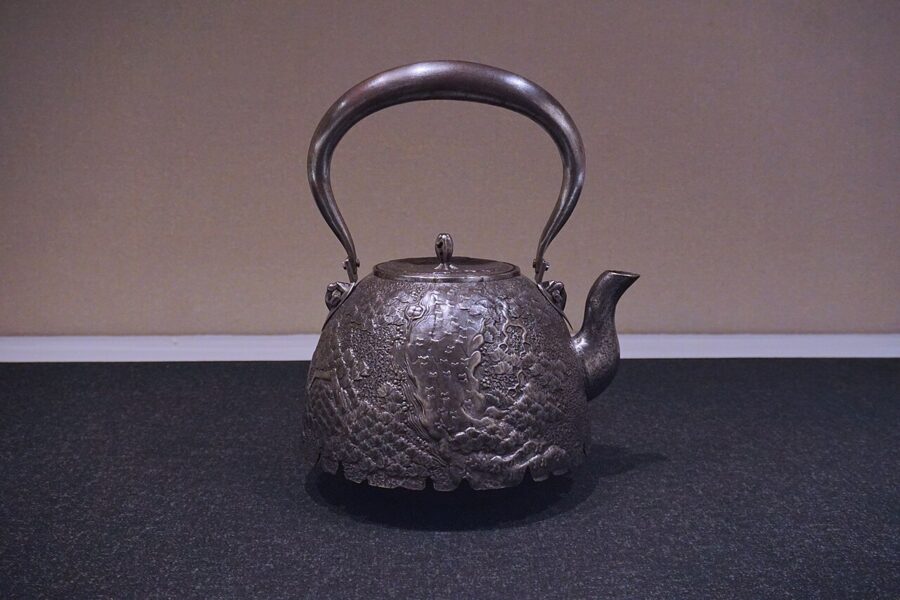

Iwachu, founded in Morioka in 1902, says a tetsubin goes through about 65 steps, almost all by hand, and that a caster needs at least 15 years to become fully competent. It is also big: about a million pieces a year, sold in Japan and abroad. In February 2026 one of its casters, Yoshida Shinya, was certified as a traditional craftsman and took the workshop name Kiyosue, the fifth to hold it. In Mizusawa, Oigen has been casting since 1852 and leans toward cookware; it developed an unpainted bare-iron finish in 2003 that I like more than the lacquered black of most kettles, because it shows the casting.
Lacquer is the other Iwate material, and here the prefecture has something no one else does. Iwate produced 1,421 kilograms of raw lacquer in 2024, about 80 percent of all the lacquer tapped in Japan, and all of it came from the Joboji area of Ninohe. That figure sounds large until you learn that domestic lacquer is under six percent of what Japan uses; the rest is imported. Tekiseisha, the lacquer workshop in Joboji, coats its bowls in nothing else, and Hidehira-nuri, from the Hiraizumi area, has been a designated craft since 1985.
Miyagi: kokeshi, inkstones and chests
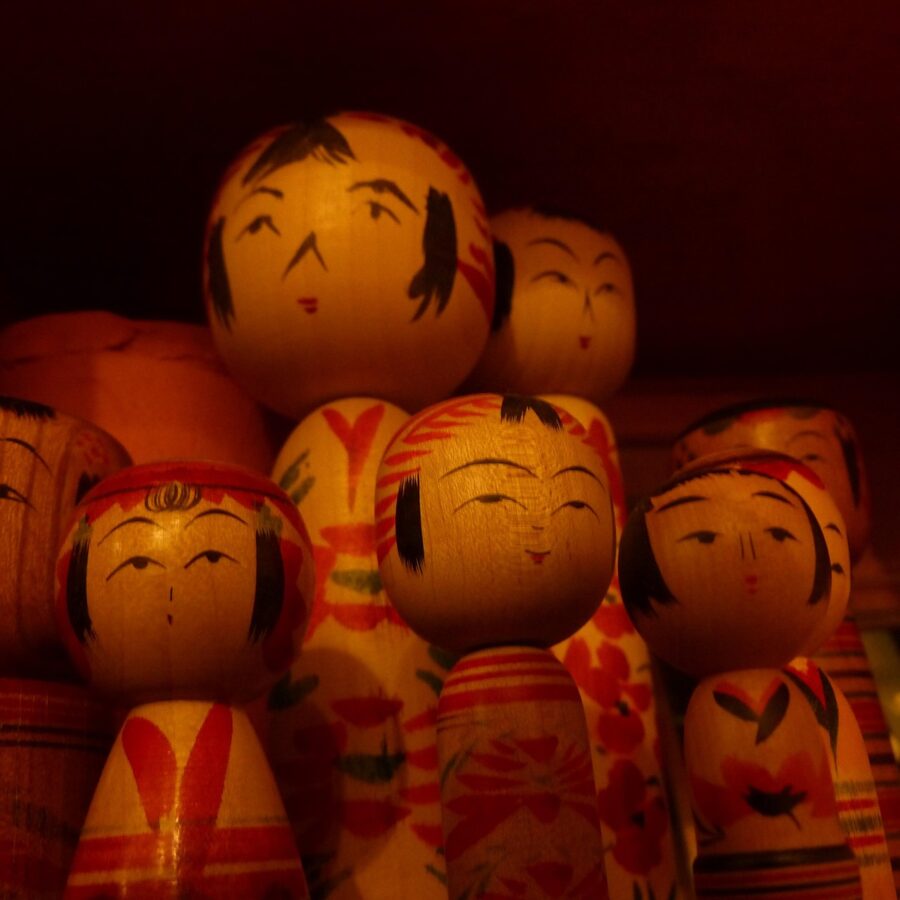
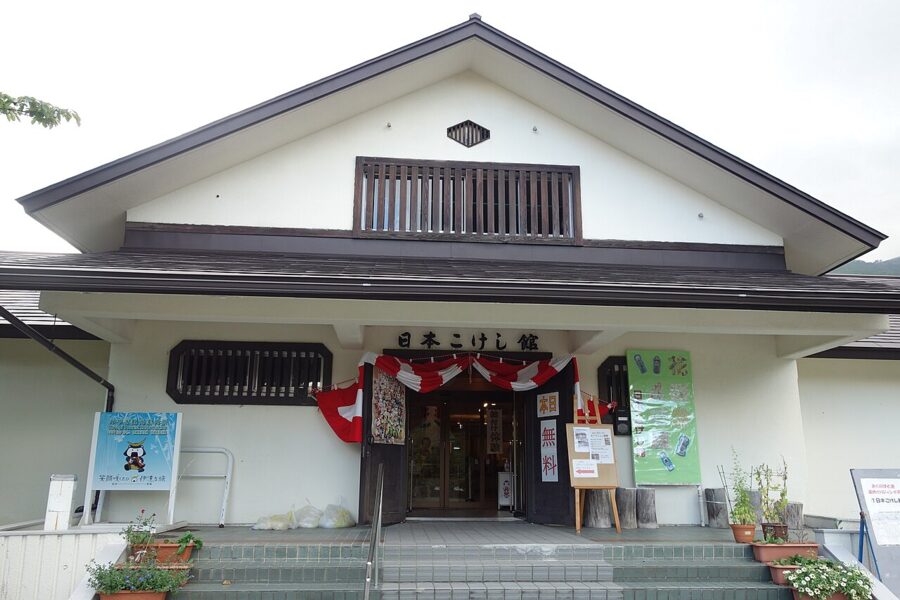
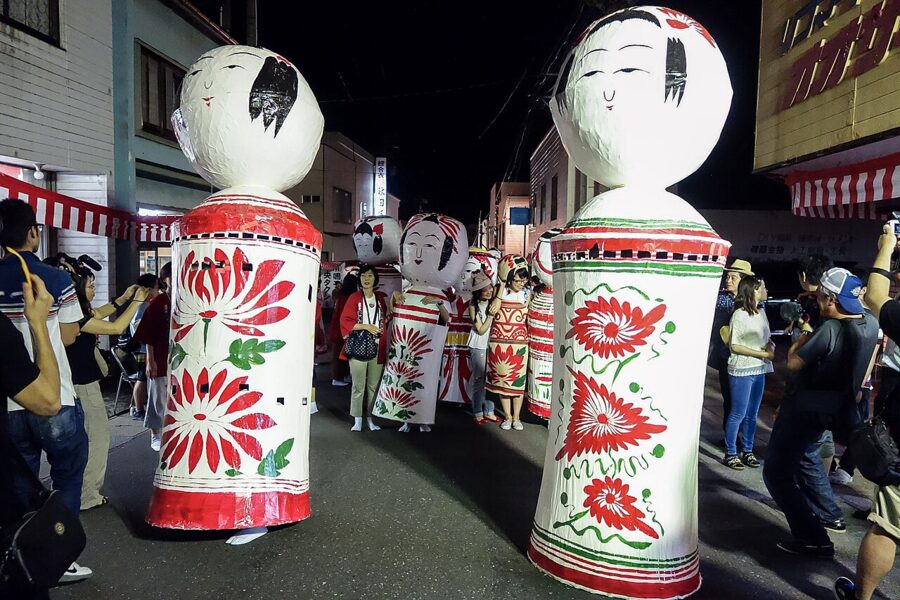
Miyagi’s traditional kokeshi (こけし), the limbless turned wooden doll, became a designated traditional craft on June 22, 1981. So the short answer to whether kokeshi count as a traditional craft is yes, officially. The prefecture recognises five lineages: Naruko, Togatta, Yajiro, Sakunami and Hijiori, each with its own head shape, body profile and painted pattern.
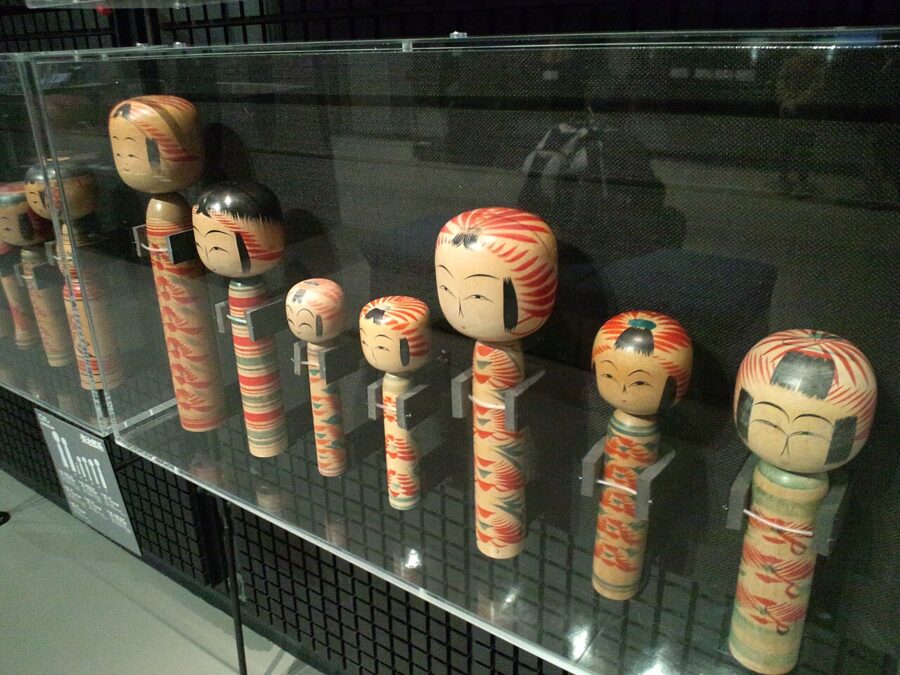

The process is quick to describe and slow to master. The maker cuts the wood (dogwood or one of two maples), rough-turns it on the lathe, finish-turns it, paints the face and pattern, and fits the head to the body. Every lineage does those five steps; the differences are in the proportions and the brushwork, which is why collectors buy by town and by maker.
The coast has its own designated crafts. Ogatsu suzuri (硯), inkstones cut from the black slate of Ogatsu in Ishinomaki, were designated in 1985; the local cooperative traces the stone’s use for inkstones to about 1396. Naruko lacquer (1991) and Sendai tansu chests (2015) complete Miyagi’s list.
Fukushima: lacquer, papier-mache and a running horse
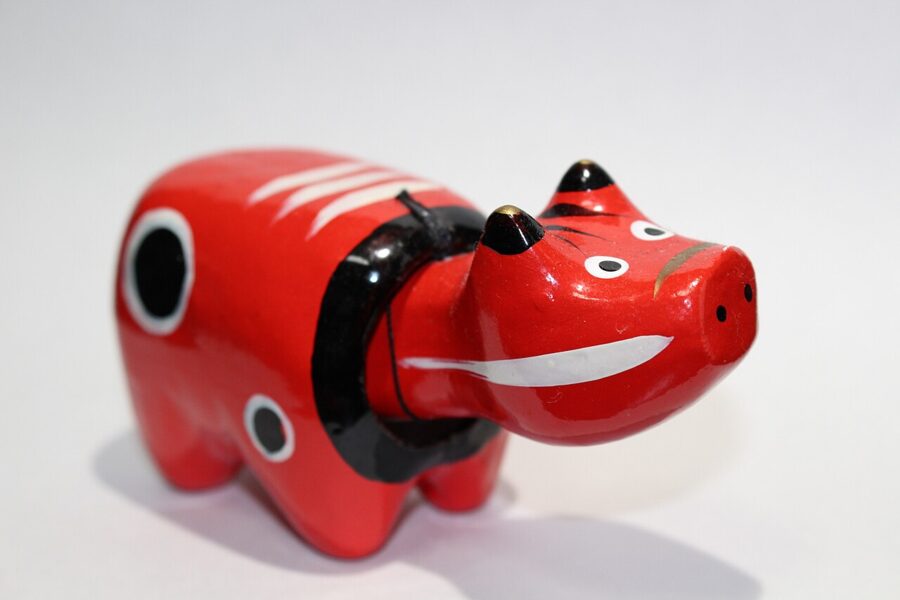
Fukushima’s best-known craft comes from the inland Aizu basin, far from the sea. Aizu-nuri lacquerware is made in and around Aizuwakamatsu, the castle town, and the old shopping streets there still have lacquer dealers in merchant buildings. The papier-mache red cow called akabeko (赤べこ) is also from Aizu, and nods its head on a counterweight.


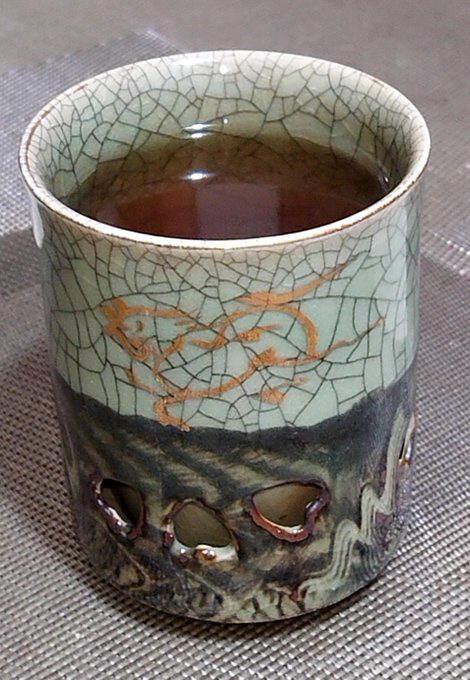
On the coast, in Namie, there is Obori Soma-yaki, whose story runs straight through 2011. You know it by three things: a blue crackle glaze called ao-hibi (青ひび), a double-walled cup that keeps tea hot and fingers cool, and a galloping horse painted on the side.
March 11, 2011
The magnitude 9.0 earthquake struck at 2:46 p.m. off the Pacific coast, and the tsunami that followed reached the coastal towns of Iwate, Miyagi and Fukushima within the hour. Morioka and Aizu are far inland. The fishing towns were not.
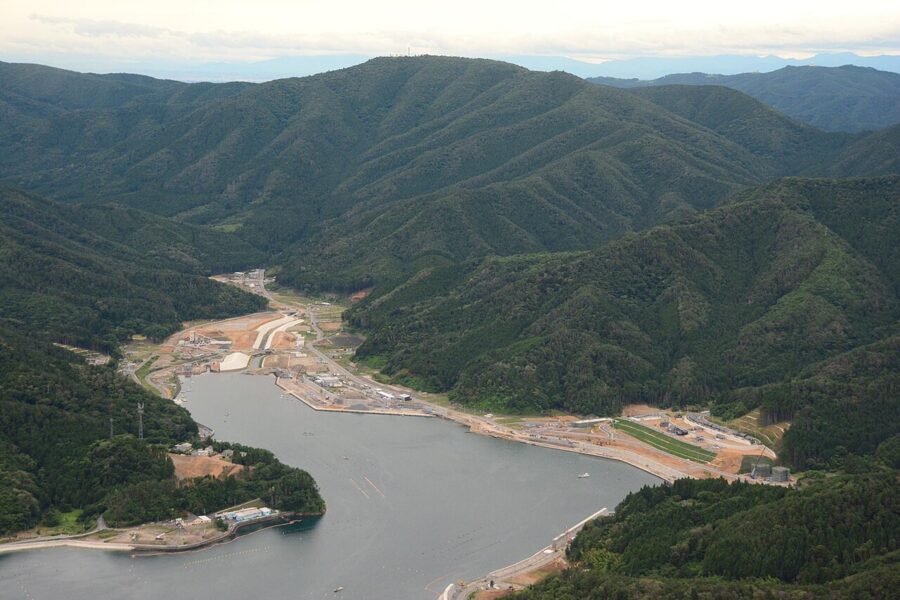

For the makers, the losses came in three kinds. Some lost buildings and stock but kept their land and their people, like the soy brewers of Rikuzentakata. Some lost the building and their whole town, like the sake brewery at Ukedo in Namie, which stood a short walk from the beach. And in Fukushima, the accident at the Daiichi nuclear plant emptied whole towns for years, including the pottery village of Obori, which sits inland, well away from the water.
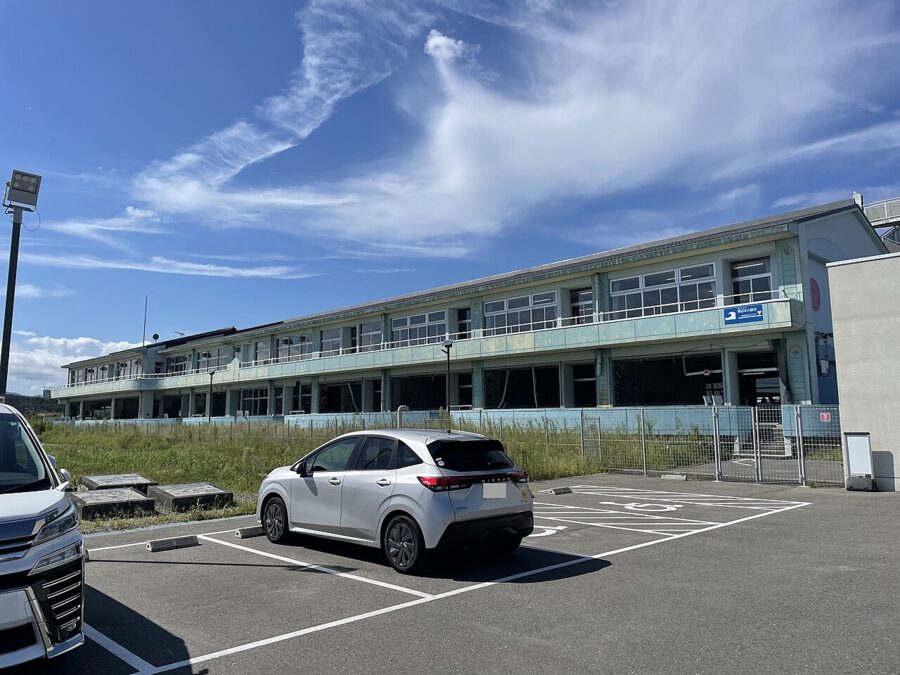
Artists answered as well: Takashi Murakami painted his 100-meter The 500 Arhats in 2012 in response to the disaster. The makers on the coast had a more practical question: how to keep selling something while they had nowhere to make it.
How the makers rebuilt
Ogatsu: 6,500 volunteers and a temporary workshop
The Ogatsu inkstone cooperative lost its stock of raw stone, its finished inkstones and its carved pieces to the water. More than 6,500 volunteers came over the following months to dig the material and finished pieces out of the mud. By October 2011 the cooperative had a temporary factory running, and on November 19 it opened a temporary shop and office in a prefab market on the site of the old town office.
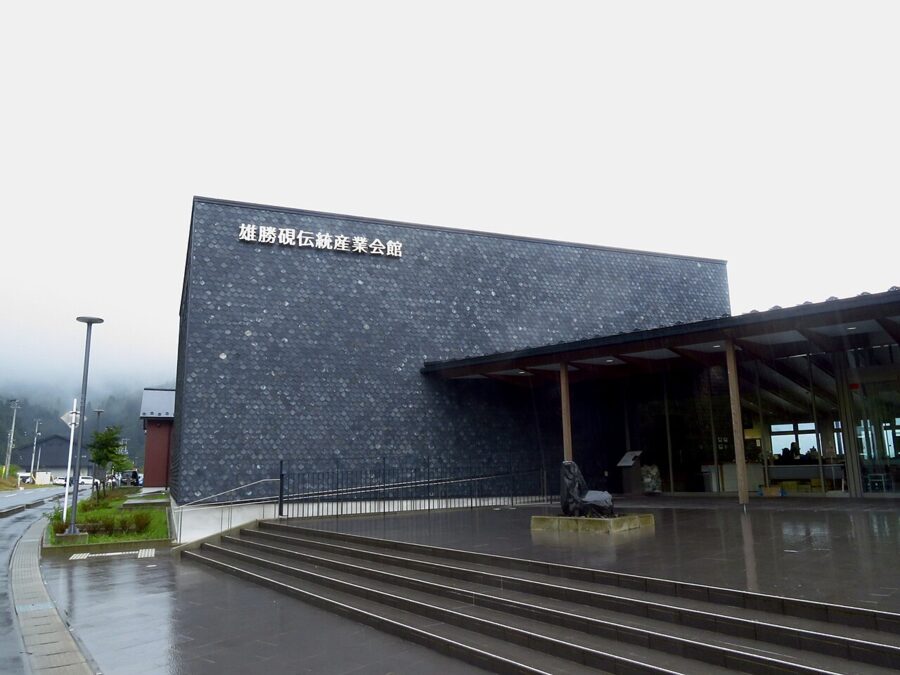

Quarrying resumed on April 25, 2012, once the road to the quarry was repaired, and one of the first jobs was a set of inkstones ordered by Ise Jingu. A proper temporary workshop for the members opened on June 1, 2014, and in December that year “Ogatsu stone” was registered as a regional collective trademark, the first craft area in Miyagi to get one. The cooperative says Ogatsu still accounts for about 90 percent of Japan’s inkstones, though most of what visitors buy now is tableware: black stone plates and sake cups that suit sashimi better than any glazed dish.
The hall is the place to see it. It opens 9:00 to 16:30, is closed on Tuesdays (Wednesday if Tuesday is a holiday) and from December 29 to January 3, and charges ¥200 (about $1) for adults, as of November 2026. The exhibition room has a replica of the inkstone used by Date Masamune, the Sendai lord. Since June 2025 the cooperative engraves a small Ogatsu stone mark on its products, which is the thing to look for, because it has also had to warn buyers about fake shops online using its name.
Yagisawa Shoten: soy sauce made under someone else’s roof
Yagisawa Shoten had been brewing soy sauce and miso in Rikuzentakata since 1807. The tsunami took the storehouses and the factory. The company’s response, recorded by the national Reconstruction Agency in 2013, is the most practical recovery story I know on this coast.
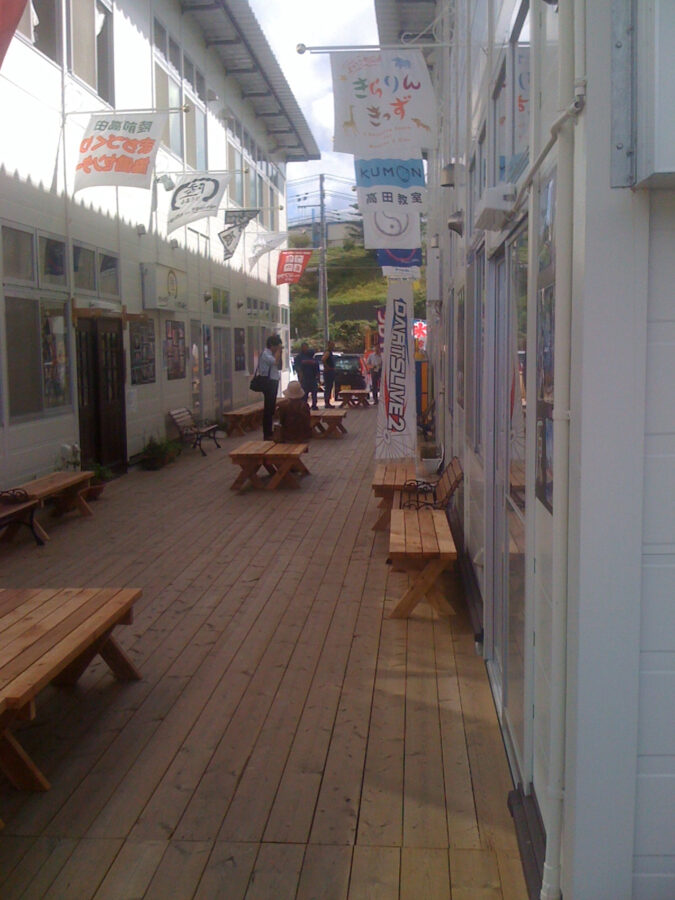

President Kawano gave his recipes to an old-established brewer in Akita, which made soy sauce for him under contract, and Yagisawa was selling again in Iwate on May 2, 2011, seven weeks after the wave. When customers said some of the contract batches did not taste right, he gave those away free in the disaster zone rather than sell them under his name. A crowdfunding scheme that started in April 2011 raised ¥50 million (about $330,000) in three months, and with a later soy fund it brought in more than 3,000 small investors. A new soy brewery in Daito, Ichinoseki, was finished at the end of 2012, and brewing began again in 2013 using whole soybeans from contract farms.
You can eat the result in Rikuzentakata at Hakko Shokudo Yagisawa, the miso and soy maker’s canteen inside CAMOCY, a fermentation park in the Imaizumi district, where groundwater once fed a cluster of breweries. The canteen serves freshly cooked local rice in wooden tubs with fish pickled in miso and sake lees, 11:00 to 17:00, and the whole complex closes on Tuesdays (as of November 2026). Its shop, CAMOCY Hakko Market, opens 10:00 to 18:00 on weekdays and from 9:00 at weekends.
Otokoyama Honten: a shop rebuilt from its top floor
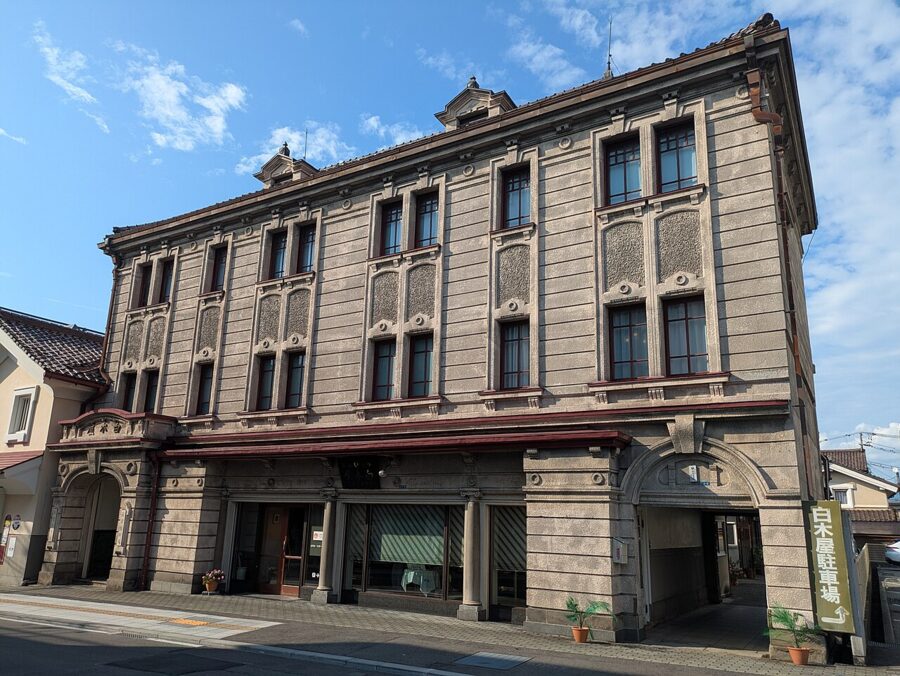
Kesennuma’s Otokoyama Honten has made sake since 1912, with rice the local farmers grow for it (Kura no Hana, a Miyagi sake rice registered in 1997) and soft spring water from the Shishiori district. Its shop on Uomachi, a three-story wooden building from 1930 with Art Deco touches and a registered cultural property, collapsed in 2011, all but the top floor.

The family kept the surviving third floor in storage for years without a plan. Then, with money from international foundations and local supporters, carpenters used those parts to rebuild the whole 90-year-old building, and it reopened in July 2020, nine years and four months after the wave. Today the ground floor sells and pours tastings and the third floor is a free gallery with panels on the collapse and the rebuild. It opens 9:30 to 17:00 and closes on Tuesdays; the brewery and its 1932 guest hall are a three-minute walk away, and brewery tours need a booking (as of November 2026).
Suzuki Shuzoten: yeast that waited in Aizu
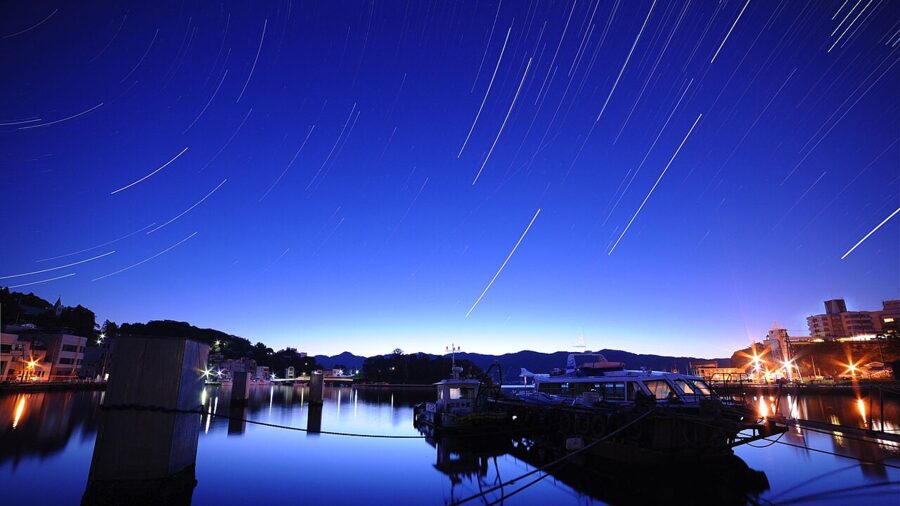
Suzuki Shuzoten in Namie was called the sake brewery closest to the sea in Japan. It brewed Iwaki Kotobuki, a sake the Ukedo fishermen drank to celebrate a good catch, and the tsunami carried the brewery and the family home away. Then the nuclear evacuation closed the town.
What saved the sake was a sample of yamahai starter mash the brewery had sent to Fukushima Prefecture’s technology center in Aizuwakamatsu before the disaster. The center isolated the brewery’s own house yeast from it, and in October 2011 the Suzukis moved to Nagai, in Yamagata, where they took over a local brewery called Toyo Shuzo and kept making Iwaki Kotobuki. On March 20, 2021, they opened a new brewery inside the Namie roadside station, ten years after the wave, and they still brew in Nagai as well.
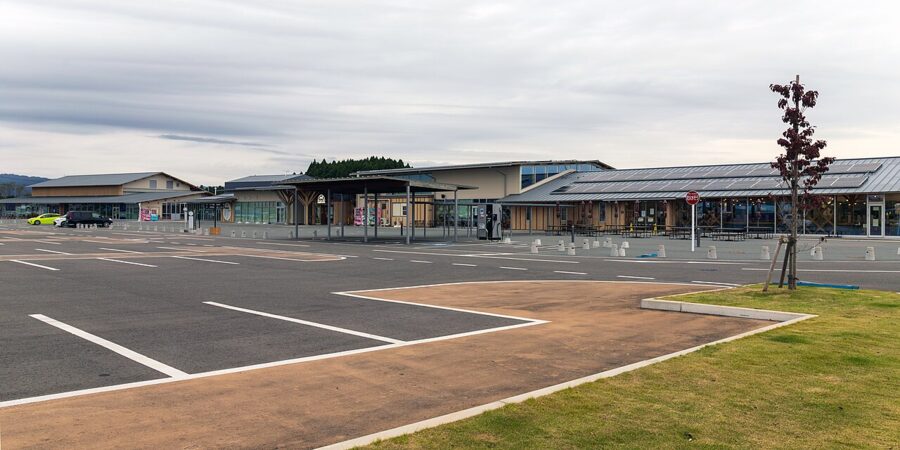

The brewing room has a glass front, so you can watch the roughly two-week process from mash to pressing and then taste the result. The sales corner also sells fresh sake lees and freshly pressed sake you will not find in a city shop. I would buy a freshly pressed bottle and drink it within the week.
Obori Soma-yaki: twenty kilns, scattered
Obori Soma-yaki began in the Genroku era (1688 to 1704) in Obori, a village of the Soma domain, when a man named Hangai Kyukan had his servant Sama make tea bowls from local clay and paint horses on them. The domain backed it, and by the end of the Edo period more than 100 households in eight villages were firing pots. The double wall was invented late in the Meiji period by a potter named Sakamoto Kumajiro, and in the export boom of the early 1950s the cups sold in America as “double cups”. The craft was designated in 1978.

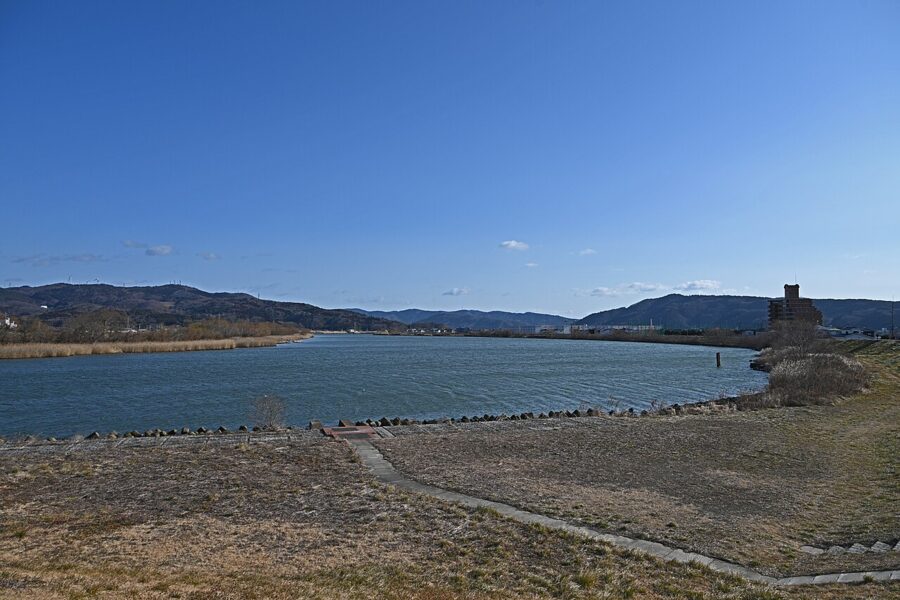
In 2011 the whole of Namie was evacuated, and Obori ended up in the zone residents still could not return to; the cooperative’s own history says so as of June 2021. All of its more than 20 kilns had to leave. Worse, the local stone used for the blue celadon glaze, toyama-ishi, could no longer be used because of radioactive contamination, so the potters had to work out a new glaze from other regions’ materials.
The cooperative set up a temporary workshop and shared kiln in Nihonmatsu, 60 kilometers away, in July 2012. About half of the kilns have since restarted in new places around Fukushima, and in March 2021 the cooperative moved its office and workshop back into Namie, to the Namie no Waza Nariwai-kan inside the roadside station. It sells work from every member kiln there and shows old pieces from the late Edo period to early Showa.
Two businesses born in 2011
Many craft projects started in the temporary housing estates after the disaster: knitting circles, origami, sewing groups. Most were meant to ease the loneliness of the prefab estates and faded as the estates emptied, which is no criticism. Two that set out to be businesses are worth knowing.
Ishinomaki Laboratory
Ishinomaki Laboratory dates itself to March 11, 2011. It started as a communal workshop in the coastal city where residents could borrow tools and timber to repair their homes, and it turned into a furniture company. The architect Keiji Ashizawa designed its Ishinomaki Stool in 2011 for a furniture-making workshop with residents of temporary housing, after the team found that people needed somewhere to sit while putting on shoes in their entrance halls.

The pieces are built from standard-size lumber, so anyone with basic tools could make them, which was the point. The AA Stool by Torafu Architects, two stools that stack into one tall seat, is ¥66,000 on the Japanese store and $425 on the lab’s US store (as of November 2026). Since 2014 a program called Made in Local has licensed the designs to makers abroad who build them from their own timber.
The lab changed shape in 2026. In July, Ashizawa took over as CEO, dotcom, its long-time partner on Made in Local in China, became a main shareholder, and the workshop chief, Chiba Takahiro, left the co-leadership to found Ishinomaki Kosakusho, which now builds the furniture in Ishinomaki as the lab’s manufacturing partner. Its October 2026 collection, with designs from BIG-GAME, TAF Studio and Daniel Schofield, is made with Karimoku from Japanese hardwood. If you want to see the furniture in use, Ishinomaki Home Base, opened in 2020, has a café on the ground floor and four guest rooms designed by the lab’s collaborators.
Kesennuma Knitting
Kesennuma Knitting started in 2012 with the aim of creating work local people could be proud of, and became a company in 2013 under Tamako Mitarai, a former consultant who had worked for the government of Bhutan. Women around Kesennuma hand-knit sweaters and cardigans; in a 2021 interview Mitarai said the fully made-to-measure cardigan cost ¥140,000 (about $930) and carried a waiting list of a year and a half. She also said the company had set out from the start to be a lasting local industry, not a one- or two-year relief project. Confirm it is still taking orders before you plan around it.
Where to buy
Buy from the maker or the town where you can. You get the full range, the staff can tell you which caster or potter made the piece, and the money stays in the region. These are the places I would go, with hours as each listed them in November 2026.
| Place | What | Hours |
|---|---|---|
| Iwachu Tekkikan, Minami-Senboku, Morioka | Nambu ironware; watch casting and lacquer finishing | 10:00 to 17:00, closed Tuesdays (open on holidays) and New Year; free |
| Morioka Handi-Works Square, Tsunagi, Morioka | Craft village with working studios and about 4,000 Iwate products | 8:40 to 17:00, closed New Year; exhibition room ¥100 (about $1) |
| Kokeshi no Shimanuki, Ichibancho, Sendai | Traditional kokeshi, Tohoku crafts, Ogatsu stone sake cups, kokeshi painting | 10:30 to 19:00, closed second Wednesday (except August) and January 1 |
| Ogatsu Inkstone Traditional Industry Hall, Ishinomaki | Inkstones and slate tableware | 9:00 to 16:30, closed Tuesdays |
| Otokoyama Honten, Uomachi, Kesennuma | Sake, tastings, gallery | 9:30 to 17:00, closed Tuesdays |
| Michinoeki Namie, Namie | Iwaki Kotobuki sake, Obori Soma-yaki from every kiln | 10:00 to 18:00, closed last Wednesday of the month; pottery corner 10:00 to 17:00, closed Tuesdays and Wednesdays |
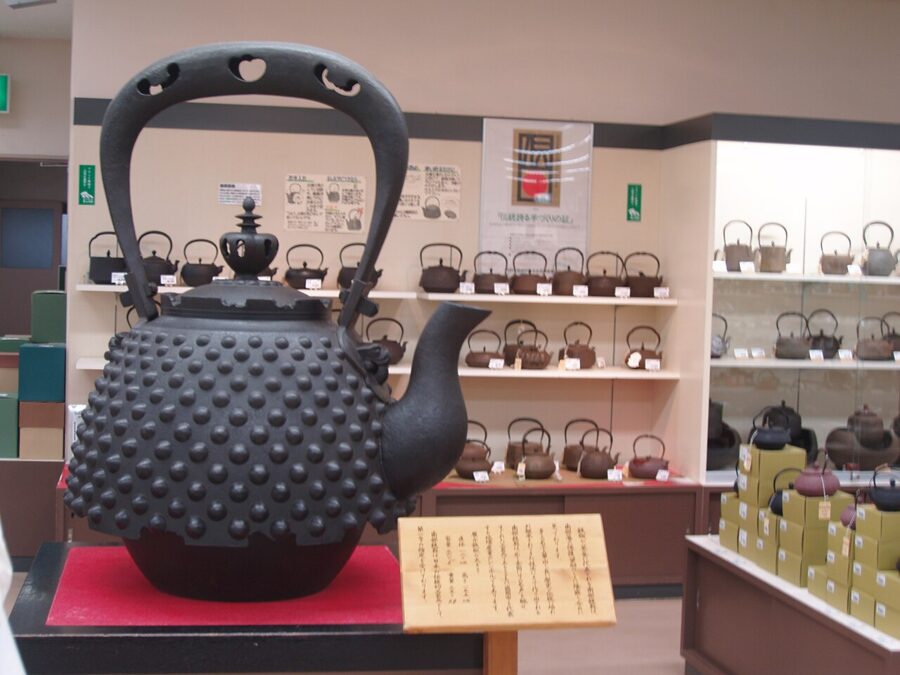

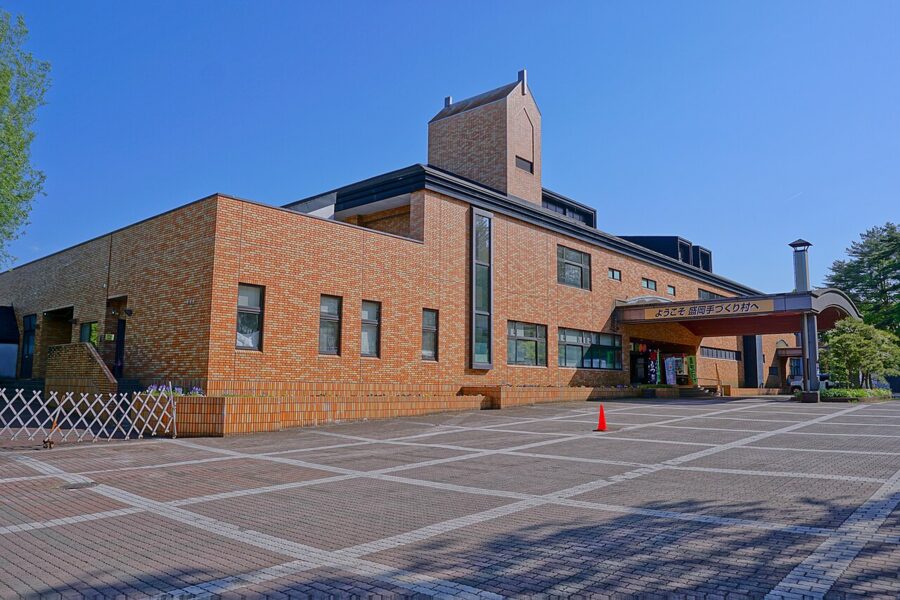
In Morioka, Kamasada on Konyacho is the kettle maker I would visit after Iwachu; the Handi-Works Square directory lists it at 9:00 to 17:30. Its kettles with a slightly sunken rim, the shape called ubaguchi, are the ones to look at. At Handi-Works Square itself you can watch Nambu ironware, lacquer, pottery and Iwate’s homespun cloth being made in separate studios on one site.

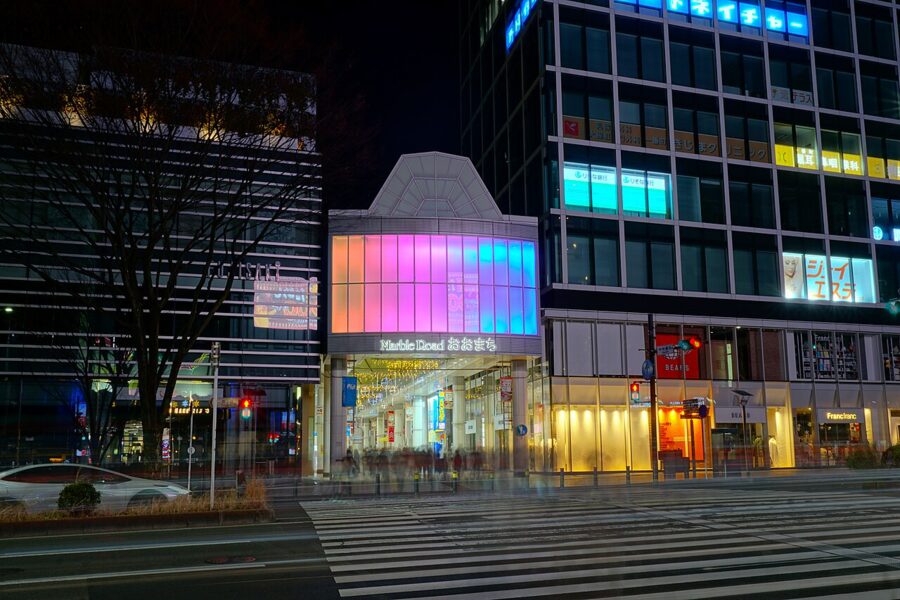
In Sendai, Kokeshi no Shimanuki is in the Marble Road Omachi arcade, 10 to 15 minutes’ walk west of the station, and handles tax-free sales. It carries traditional kokeshi alongside Sendai tansu, Tamamushi lacquer and Ogatsu stone cups, and runs kokeshi painting sessions.

Online, buy from the makers’ own stores. Iwachu (iwachu.co.jp), Oigen (oigen.jp), Ishinomaki Laboratory (ishinomaki-lab.org), the Ogatsu cooperative (ogatsu-suzuri.jp) and Otokoyama Honten (kesennuma.co.jp) all sell direct, and Michinoeki Namie runs an online sake shop. Joboji lacquer is sold by Tekiseisha, the town’s lacquer workshop in Ninohe, open since 1995, where you can watch the coats go on through a glass wall.

A few checks before you pay. Iwachu stamps its products and warns about lookalikes. Ogatsu stone should carry the new Ogatsu stone mark. And an Obori cup should have the crackle all over, rubbed dark with ink, with the two walls visible at the rim.


A route down the coast
The coast itself is the reason to come. You can drive it in three or four days from Rikuzentakata in Iwate down to Namie in Fukushima, or use the JR bus rapid transit lines that replaced the destroyed railway on some stretches. Go slowly: the towns are small and the shops close early.
Rikuzentakata
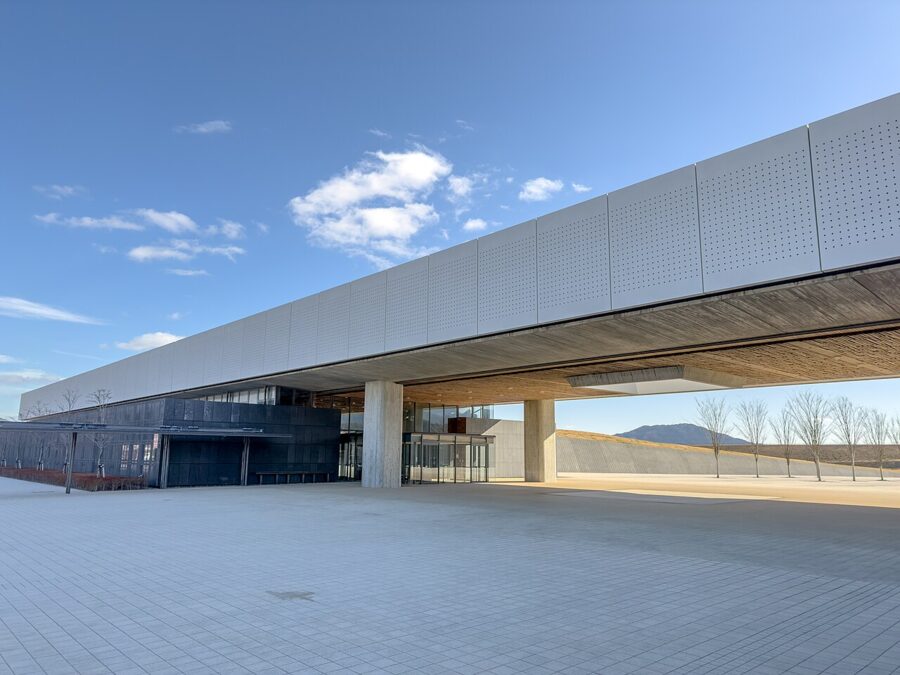
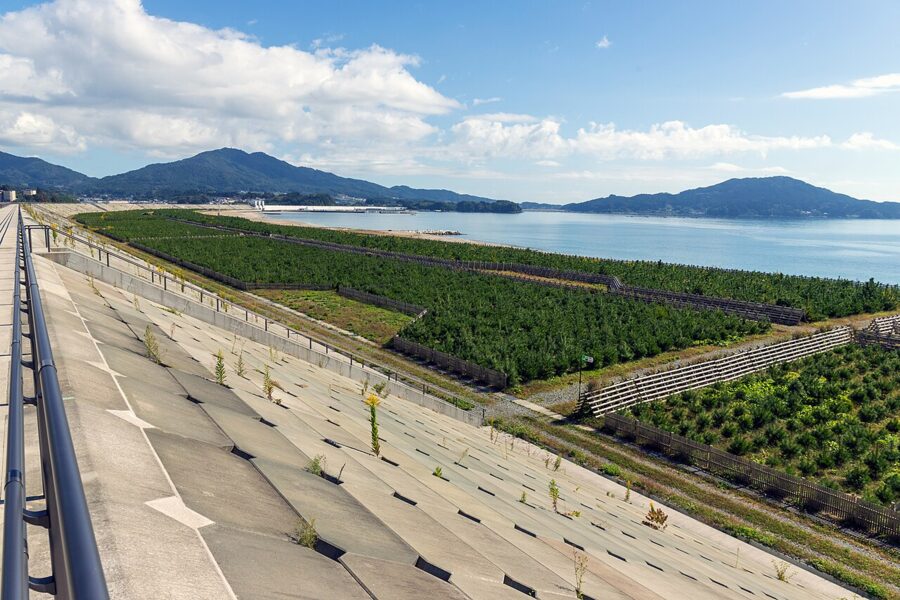
Start at Takata-matsubara Tsunami Memorial Park. The Iwate Tsunami Memorial, which opened on September 22, 2019, tells the story of the disaster through objects, including a fire engine wrecked in the disaster. It is free, open 9:00 to 17:00 with last entry at 16:30, and closed December 29 to January 3 (as of November 2026). The nearest stop is Kiseki no Ipponmatsu on the Ofunato Line BRT.

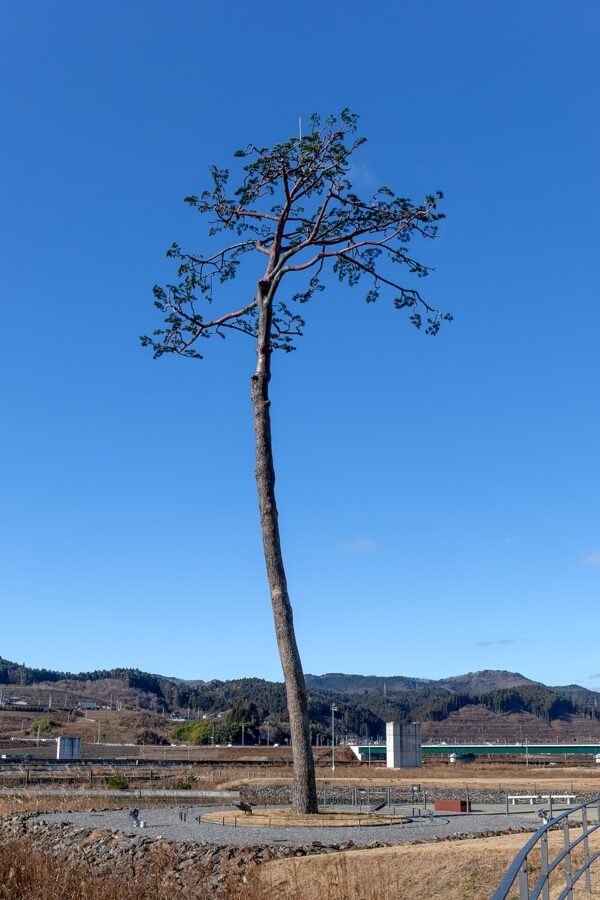
From the park you can walk to the Miracle Pine, the one tree left standing of roughly 70,000 in the old shore forest, now preserved as a monument. The forest has been replanted. CAMOCY and Yagisawa’s canteen are a short drive inland in Imaizumi.


Kesennuma and Minamisanriku
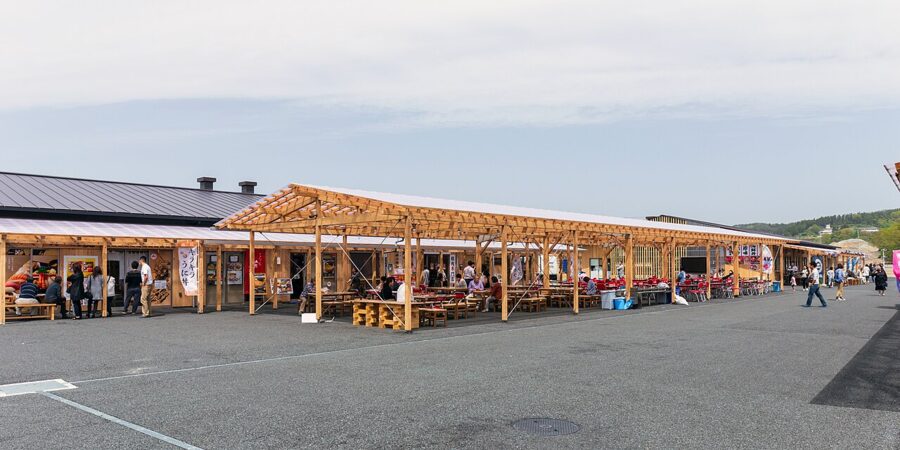
Kesennuma is a short drive south. Have lunch by the Inner Bay, then the Otokoyama shop on Uomachi, and if you have booked, the brewery. South again, Minamisanriku Sun Sun Shopping Village moved into permanent wooden buildings on March 3, 2017, and holds about 28 shops and restaurants, open 9:00 to 17:00 (as of November 2026). Order whichever Kirakira rice bowl is in season; sea urchin is the summer one.

Ogatsu and Ishinomaki
Ogatsu is a slow coastal drive from Minamisanriku or Ishinomaki. Go to the inkstone hall, buy a plate, and drink something at the roadside station while you look at the bay.
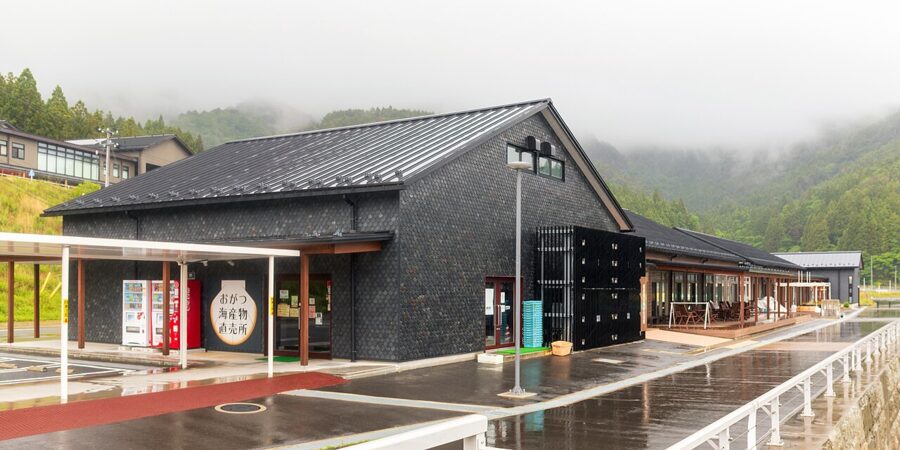

Ishinomaki is close enough for the same day. The Minamihama Tsunami Memorial Park on the city’s waterfront holds the Miyagi Tsunami Memorial Museum, and from there it is a short drive east to Watanoha and Ishinomaki Home Base.
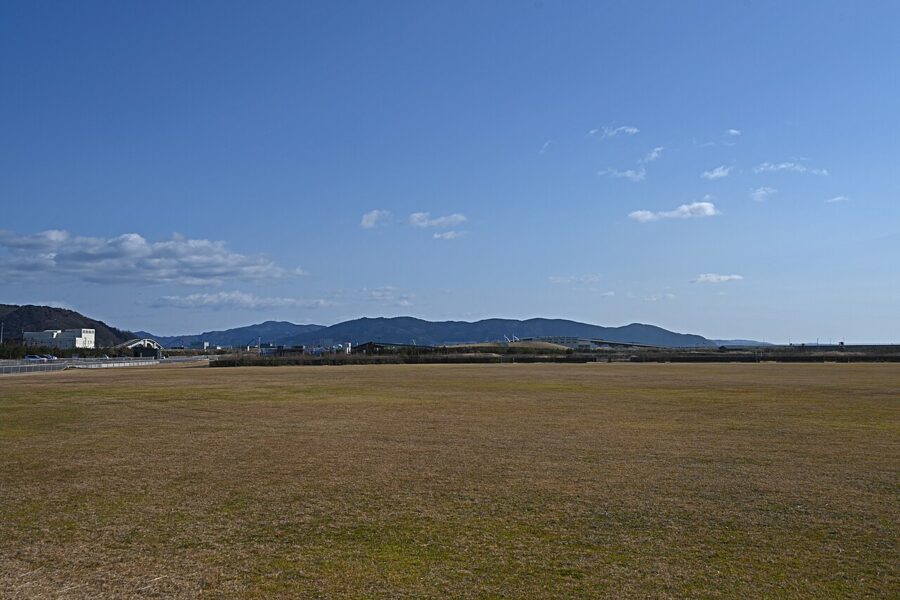

Namie
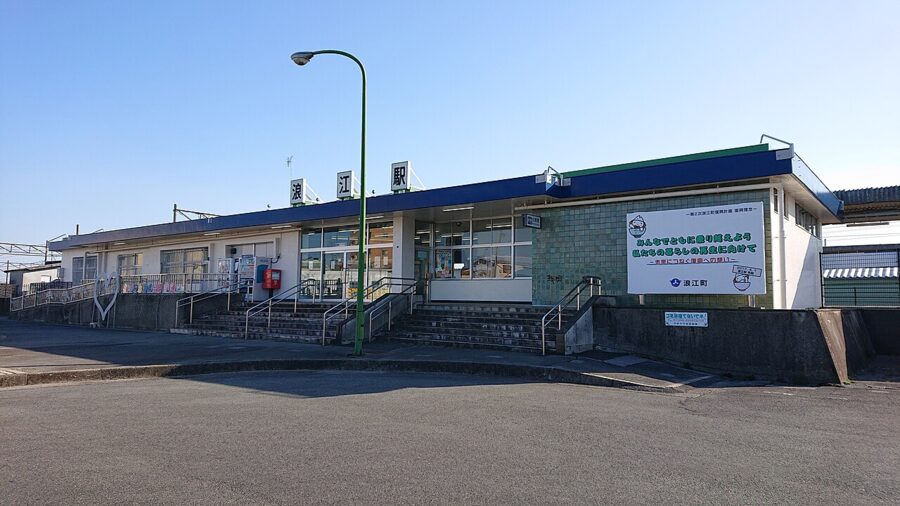
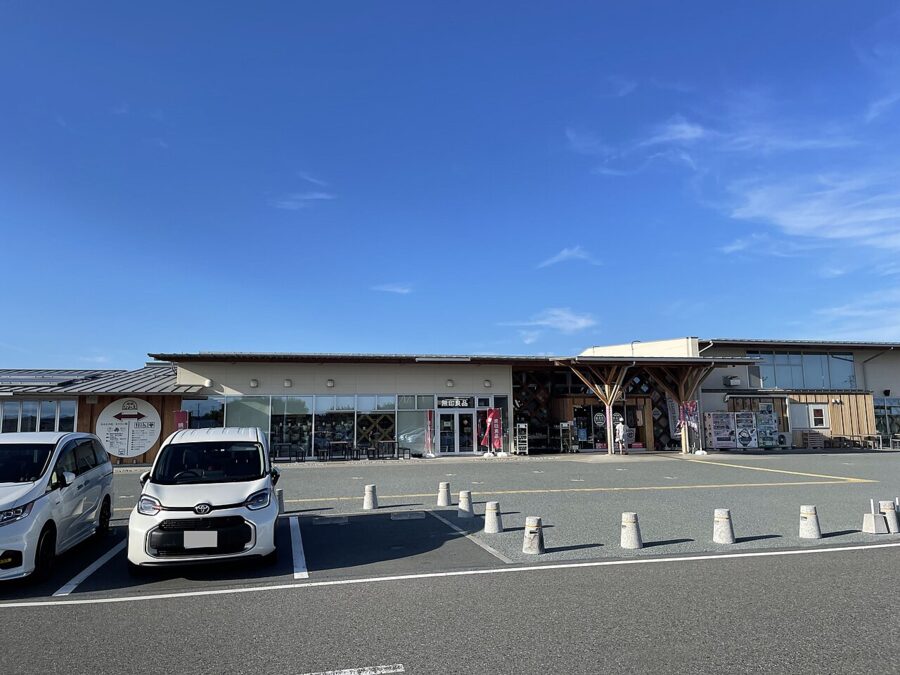
End in Namie. It is a long drive from Ishinomaki, but the Joban Expressway makes it straightforward, and Namie Station on the JR Joban Line is a 15-minute walk from the roadside station.

Book a Saturday pottery class at the cooperative’s corner, ¥2,200 (about $15) for hand-building with 500 grams of clay or ¥1,650 (about $11) to paint a teacup, at least three days ahead. Then watch the brewers through the glass and walk to the Ukedo River behind the building.
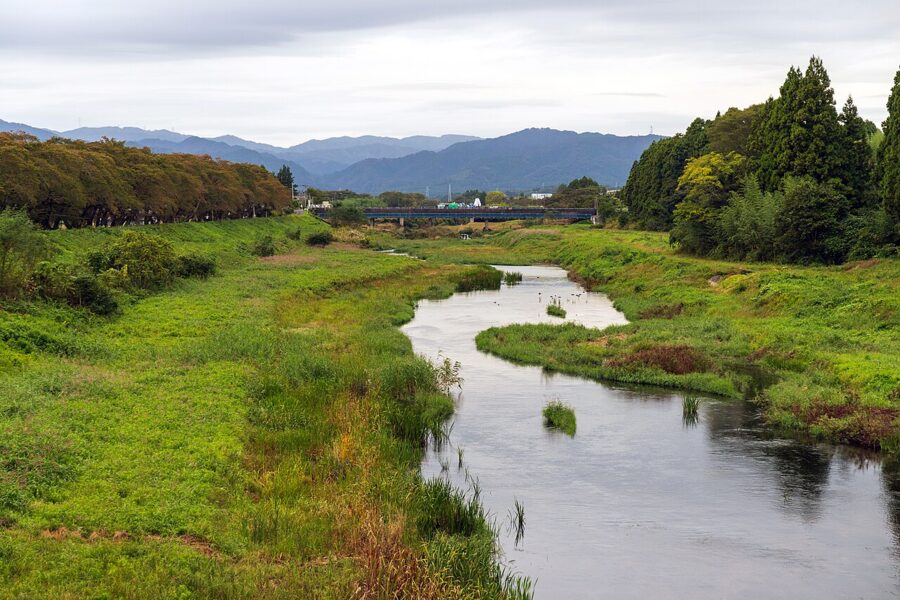

The Obori cooperative says that when the crackle forms in the cooling kiln the glaze makes a small, high “ping”, and the sound was chosen as one of Fukushima’s 30 notable sounds. Pick up a double cup in the corner shop, fill it, and hold it by the outer wall. If it stays cool in your hand, someone in Namie made it right.