
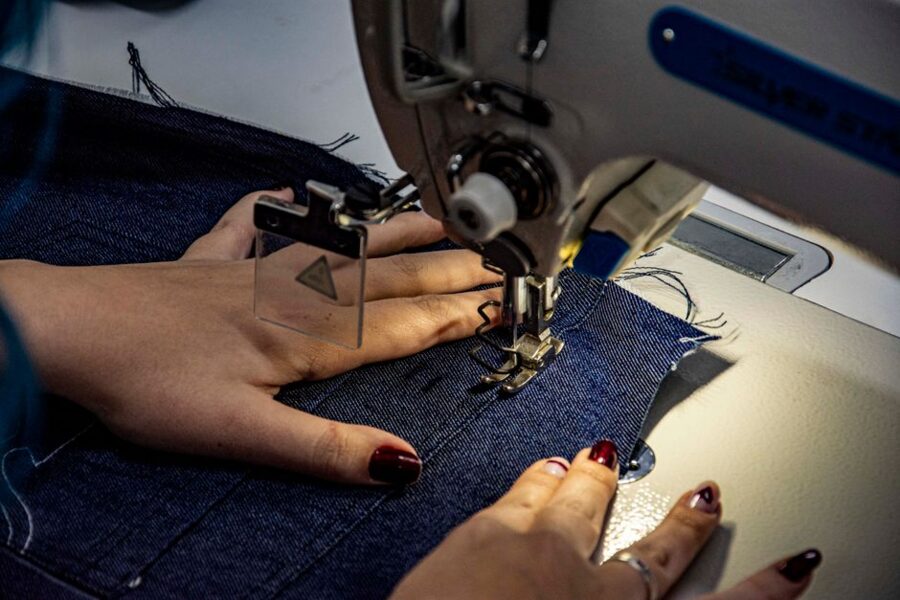
A trench coat in Nincompoop Capacity’s FAT SMILE series costs ¥53,900 (about $340), and it started life as somebody else’s coat. The label takes used clothes apart, sews them back together, adds a hand-printed slogan or a smiling face, and sometimes leaves the old damage showing on purpose. It has worked this way in Tokyo since 2007, first out of Koenji and then from the back streets of Harajuku.
So, plainly: Nincompoop Capacity still trades. As of November 2026 it keeps a shop on the third floor of a small building at 4-15-16 Jingumae, posts its opening notices on Instagram, and sells online under the trading name Ohashi Shoten (オオハシ商店). The shop announced on June 3, 2026 that it was open until 19:00, and its web store carries current stock with prices and measurements.

The label gets filed with Ura-Harajuku menswear, and its shop does sit inside the old Ura-Hara grid. It arrived after the boom years, though, and its roots are in Koenji’s used-clothing streets rather than in the logo T-shirt drops that made Harajuku famous. It also cuts for anyone: the web store shows the same pieces on a model 152 cm (5 ft) tall and another at 170 cm (5 ft 7 in).
In this article
Still open, on the third floor at 4-15-16 Jingumae
The shop is room 306 of a building called 原宿ジートルンク at 4-15-16 Jingumae, Shibuya. Its Instagram profile gives the hours as 13:00 to 19:00 (as of November 2026). The legal notice on its web store still says 13:00 to 21:00 with irregular days off, so plan on the earlier close and check the day’s post before you go.
There are two accounts. The shop posts as a_nincompoop_capacity, with more than 4,000 posts behind it, and the label itself as nincompoopcapacity. The shop profile also points to Cathy, the designer whose own line hangs on the same rails, at southpawcathy.
The online store runs on the BASE platform at ohashishoten.official.ec. Its sections are NINCOMPOOP CAPACITY, A NINCOMPOOP CAPACITY, Cathy, MARKiN(G), CHAOZ, Ondev, SKIN, the bead jeweler 装身具adorable, and a rail of plain used clothing. Prices include Japanese consumption tax, orders ship within five days, and the notice says nothing about shipping abroad, so ask before you order from outside Japan.

One old trail is dead. The address nincompoopcapacity.com, which shop guides listed in 2011 and 2013, no longer loads, and links to it from old shop guides lead nowhere. Use the BASE store and Instagram instead.
Koenji first, then the back of Harajuku
The Japan Fashion Association dated the shop’s opening to July 2007. Its 2013 profile described a street, rock and punk shop selling original and remade clothes for men and women, with a following that was not tied to any one age group. It also praised the shop’s detailed replicas and its made-to-order work.
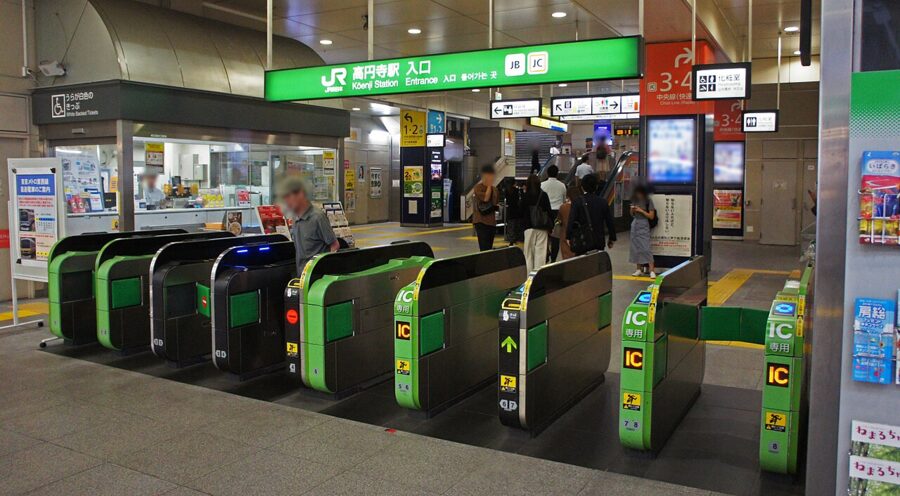

The label began in Koenji, the district on the Chuo Line known for used clothes, small live houses and cheap bars. In 2011 street photographers working Harajuku still described Nincompoop Capacity as a Koenji shop and brand. One of the people they photographed that May was the designer known as Hashi-O, then 27, in a fleece-trimmed cotton jacket with a Slipknot patch, remade blue sneakers, and belts worn around the chest.
That same year the association listed a new shop: Southpaw by Nincompoop Capacity, on the second floor at 3-4-13 Koenji-kita, opened as a sister shop after the main store moved to Harajuku. It was run by the designer called Cathy, who had made the samples for the label’s remakes. She is left-handed, hence the name, and the guide said she had taken to sewing frills onto sportswear to make it look deliberately odd.
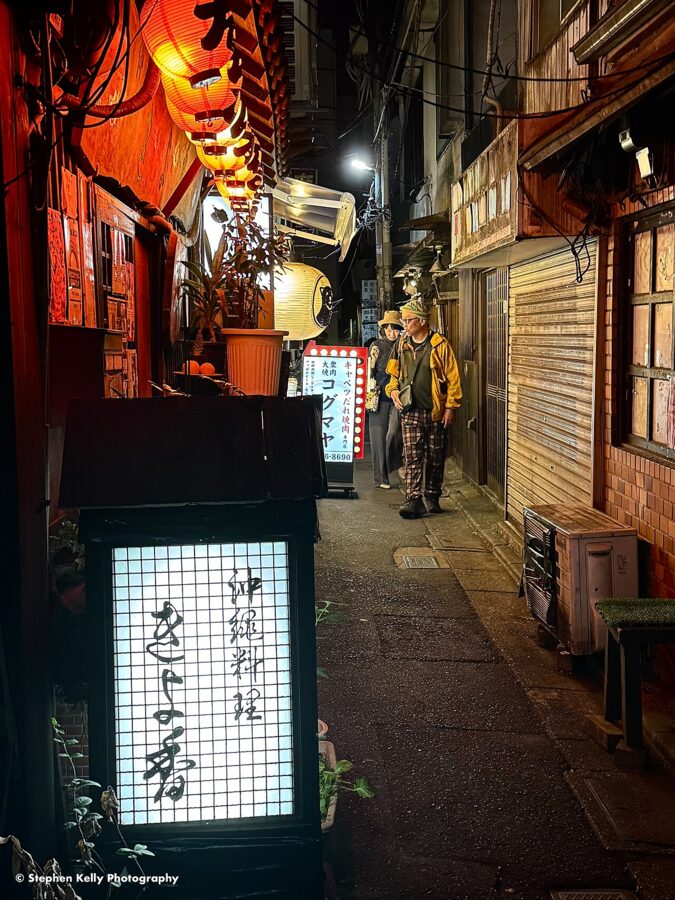

I found no sign that the Koenji shop still opens. Cathy’s work now sells through the Harajuku shop and the web store, and some listings carry both names, NINCOMPOOPCAPACITY Cathy. Treat any old Koenji address you find as history, not a destination.
By July 2013 the Harajuku shop had moved again, from near the Harajuku crossing to the ground floor of the Amano Building at 3-15-5 Jingumae, open 12:00 to 21:00 at the time. The association called the new room slightly more spacious, with music and street references in the fittings and a few jokes hidden in the display. Since then the shop has gone upstairs, to the third-floor room at 4-15-16 it uses now.
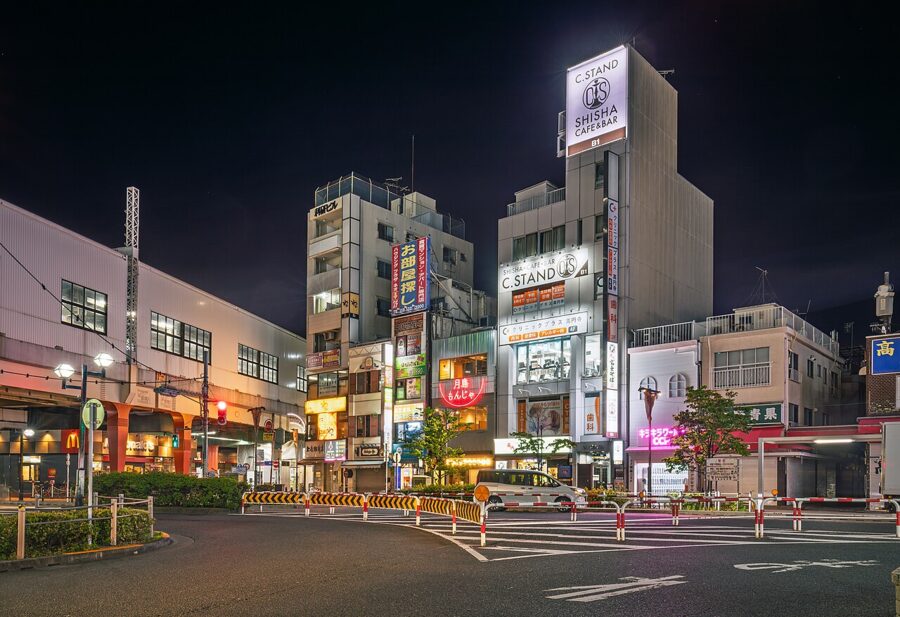

Cut, resewn and printed by hand
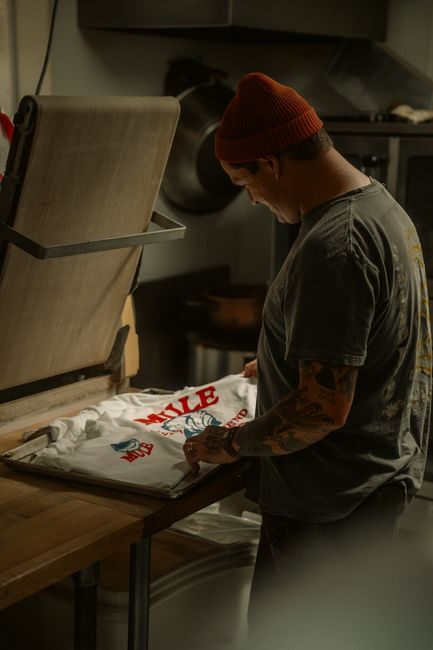
Almost everything starts as furugi (古着), used clothing. A remake is built from one or more of those garments, so each listing on the web store gives its own measurements: length, chest, shoulder, sleeve, rise. Two pairs of the same model are never quite the same pair.
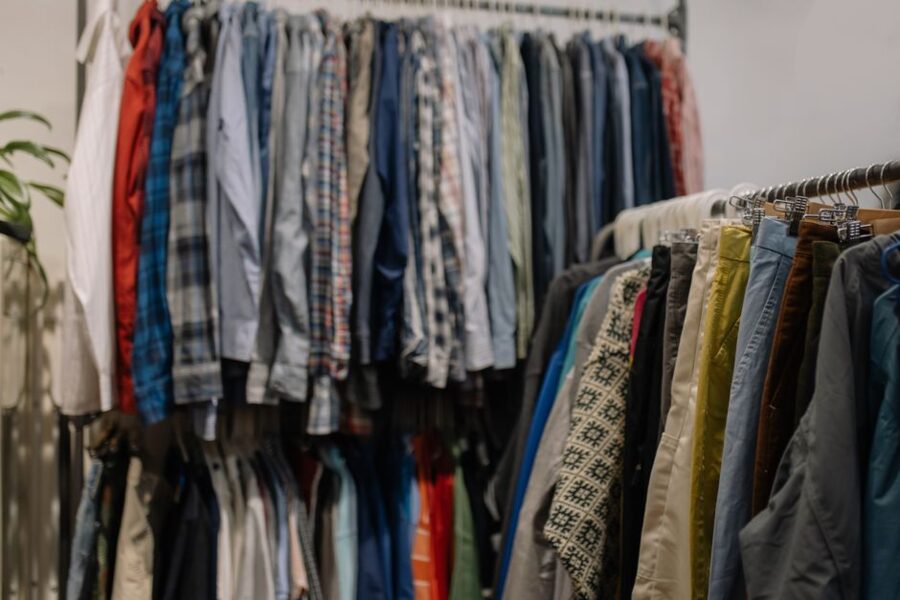
The shop is frank about what that means. Its notice on every remake says the pieces may carry the scuffs and stains of old clothes, and that some damage is left in during making as part of the design. Neither counts as a defect, and returns are accepted only for real faults.
The graphic line, A NINCOMPOOP CAPACITY, mixes remakes with prints. Its big-silhouette sweats are printed by hand one at a time, which the Japanese listings call tezuri (手刷り), and the shop warns that ink splashes or faint patches turn up now and then. Those sweats are 10-ounce (about 340 g per square meter) cotton loopback, and the football tee in the same series is printed on a vintage football shirt.
Here is what the web store showed in November 2026, by line:
| Line | What it is | Price range (as of November 2026) |
|---|---|---|
| NINCOMPOOP CAPACITY | One-off remakes: dresses, overalls, coats, split-leg trousers | ¥19,250 ($121) to ¥82,500 ($520) |
| A NINCOMPOOP CAPACITY | Hand-printed sweats and tees, many on used blanks; pins, socks, rubber key rings | ¥660 ($4) to ¥32,450 ($205) |
| Cathy | Cathy’s own remakes and prints, frills on sportswear, remade denim | ¥8,800 ($55) to ¥47,300 ($298) |
The remakes run from a zip sweat dress at ¥19,250 to a pullover long shirt at ¥82,500, with a vintage quilt overall at ¥50,050 (about $316) and fringe trousers at ¥77,000 (about $486). On the printed side, an ANIGATO big-silhouette sweat is ¥13,200 (about $83), a FAT SMILE sweat ¥20,900 (about $132), and a CAN’T STOP thermal shirt ¥21,450 (about $135). A round FAT SMILE rubber coin case is ¥990 (about $6).
I would start with a printed sweat, which you can buy online with little risk since the size chart tells you everything. A remake I would buy only after seeing it, or after reading its measurements against a garment you already own. The bead brooches from 装身具adorable on the same rail are worth a look too: they are woven bead by bead on a loom from Japanese-made Delica glass beads, and the collaboration with Cathy turns her へなちょこ軍団 characters into octopus and sunfish brooches at ¥9,460 (about $60).
Ura-Harajuku, the scene it walked into
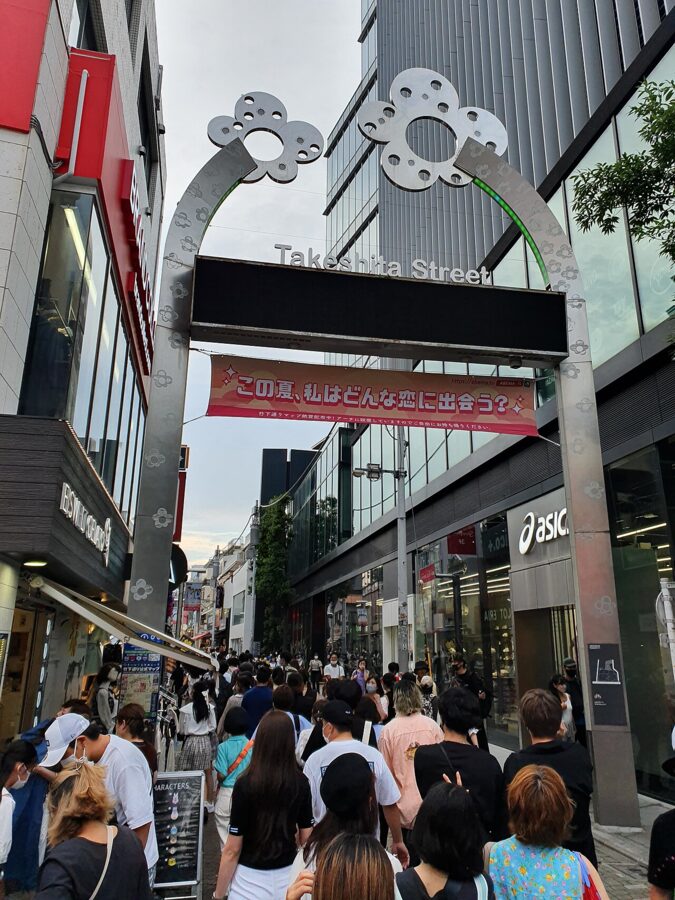
The back streets got their name from what happened out front. In the late 1980s Takeshita-dori filled with cheap clothing and with “talent shops” selling goods from TV personalities; Japanese fashion press counts 42 of them on Takeshita-dori alone in 1989, and 78 across Harajuku. They closed one after another between about 1991 and 1993 as the bubble economy collapsed.
While Takeshita-dori turned into a tourist street, designers and small shops moved east of Meiji-dori and north of Omotesando. That pocket of Jingumae became Ura-Harajuku (裏原宿), back Harajuku, Ura-Hara for short. Japanese fashion press puts rents there after the crash at ¥110,000 to ¥150,000 a month (roughly $690 to $950 at today’s rate). Hiroshi Fujiwara, whose first label Goodenough started in 1990, has said the name doubled as a pun on urahara (裏腹), meaning “the opposite.”

Jun Takahashi started Undercover with a friend in 1990 while he was still a student, showed his first runway collection in Tokyo for autumn-winter 1994, and joined Paris Fashion Week in 2002. Nowhere Co., Ltd. was founded in Harajuku on April 1, 1993, and launched A Bathing Ape; Takahashi and NIGO opened their shared shop, Nowhere, the same year, and people queued outside a room with little stock. Neighborhood followed in Harajuku in 1994.
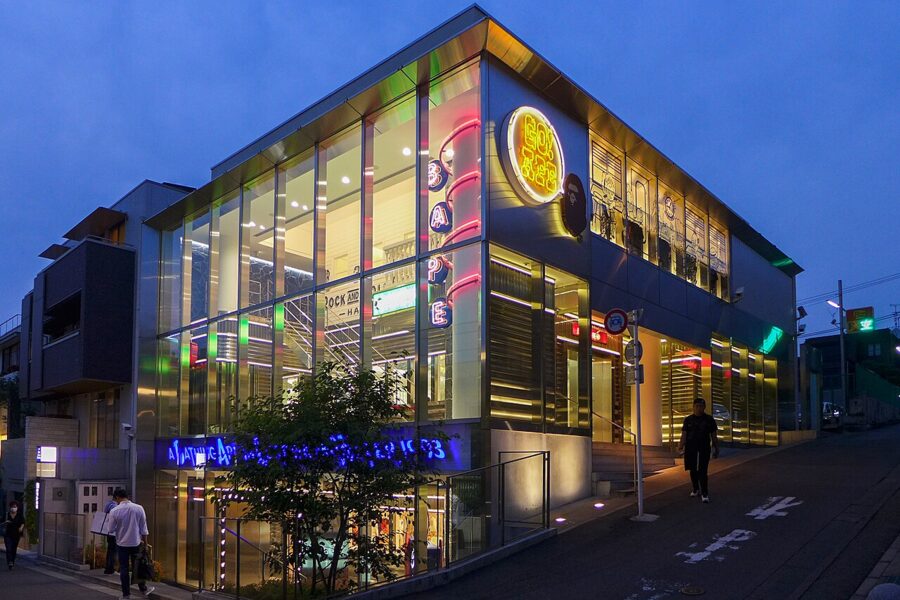

The scene ran on magazines and word of mouth more than on press offices. Fujiwara also ran the shop Ready Made from 1997 to 1999, and he called the area “Propeller Street” after a vintage shop named Propeller that closed in 2003. By the time Nincompoop Capacity appeared, the people behind those first small rooms were showing in Paris and running chains of their own stores.
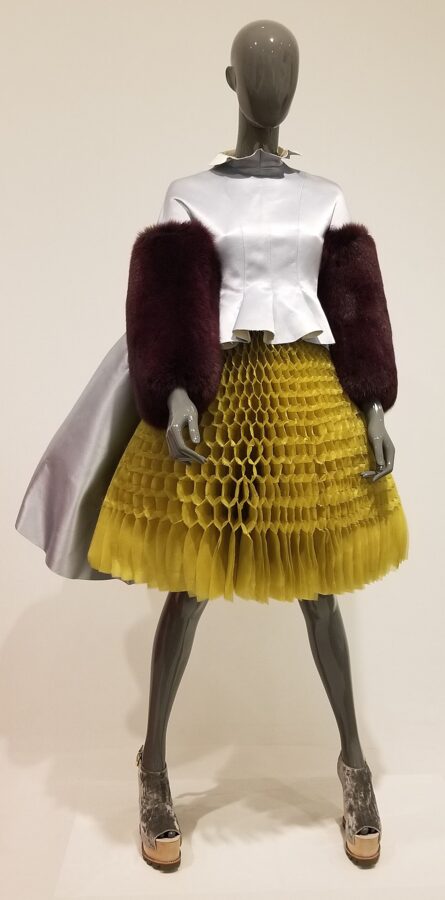

Nincompoop Capacity came in at the other end of that story. It opened in 2007, was trading in Harajuku by 2011, and brought Koenji habits into the same streets: one-off remakes priced piece by piece, punk patches, and clothes cut to fit men and women. That is why I would not call it an Ura-Hara menswear label, even though it lives in Ura-Hara. It belongs to the remake and furugi shops that kept the back lanes cheap enough to wander.
Buying it second-hand, and checking what you buy
The resale trail is mostly Japanese. On Mercari, the marketplace app, November 2026 search results showed a sweat cardigan at ¥3,851 (about $24), a pair of suspenders at ¥3,999 (about $25), and a Cathy piece at ¥20,000 (about $126). The used-clothing chain Bazzstore listed a mesh-panelled Nincompoop Capacity shirt, filed under men’s tops, at ¥3,780 (about $24) from its Koenji branch.
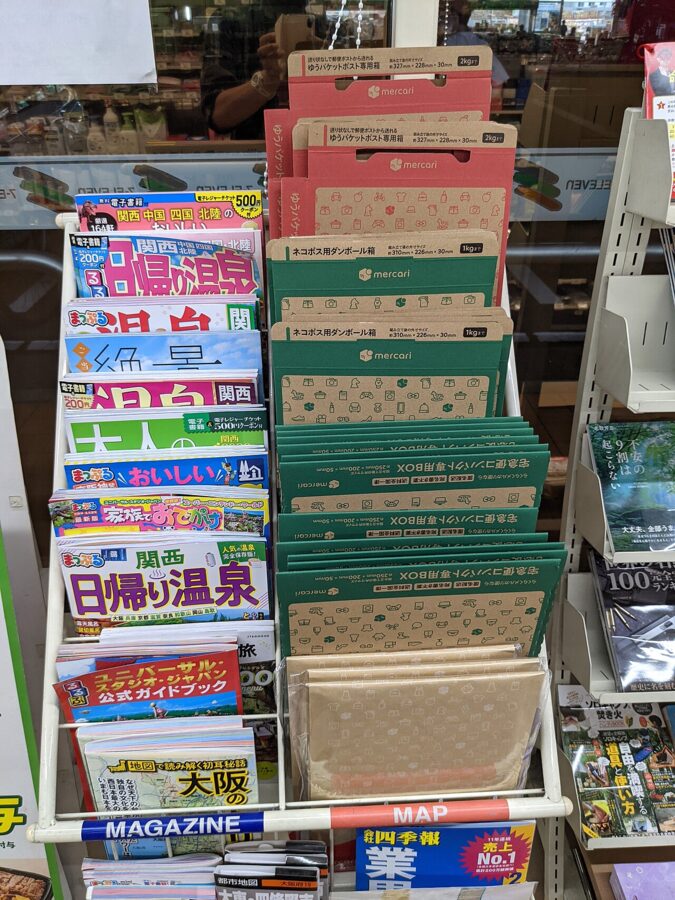

Search every spelling. Sellers write the name as NINCOMPOOP CAPACITY, NINCOMPOOPCAPACITY, ニンカンプープキャパシティ, ニンカンプープ キャパシティー and ニンカンプープーキャパシティ, and some list only “Ohashi Shoten” or “Cathy.” Mercari’s Japanese site is built for buyers in Japan, so from abroad most people go through a proxy-buying service.
I found no published guide to the label’s tags, so the checks are practical ones:
- Match the piece to the shop’s own photos. Remakes are one-offs, and the shop has posted a great many of them over the years. A distinctive patchwork should turn up in the shop’s Instagram archive or an old web store listing.
- Ask for the label and the inside. A clear photo of the brand label and of the inside seams tells you more than the front. Remakes show two generations of stitching: the original garment’s and the label’s.
- Compare measurements. The web store records length, chest, shoulder and sleeve for each piece, so a seller’s numbers can be checked against a listing that sold.
- Read damage correctly. Holes, fading and ink specks are normal on these clothes. They do not prove a fake, and they will not get you a refund either.
Price is the last check. A remake that sold new for ¥30,000 to ¥50,000 (about $190 to $315) and turns up at a few thousand yen is usually an older piece, a mislabelled one, or plain used clothing from the shop’s own vintage rail. That can still be a good buy, as long as you know which of the three you are paying for.
Walking it today: Harajuku Station to room 306
Start at Harajuku Station on the JR Yamanote Line, or at Meiji-jingumae “Harajuku” on the Chiyoda and Fukutoshin subway lines. Takeshita-dori runs from the station’s Takeshita exit to Meiji-dori, and walking it once shows you what the back streets were escaping.
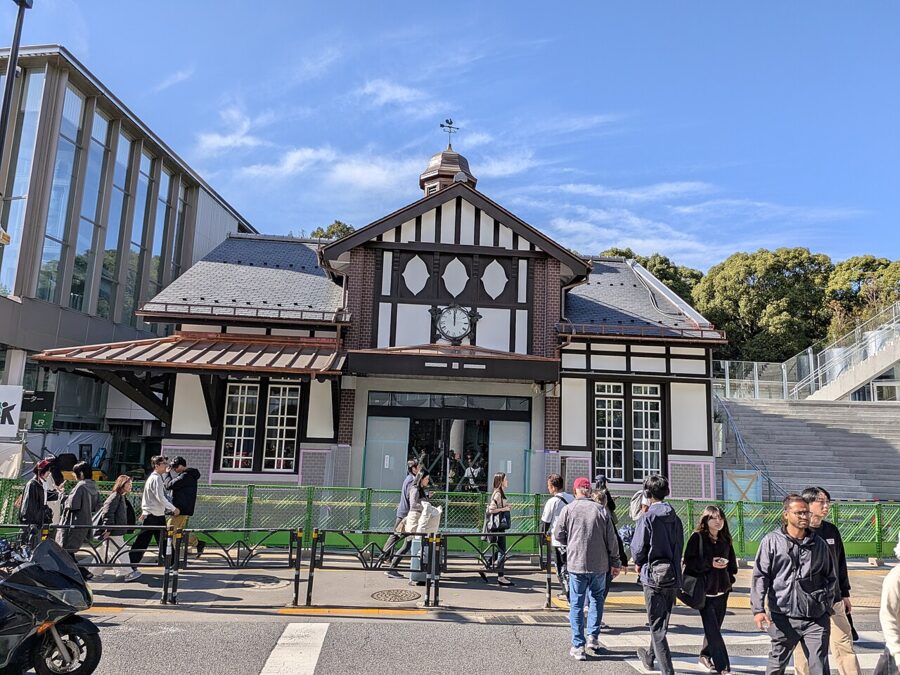
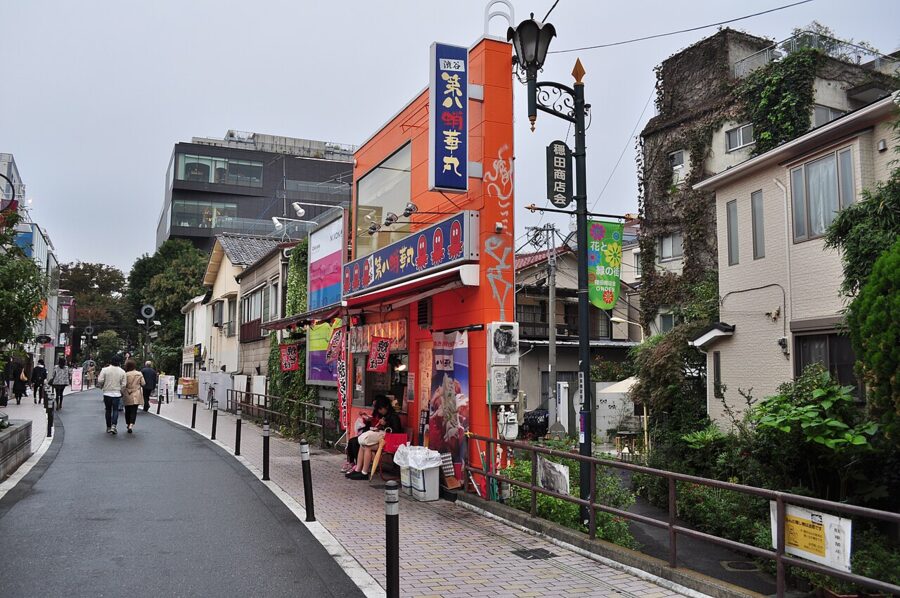
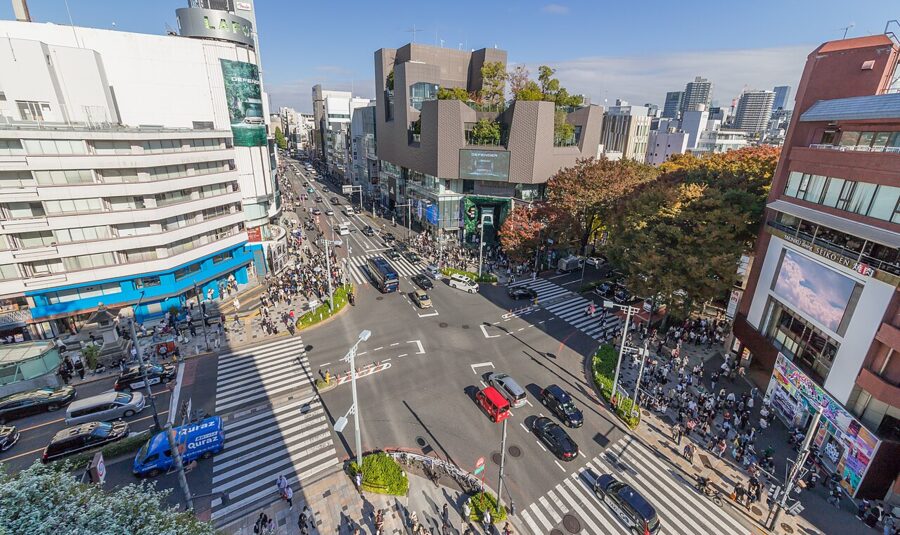
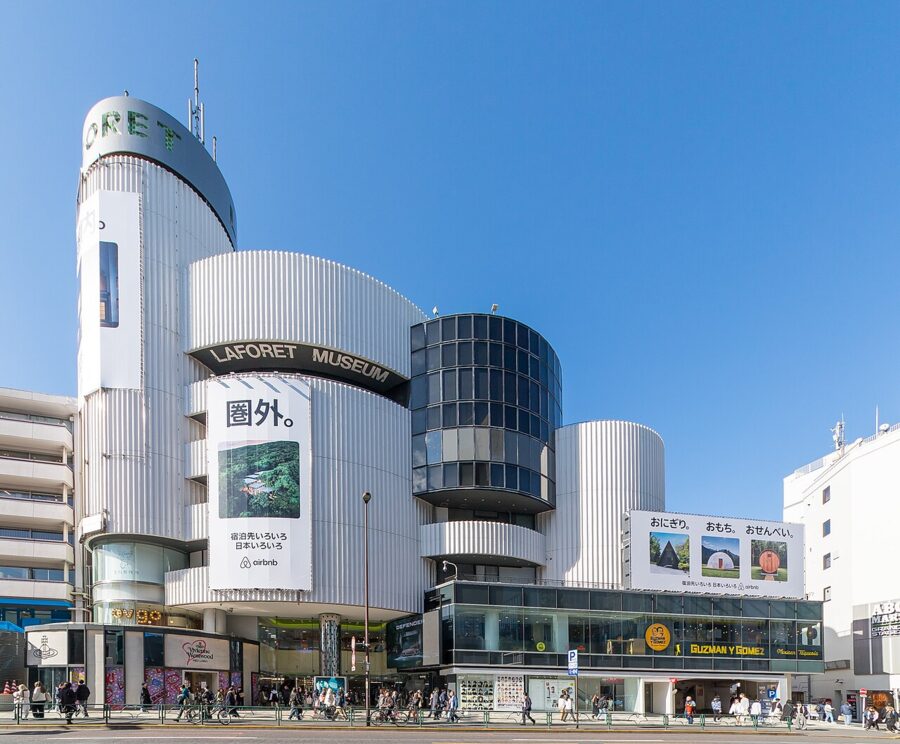
At the bottom, cross Meiji-dori at the Jingumae crossing, with Laforet on the corner. Everything ahead of you to the east, north of Omotesando, is the old Ura-Hara grid of narrow lanes.
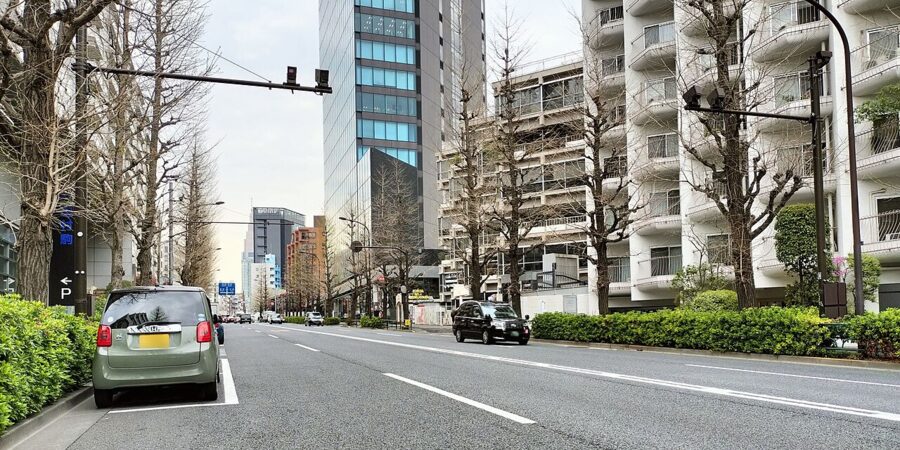
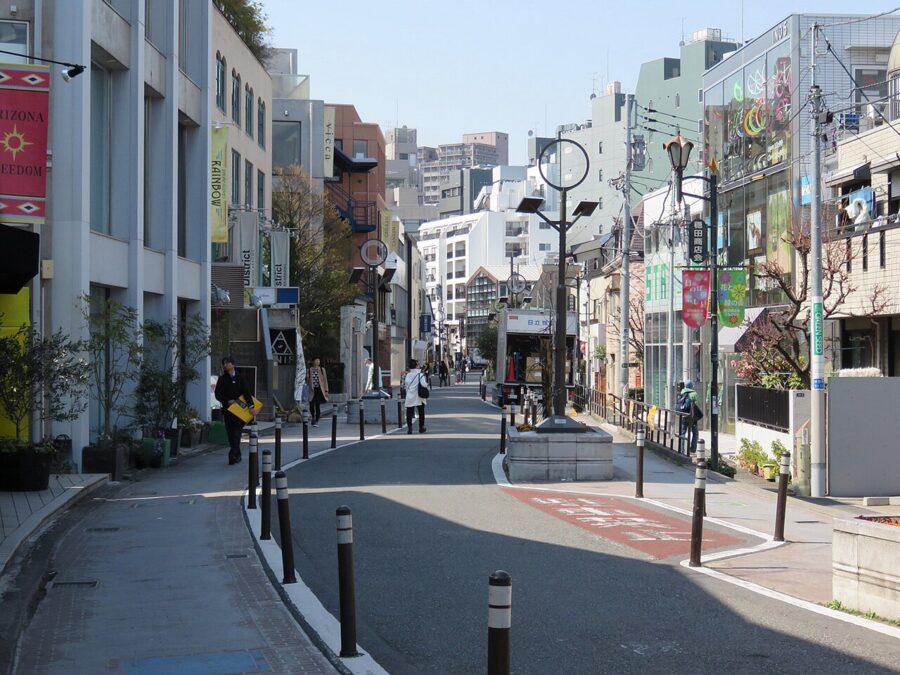
Cat Street is the spine. It follows the line of the old Shibuya River, now a promenade, and it crosses Omotesando, so you can walk its northern stretch first and then cut east into the lanes. Nincompoop Capacity does not open until 13:00, so walk Cat Street in the morning while it is quiet and arrive at the shop after lunch.
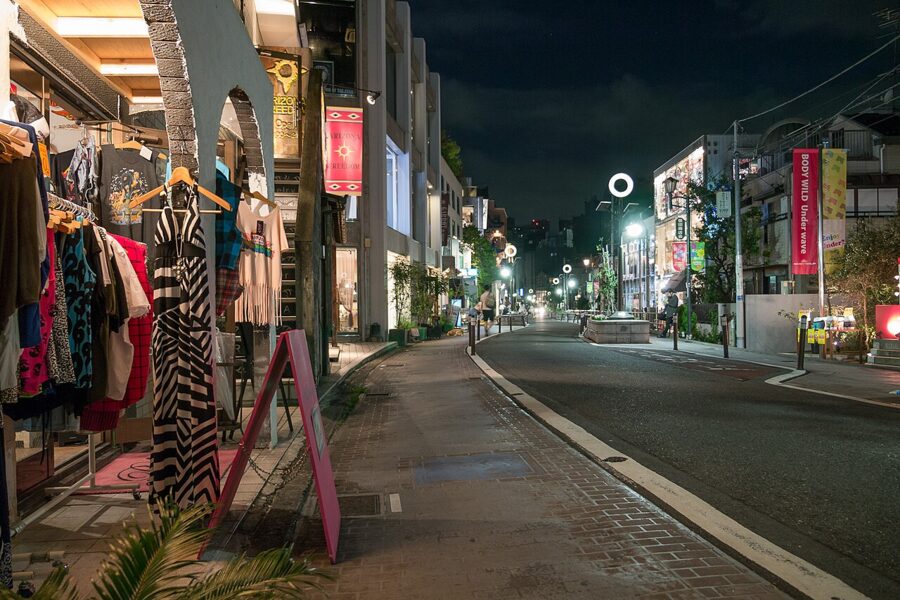

Nincompoop Capacity’s building is about 250 meters northeast of Omotesando Hills, the long mall on the north side of Omotesando, and a walk of under ten minutes from Meiji-jingumae or Omotesando subway stations. The shop is upstairs and the street door is easy to miss, so look for the sign at the entrance and take the stairs or lift to the third floor.
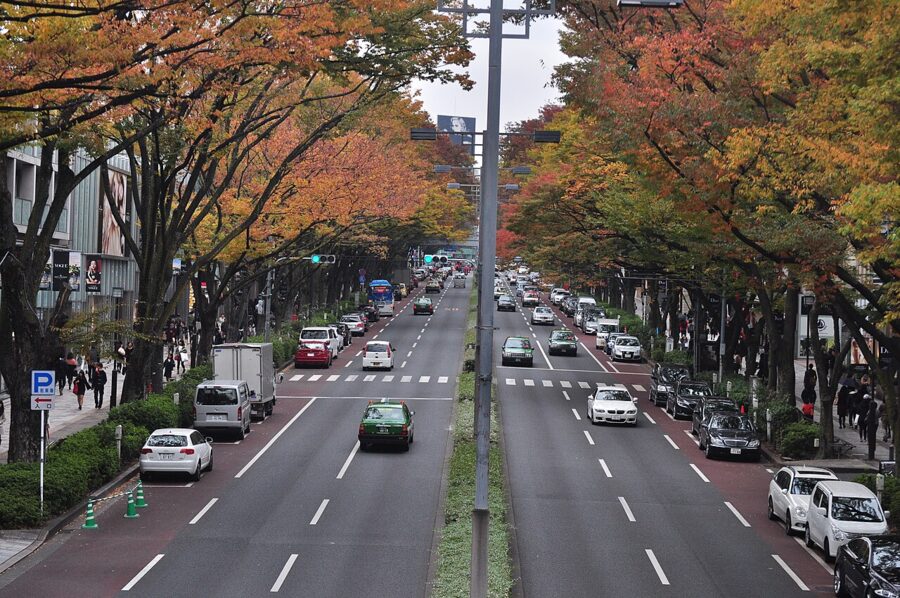

Go after 13:00, when the shop opens, and leave yourself time before the 19:00 close. If you want the full arc, add the BAPE Store in Harajuku, still on A Bathing Ape’s own store list, and see how far a shared back room in 1993 traveled from a third-floor remake shop in 2026.
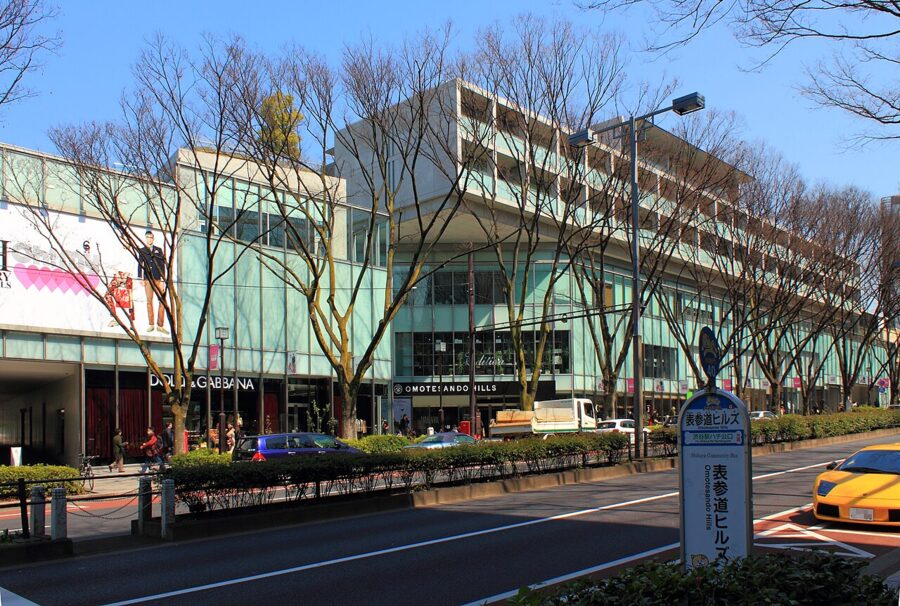

When you pick up a remake there, turn it inside out. If two fabrics meet at a seam that no factory ever sewed, someone in Jingumae put them together, and that seam is what you are paying for.