
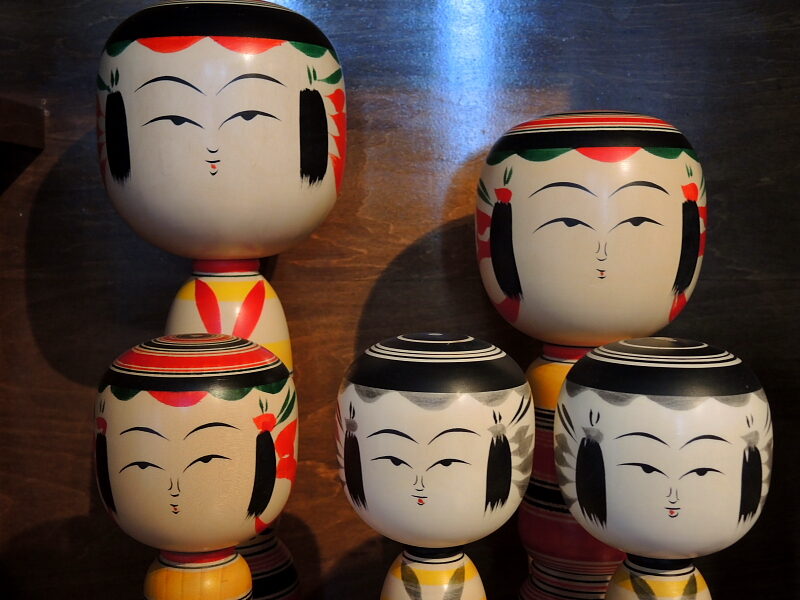
Turn the head of a Naruko kokeshi and it squeaks. The maker drove the neck into the body while the lathe was still spinning, and the heat of the friction seated it for good. That squeak is the sound of a lineage, and in the hot-spring towns of Tohoku, where these limbless wooden dolls began, you can still hear it in shops where the lathe runs behind the counter.
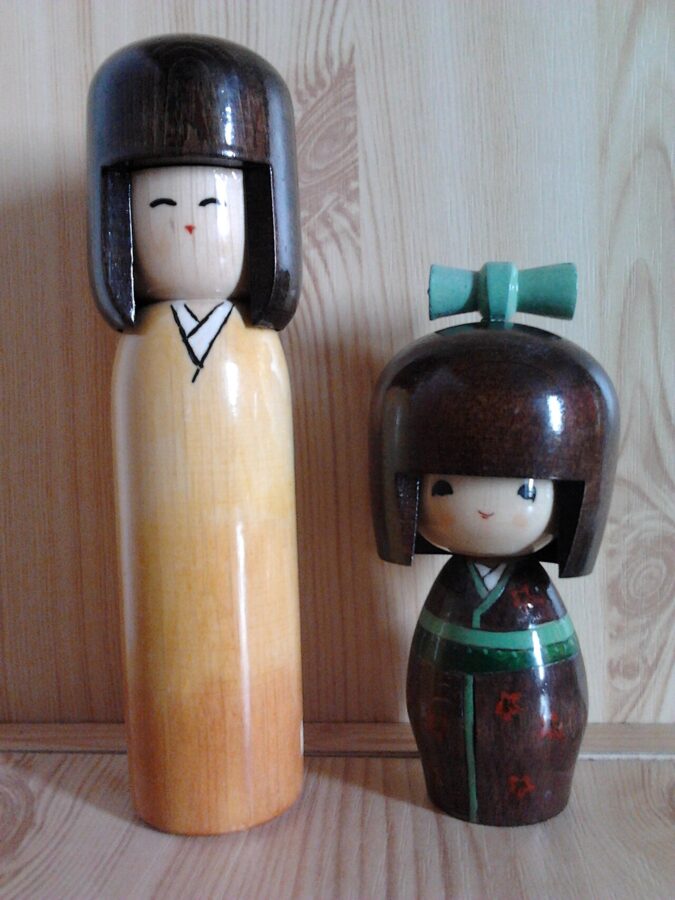
A kokeshi (こけし) is a turned wooden doll with a round head, a cylindrical body and no arms or legs. The first ones were made by kijishi, wood turners who otherwise made bowls and trays, as toys for children at the mountain spas of northern Japan in the late Edo period. Two centuries later the craft has a dozen recognized lineages, a national craft designation and a modern branch that ignores all of them.
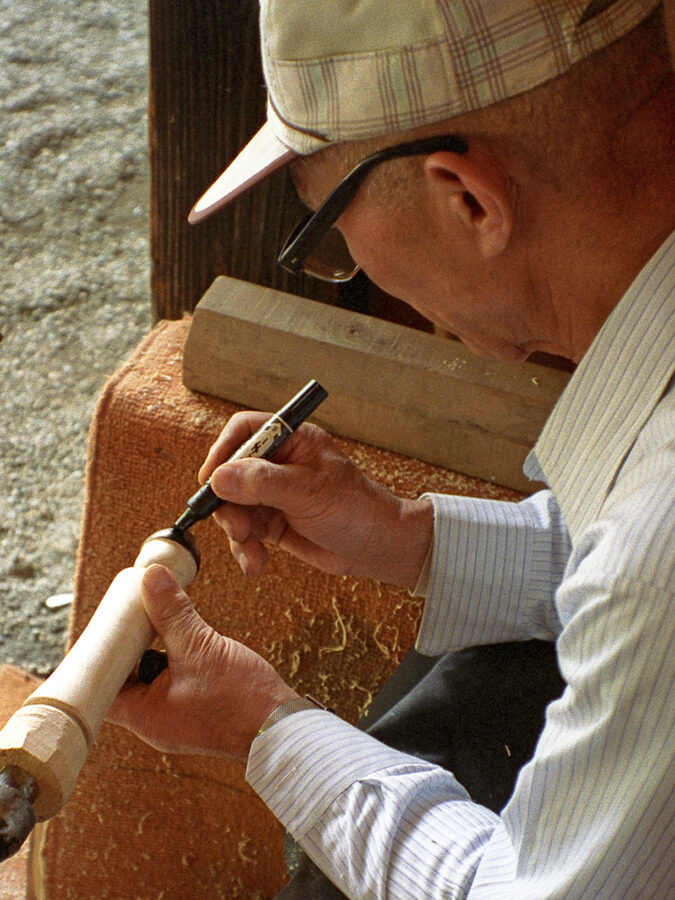
It is also one of the cheapest crafts in Japan to try. Painting a plain doll costs between ¥800 (about $5) and ¥4,400 (about $29), and at the best workshops a working maker shows you how the brush should move.

In this article
Where kokeshi came from, and what the name means
The Japan Kokeshi Museum’s history dates the first dolls to the Bunka and Bunsei eras (1804 to 1830), when turners sold them at the spas as toys. The oldest records call them simply ningyo, doll; a document of 1862 has kofukeshi. Each district had its own word, such as kibokko or deko, and makers and collectors settled on the three hiragana letters こけし only around 1940 (sources give 1939 or 1940).
Which town came first depends on whom you ask. The Miyagi Zao Kokeshi Museum says Togatta has the oldest confirmed date, the Japan Kokeshi Museum calls Naruko the oldest production area, and Tsuchiyu counts itself among the three birthplaces.
You may have read that the word means “erased child.” There is no evidence for it, and the idea does not appear in print before the 1960s. The Naruko museum reads the dolls the other way: the ribbon pattern on a Naruko head comes from Kyoto’s celebratory palace dolls, and a kokeshi was a wish for a child to grow up healthy.
Traditional and creative
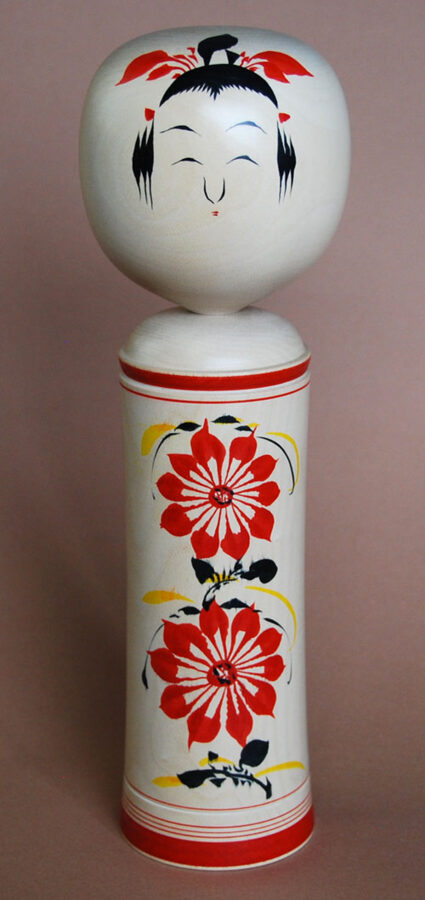
A traditional kokeshi (dento kokeshi) belongs to a lineage whose shape, face and pattern pass from master to apprentice, usually within a family. In Miyagi, the five local lineages became a national traditional craft on June 22, 1981, as Miyagi traditional kokeshi, one of the entries among Japan’s designated traditional crafts.
Creative kokeshi (sosaku kokeshi) came after the Second World War. They keep the turned body and painted face, drop every rule about shape and pattern, and are made all over Japan, with Gunma as the center.

The lineages and their marks
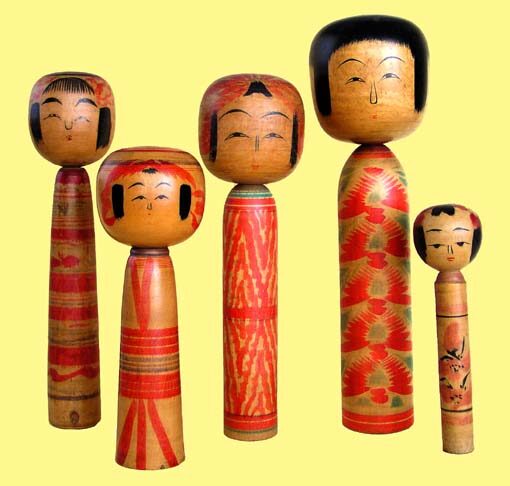
Most lists count twelve lineages (keito), each tied to a spa or mountain village in Tohoku. Older books give ten or eleven, folding Yamagata into Sakunami and leaving out Nakanosawa, which split from Tsuchiyu. Miyagi holds four, which makes Sendai the natural base.
| Lineage | Home | What to look for |
|---|---|---|
| Naruko | Naruko Onsen, Miyagi | Melon-seed head that squeaks, slightly waisted body, chrysanthemums |
| Togatta | Togatta Onsen, Miyagi | Big head with red radiating ribbons, narrow eyes |
| Yajiro | Shiroishi, Miyagi | Ringed “beret” on the crown, lathe stripes |
| Sakunami | Sakunami Onsen, Sendai | Small head, thin body a child can grip |
| Yamagata | Yamagata city | Slim body, plum, cherry or safflower |
| Zao Takayu | Zao Onsen, Yamagata | Big head, red ribbons, heavy peony-shaped body |
| Hijiori | Hijiori Onsen, Yamagata | Square shoulders, yellow body, bold bob |
| Tsuchiyu | Tsuchiyu Onsen, Fukushima | Snake-eye ring on the crown, striped body |
| Nakanosawa | Nakanosawa Onsen, Fukushima | Staring eyes ringed in red, bulbous nose |
| Kijiyama | Yuzawa, Akita | One-piece body, striped kimono, apron |
| Nanbu | Morioka and Hanamaki, Iwate | Bare wood, loose rattling head |
| Tsugaru | Kuroishi and Owani, Aomori | One-piece body, bobbed hair, peonies |
The Miyagi four
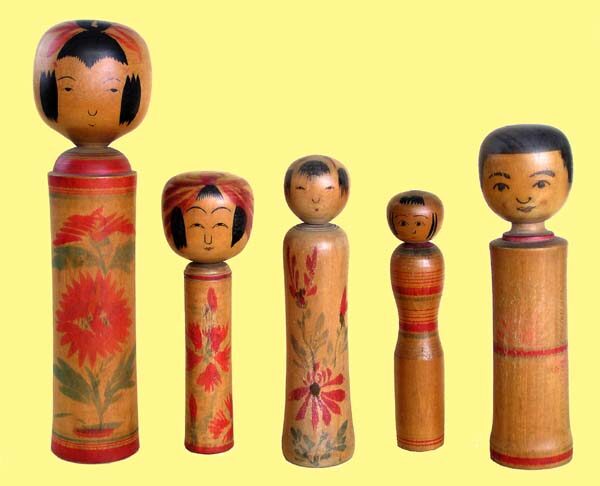
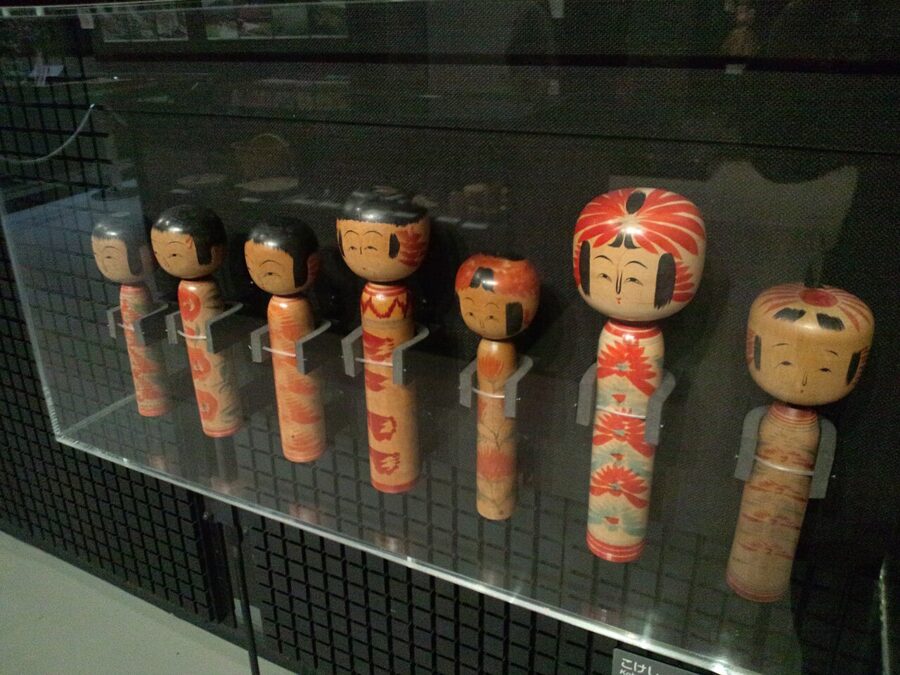
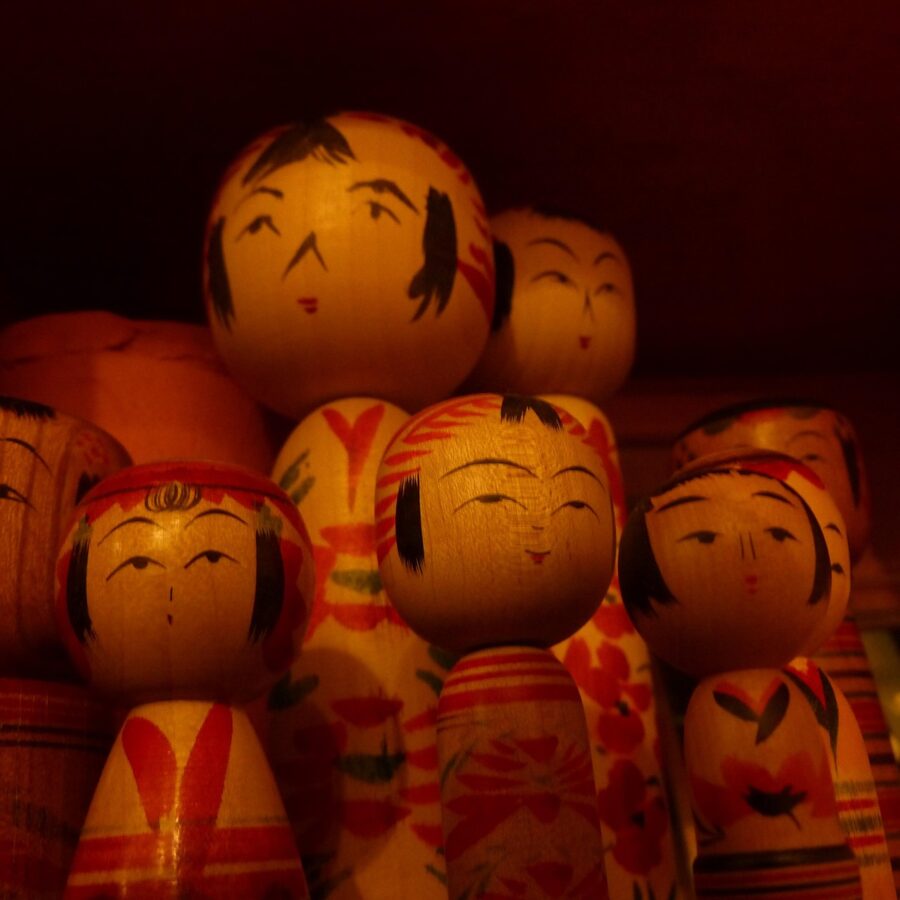
Naruko is the doll most people picture: a stable, slightly waisted body, bangs and a topknot, and flowers painted more realistically than elsewhere. Togatta has a large head crowned with red radiating ribbons (tegara) and an adult face with long narrow eyes, often with a single peony or butterfly on the back.
Yajiro grew in a farming hamlet near Kamasaki Onsen, where families turned dolls in the slack season and made them to order for spa guests, which is why the lineage is so varied. Sakunami’s slim body was made for small hands; dolls sold to adults today are a little thicker so they stand up.

Fukushima, Yamagata and the far north
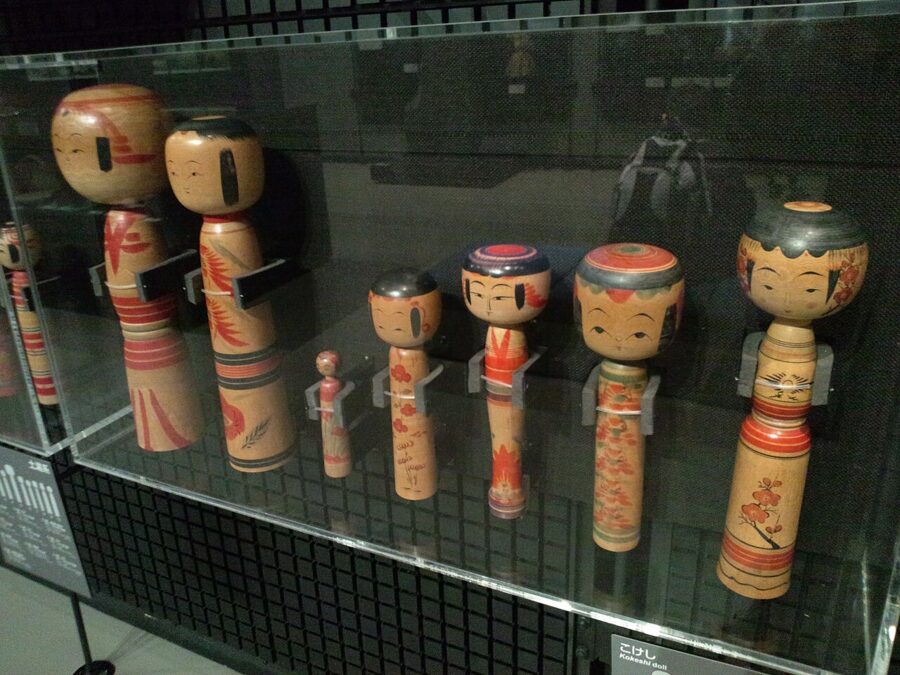
Tsuchiyu dolls have a black ring like a snake’s eye on the crown, red ornaments beside the bangs and drooping “whale” eyes. Nakanosawa is the one people either love or flinch at: staring red-ringed eyes and a big nose, nicknamed tako bozu, the bald octopus boy.
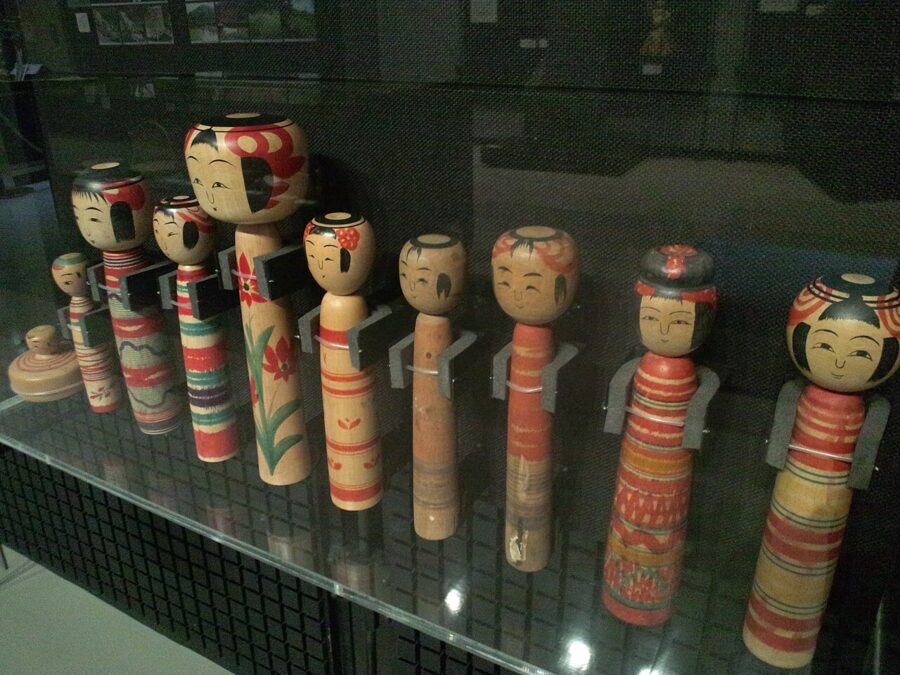

In Yamagata, Zao Takayu put Togatta’s big head and ribbons on a heavy body, while Hijiori mixed Naruko and Togatta into something bolder, with a bright yellow body. Further north, Tsugaru and Kijiyama dolls are turned from a single piece (tsukuritsuke), so the head never turns. Nanbu dolls are said to have started as babies’ teethers, and many are left unpainted.

How a kokeshi is turned and painted
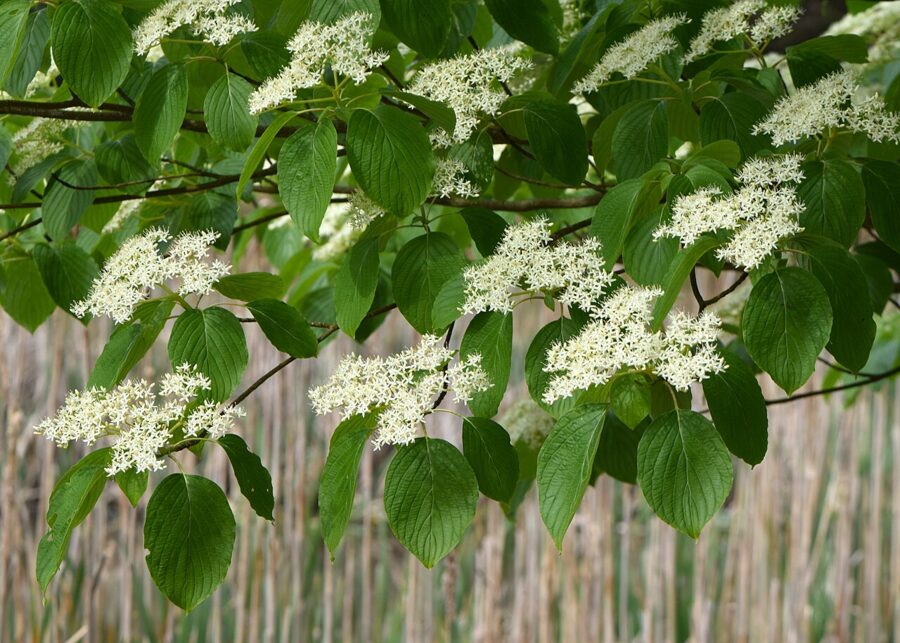
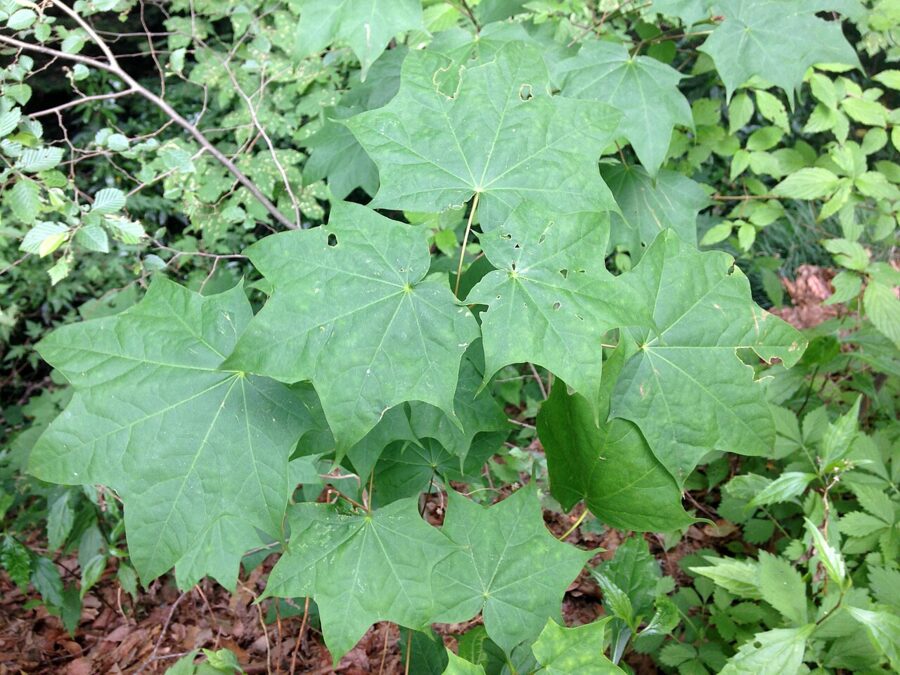
The wood is mostly mizuki (Cornus controversa, a dogwood) and itaya kaede (Acer pictum, a maple), pale, close-grained hardwoods from the Tohoku mountains; camellia, cherry and zelkova come in for darker color or grain. The Sakurai family in Naruko has replanted mizuki since 2019, as the trees near town thinned out with the makers who used to plant them.

A year of drying
The Sakurai workshop’s account starts in autumn, when the trees stop growing. Felled trunks keep their leaves for a while to draw out moisture, then come down before the snow, are stripped of bark by hand and stacked in open squares under a roof. The makers dig the stacks out after snowfalls and watch for spring cracking, when a warm day splits wood that dried too fast.
Before the rainy season the logs move indoors, are cut to doll lengths and dry again. A blank reaches the lathe about a year after the tree came down.
Turning, sanding, joining
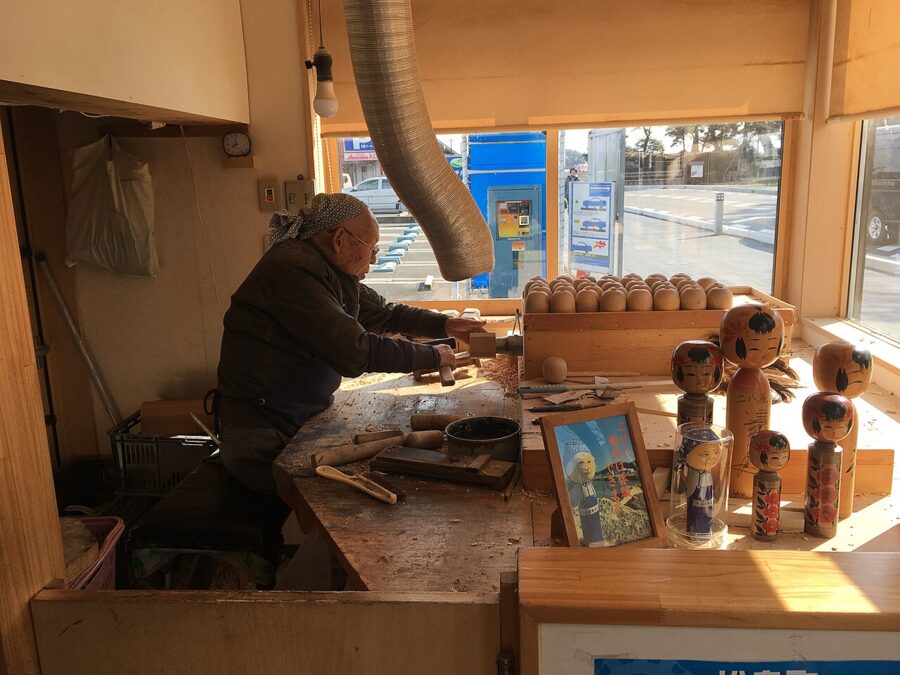
Head and body are turned separately with chisels and long kanna-bo bars that the makers make themselves, and some Naruko workshops still do their own forging, much as a knife smith would. Instead of sandpaper, the Sakurai family polishes with bundles of horsetail (tokusa) that it grows every year.
Then the head goes on. In Naruko the neck is forced into a hole in the spinning body in one push; friction softens the wood, it grips as it cools, and the joint squeaks ever after. Tsuchiyu uses the same method, and its tourism association notes that the wood smokes as it goes in.

The brush
Rings and stripes are painted with the brush held still against the turning doll, which is why they close perfectly. The face and flowers go on by hand in black, red and green dyes, and the doll is rubbed with wax; Sakurai uses wax-tree wax and beeswax. The Miyagi Zao Kokeshi Museum’s rule is that a traditional maker does every step alone, because painting a body someone else turned never comes out right.
Sizes are still counted in old units. A six-sun doll stands about 18 cm (7 inches), the size most workshops give you to paint; the old standard was a shaku, about 30 cm (12 inches).
Where to go
Sendai is the hub: Naruko, Togatta, Sakunami and Shiroishi are each a train or bus ride away.
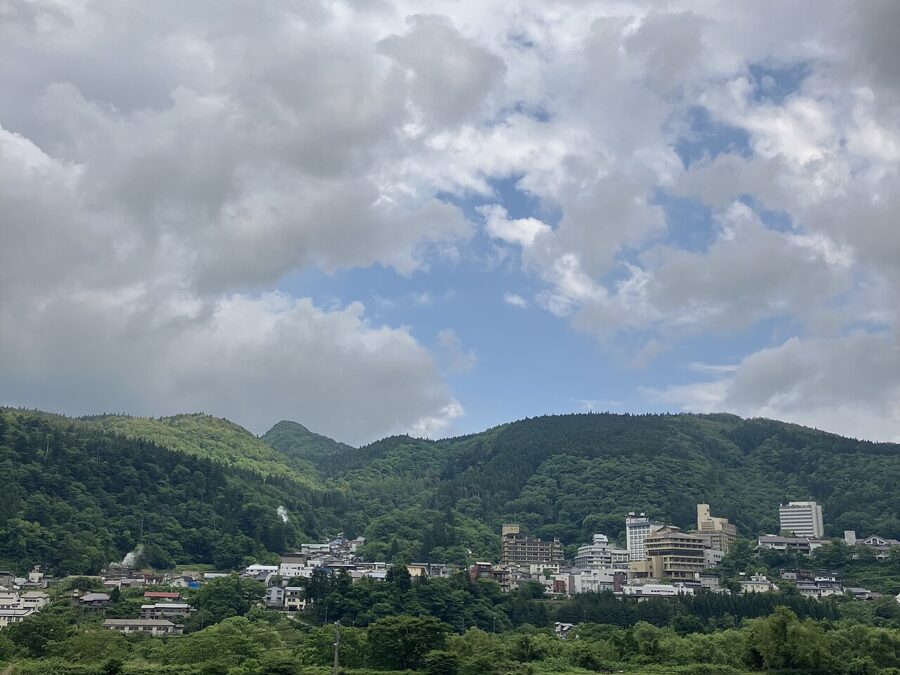
Naruko Onsen
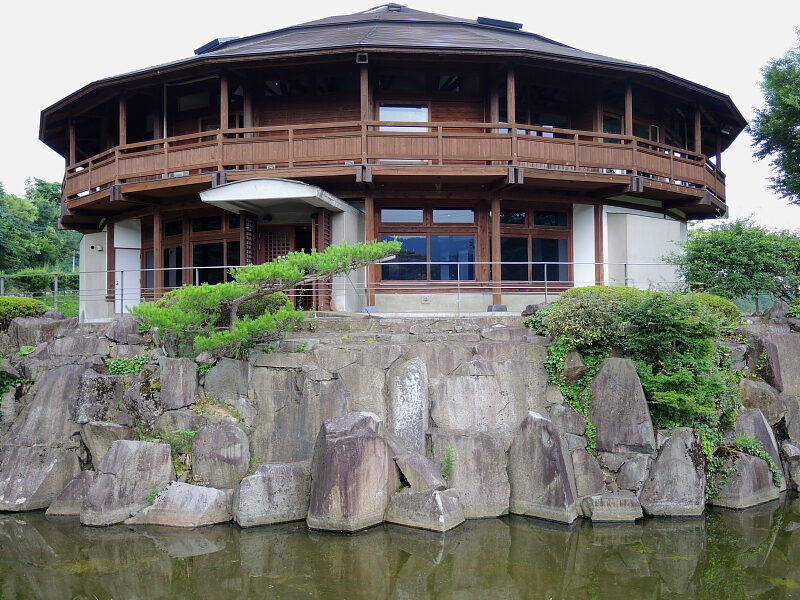
The Japan Kokeshi Museum opened in 1975 in Naruko Park, built around the collection of the poet Fukazawa Kaname and the dolls makers have offered to the town’s festival every year since 1957. As of November 2026 it opens daily from April 1 to December 31, 9:00 to 16:00 (last entry 15:30), and closes January to March. Adult admission is ¥500 (about $3).
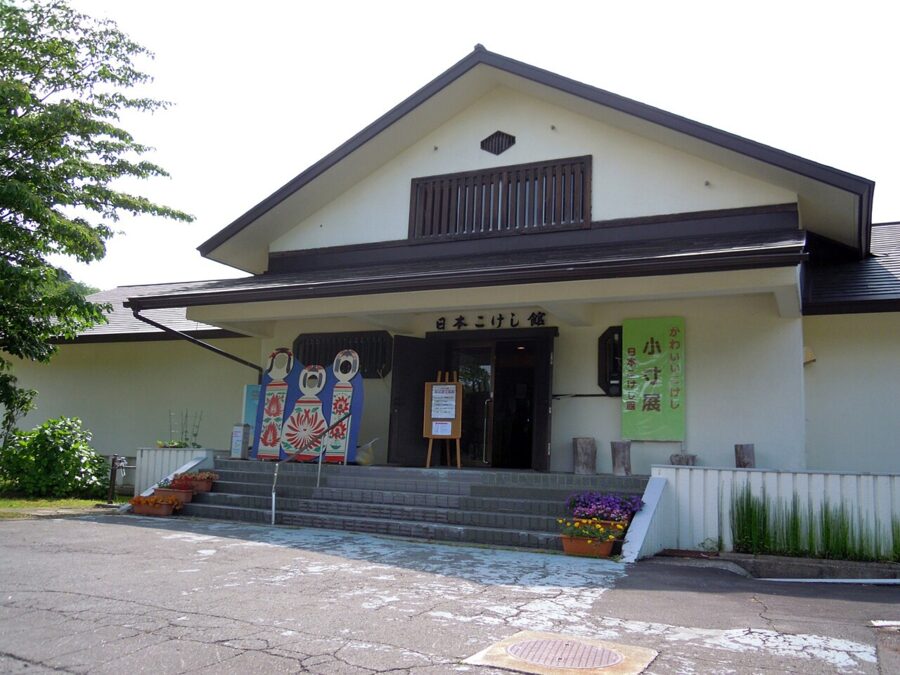

Go for the lathe. Through most of the season a different cooperative maker turns dolls in the museum each day, so you can watch a blank become a doll and buy one from its maker. In town, Sakurai Kokeshi is three minutes’ walk from Naruko Onsen Station, with its turning room open to the shop; as of November 2026 it opens 10:00 to 17:00 on weekdays and from 9:30 at weekends.
The Sakurai family has turned wood in Naruko since the end of the Edo period. Akihiro, the fifth generation, holds the record of three top prizes at the National Kokeshi Festival’s competition, and his son Naomichi won it in 2023. An earlier family master, Onuma Iwazo (1876 to 1950), left the line they still quote: kokeshi making is “a lifetime of practice.”

The National Kokeshi Festival fills the town each September. The 71st ran on September 5 and 6, 2026, with a memorial service for old dolls the day before, and moved its sales hall to the Naruko community center, so check the venue as well as the date.
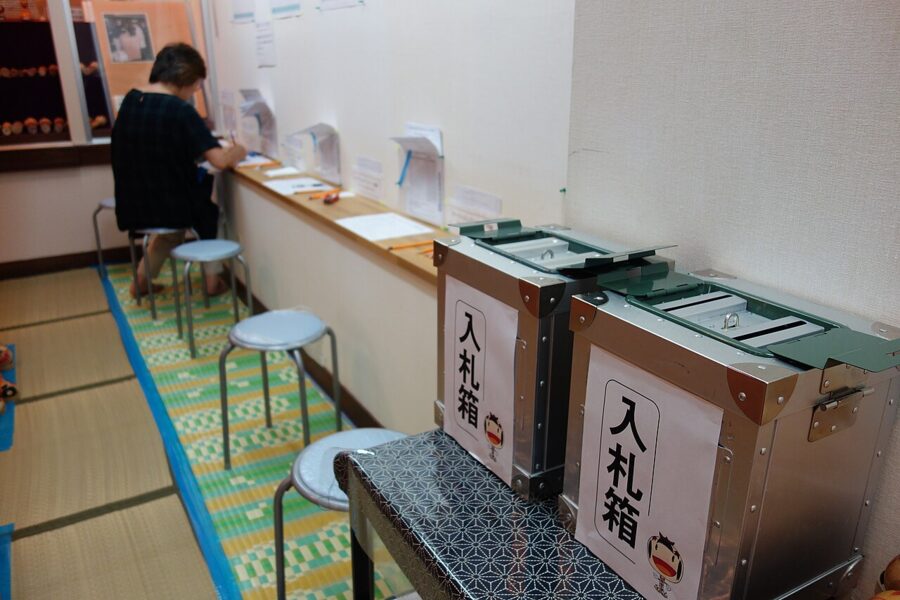

Togatta Onsen and the Miyagi Zao Kokeshi Museum
The Miyagi Zao Kokeshi Museum, opened in May 1984, shows about 5,500 kokeshi and turned toys by lineage, which it calls the largest display in the world. As of November 2026 it opens 9:00 to 16:00 (last entry 15:30), closing only from December 31 to January 2, and charges adults ¥350 (about $2). Highway buses from Sendai Station take about 70 minutes to the Togatta Onsen stop, ten minutes’ walk away.
Its list of local makers is a snapshot of the craft’s age: men born in the 1930s and 1940s alongside three newcomers who began training in 2016 and debuted in April 2019. On October 31, 2026 it hosted the sixth Togatta kokeshi festival, with makers from Naruko, Yajiro and Sakunami invited to sell.
Tsuchiyu Onsen
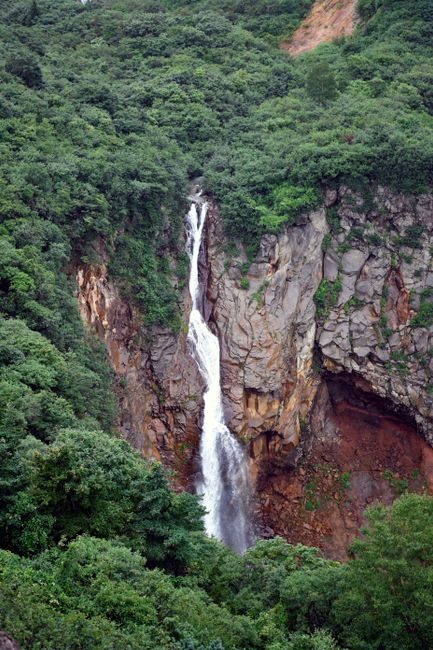
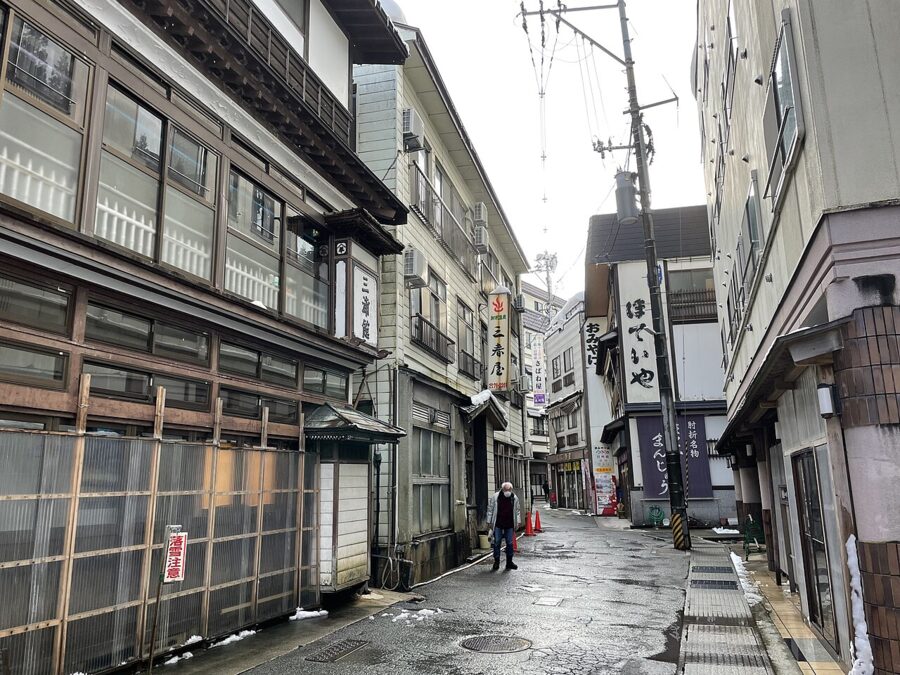
Tsuchiyu, in the mountains west of Fukushima city, lists its makers on the tourism association’s kokeshi page: Abe Kunitoshi, Konno Akihiro, Jinnohara Koki, Watanabe Takashi and Nishiyama Toshihiko. The association asks you to phone ahead to visit a workshop. Of three local stories for how turning arrived, the earliest has the lord Gamo Ujisato bringing turners from Omi in 1591; nobody knows which is true.

Sendai and Sakunami
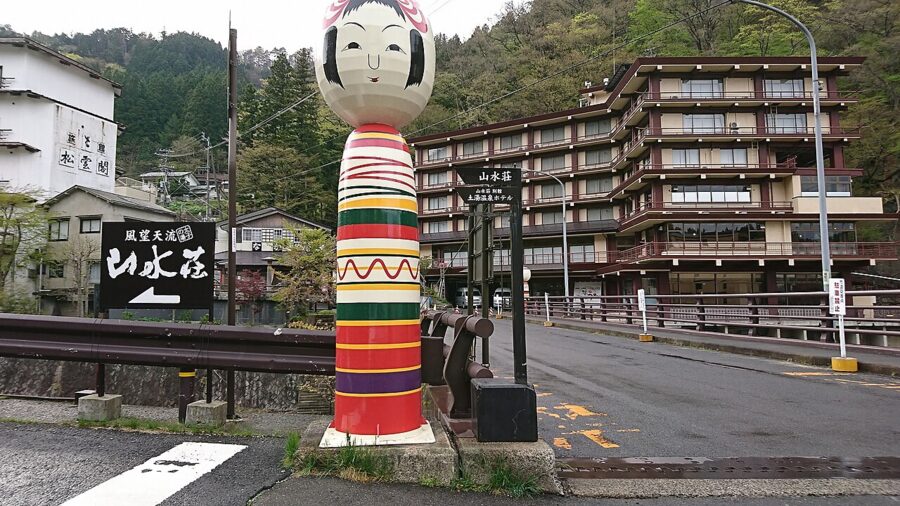
In the Ichibancho arcade, Kokeshi no Shimanuki sells traditional dolls by named makers and runs drop-in painting daily. It also offers torn-paper pictures in Yanagiu washi, Sendai’s hand-made paper, for anyone who has read about washi making.
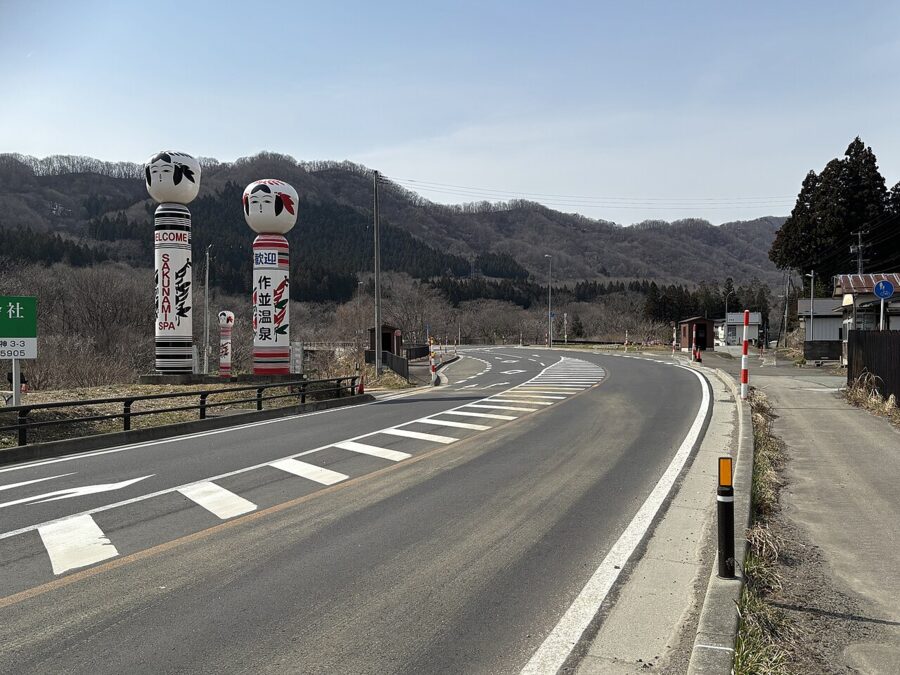
Sakunami Onsen is about 40 minutes west of Sendai on the local Senzan Line, then a bus or taxi. Hiraga Kokeshi, the family workshop just off Route 48 past the Iwamatsu Ryokan, keeps the Sakunami lineage going; Hiraga Teruyuki was among the invited makers at Togatta’s 2026 festival.

Shiroishi and the Yajiro makers
The Yajiro hamlet above Shiroishi has the Yajiro Kokeshi Village, a hall with displays and demonstrations. Shiroishi also hosts the All-Japan Kokeshi Competition each Golden Week; in 2026 it ran on May 3 and 4 at the city’s White Cube hall, with a Nakanosawa maker teaching visitors to paint faces.

Kuroishi, Hijiori and Gunma
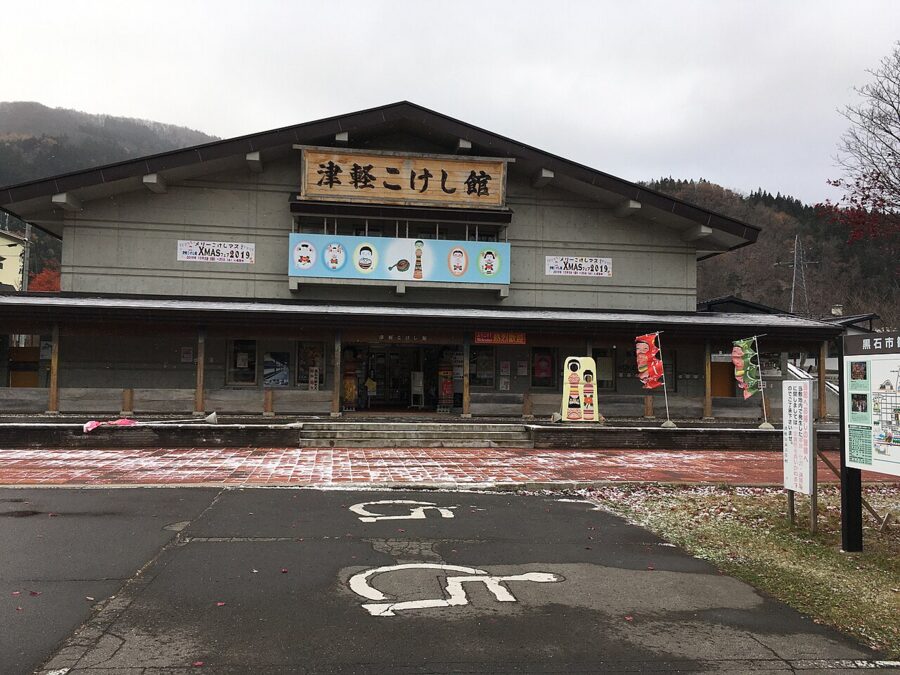
In Aomori, the Tsugaru Kokeshi-kan in Kuroishi shows about 4,000 kokeshi. As of November 2026 it opens 9:00 to 17:00, closing December 29 to January 3; the ground floor with its demonstrations is free and the upstairs collection costs ¥330 (about $2).
Hijiori Onsen in Yamagata is one of the smallest kokeshi homes. In Miyagi its lineage is carried on by Sato Shoichi, a descendant of Sato Shusuke, who moved from Hijiori to Sendai.

Usaburo Kokeshi in Shinto village, Gunma, is the creative branch at industrial scale. Its founder Okamoto Usaburo, born there in 1917, began making kokeshi in 1950, developed a way of carving and scorching the wood to give the painting depth, and in 1979 combined hand work with machines. The company calls itself Japan’s largest kokeshi maker; its catalog runs from classic bobbed girls to Hello Kitty, and a free gallery at the main store holds about 1,000 dolls.

Where to paint your own
Every class gives you a turned, unpainted doll to paint and take home the same day. The difference is who sits beside you. Prices and rules below are from each venue’s own pages as of November 2026.
| Where | What you do | Time | Price | Booking |
|---|---|---|---|---|
| Sakurai Kokeshi, Naruko | Full course: lathe rings on a hand-turned lathe, then painting; light course: painting only | 50 to 70 min; 30 to 45 min | ¥3,300 (about $22); ¥2,750 (about $18) | Online, fixed sessions; 5+ by inquiry |
| Japan Kokeshi Museum, Naruko | Painting, waxed and polished for you | Not stated | ¥1,500 (about $10) | Walk in; book for 5+ |
| Miyagi Zao Kokeshi Museum, Togatta | Painting with a maker’s guidance | Not stated | ¥1,000 (about $7), wax finish ¥100 extra | Walk in 9:00 to 11:00 or 13:00 to 15:00; book in school holidays |
| Matsuya Bussanten, Tsuchiyu | Painting at a maker’s shop | Not stated | ¥1,000 | Inquire by phone |
| Yumebutai visitor center, Tsuchiyu | Painting among 2,000 displayed dolls | Not stated | ¥1,100 (about $7) | Groups must book |
| Hiraga Kokeshi, Sakunami | An 18 cm doll, taught by the maker | 30 to 60 min | ¥800, cash | Phone 3 days ahead; up to 6; Japanese only |
| Kokeshi no Shimanuki, Sendai | Felt pens, six shapes, no instructor | 10 to 60 min | ¥1,000 creative; ¥1,100 traditional | Online or walk in daily |
| Tsugaru Kokeshi-kan, Kuroishi | Painting on the ground floor | Not stated | From ¥1,500 | Not stated |
| Usaburo Kokeshi, Gunma | Choose a shape, sketch, paint | 30, 60 or 90 min | ¥2,200 (about $15), ¥3,300 or ¥4,400 | Booking only, by email or a Japanese-language site; closed Wednesdays |
If you can get to Naruko, I would book the full course at Sakurai Kokeshi. Putting the rings on with a hand-cranked lathe is the one step that feels like the real trade, and the blanks come in four Naruko shapes, including the cradle-shaped ejiko.
For a maker at your elbow for the least money, Hiraga Kokeshi’s class is hard to beat, if someone can phone in Japanese three days ahead. The Zao museum’s painting room is the easy walk-in on a Togatta day, and the Naruko museum’s class sends you off with the doll waxed and shining.
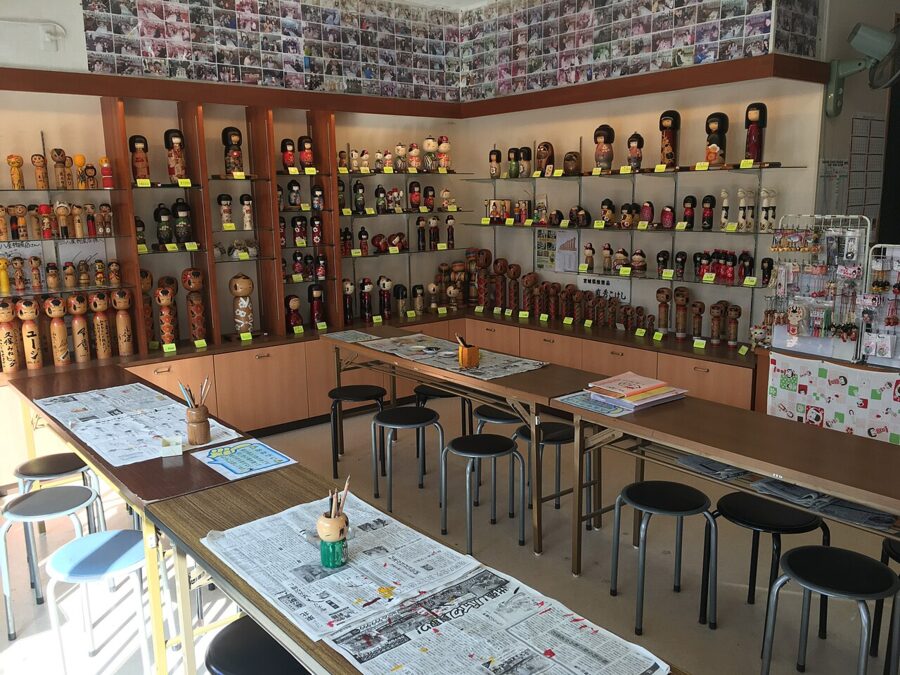

Shimanuki’s painting table in Sendai suits children and anyone short of time, but it is pens and samples, not a lesson. The Usaburo workshop in Gunma is the only one with an English booking page; reception closes at 14:30.
Buying from the makers
Buy where the dolls are turned. In Naruko, Togatta and Tsuchiyu many shops are the workshops themselves, and the museum shops sell dolls by named local makers. The Japan Kokeshi Museum suspended mail order after a 2025 price revision, so for its makers’ dolls you need to be there.
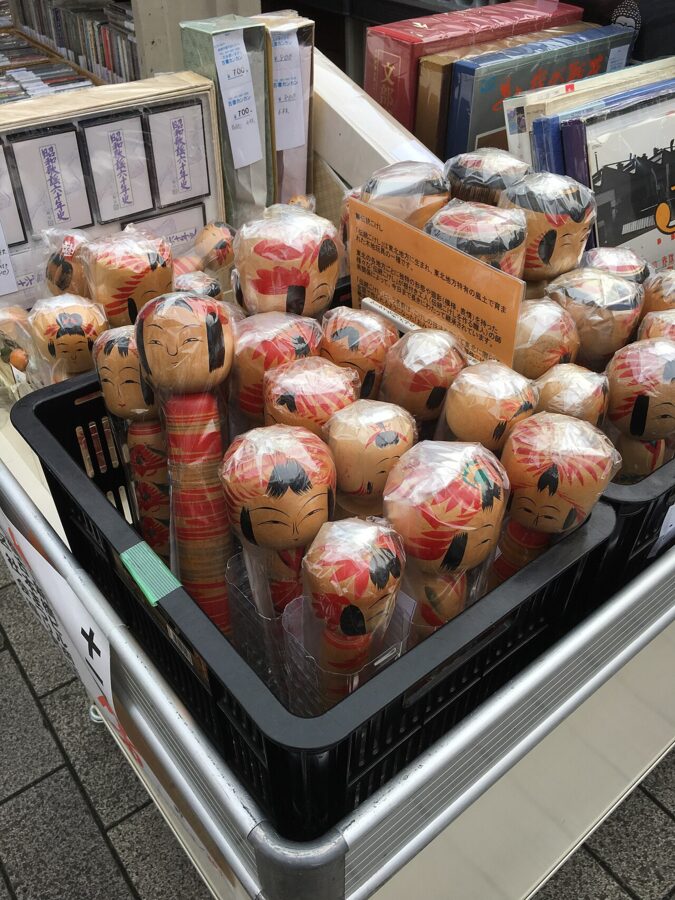
Prices are lower than most visitors expect. At Shimanuki, a palm-sized traditional doll by a named Yajiro maker, packed in a can with shavings from its own turning, costs ¥3,080 (about $21) as of November 2026. Usaburo’s character dolls run from ¥3,080 to ¥6,820 (about $45).
To tell a maker’s doll from a factory one, look at the base. Traditional makers have signed their dolls since the 1950s, usually underneath, often with the lineage. The rings should be crisp but a little uneven where the brush met the wood, the face painted rather than printed.

The region’s other crafts are in the story of the makers of Tohoku, and the wood thread continues in Japanese joinery.
Before you pay, turn the head. If it is a Naruko doll and it squeaks, someone drove that neck home on a spinning lathe; if it is a Tsugaru doll and the head will not move at all, that is right too, because it was cut from a single piece.