
Momofuku Ando made the first instant ramen in a backyard shed in Ikeda with a hand-cranked noodle machine, a steamer and a pot of hot oil. Sixty-eight years later, the company he founded will sell you the same afternoon for ¥1,200 (about $8): you knead the flour, roll the sheet, cut the noodles, and a member of staff flash-fries your block behind glass.

That class is one of several ways to make ramen in Japan. The two Cup Noodles museums in Yokohama and Ikeda teach the instant noodle. The Shin-Yokohama Ramen Museum teaches the fresh noodle, beaten out with a bamboo pole the way Chinese cooks did it before machines. And a handful of cooking schools in Tokyo, Osaka and Kyoto go all the way to broth, tare and chashu.
I would do at least two of them. The instant workshops are the most fun per yen in Japan. The fresh-noodle classes teach you why a good bowl in a ramen shop costs ¥1,200 and not ¥200.
In this article
How a bowl of ramen is put together
Every bowl of ramen has four parts, and a ramen cook thinks about them separately: the noodle, the broth, the tare (the concentrated seasoning that goes into the bowl first) and the toppings. Many shops add a fifth, a flavored oil that floats on top. Each class below picks some of those parts for you to make and buys in the rest.
The noodle and its kansui
What makes a ramen noodle a ramen noodle is kansui (かん水), alkaline mineral water mixed into the wheat dough. It turns the noodle yellow, firms the bite and lets it sit in hot soup without going soft. The Shin-Yokohama Ramen Museum’s history of ramen in Japan traces a noodle made with kansui to a record from 1488, and dates the first Japanese-run kansui makers to 1923, in Yokohama and in Fukagawa in Tokyo.
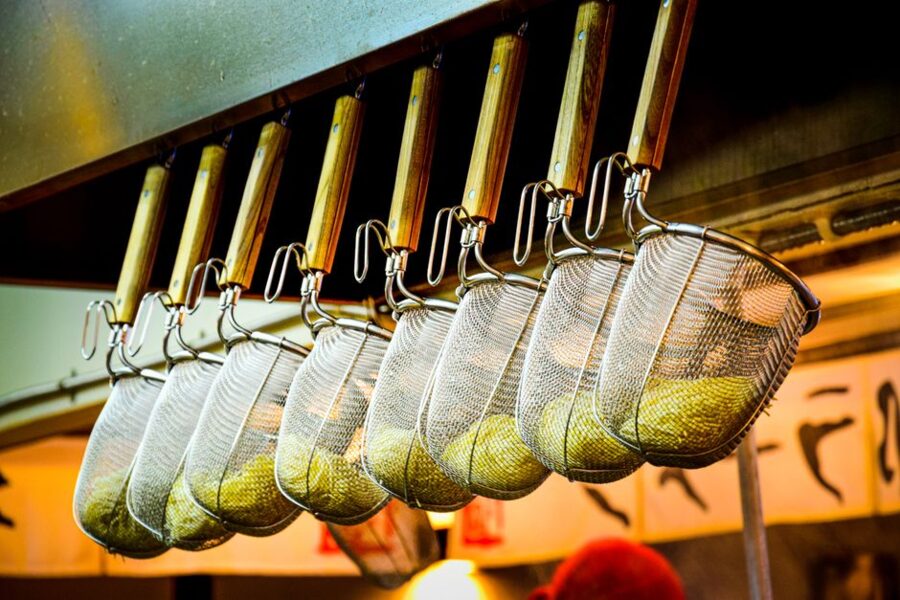
Thickness and water content decide the rest. Thin, low-water noodles suit a fatty pork-bone soup and cook in under a minute; thick, wavy, high-water noodles hold up to miso. Many shops buy noodles from a specialist maker: Rokkakuya 1994+, the Iekei revival at the Shin-Yokohama museum, names Sakai Seimen as its supplier.

Broth, tare and oil
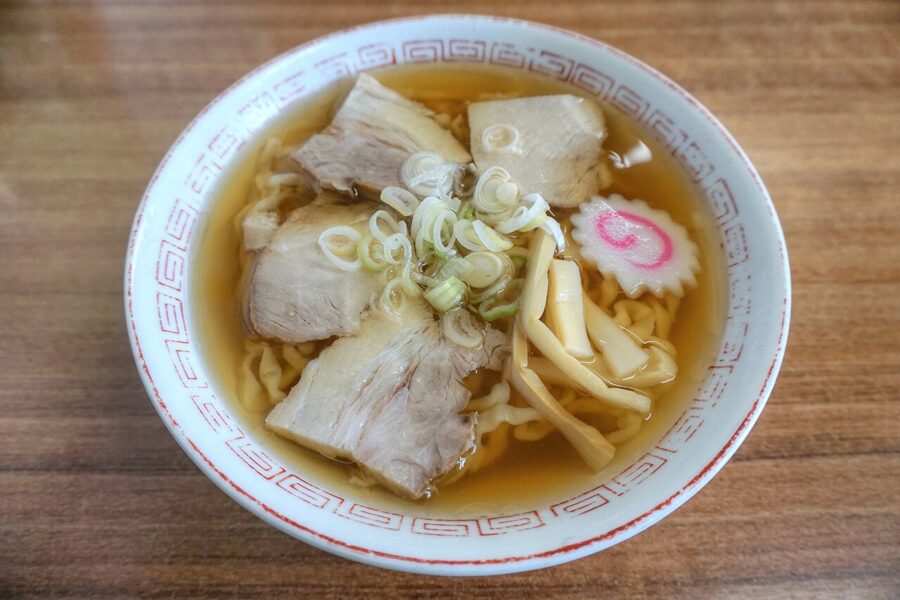
The broth carries the body: pork bone, chicken, fish, kelp, or a blend. The tare carries the salt and decides the name on the menu (shoyu, shio or miso), so a shoyu ramen and a shio ramen can share the same pot of stock. The oil carries the aroma.
The clearest example on any menu right now is Shindo Ramen, the Thai guest shop at the Shin-Yokohama museum. Its shop page lays out all three layers: a stock of whole Nagoya Cochin chickens, pork and a large quantity of clams, finished with Rausu kelp and dried shiitake; a tare of reduced clam stock with fish sauce, oyster sauce and several Japanese soy sauces; and two oils, one from mussels and one from chicken fat with dried sardines.
Toppings
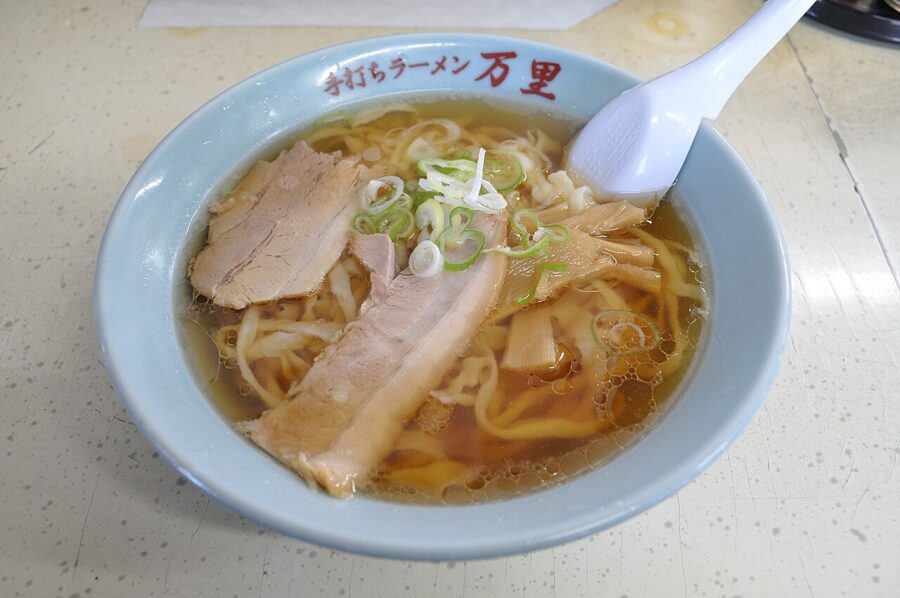
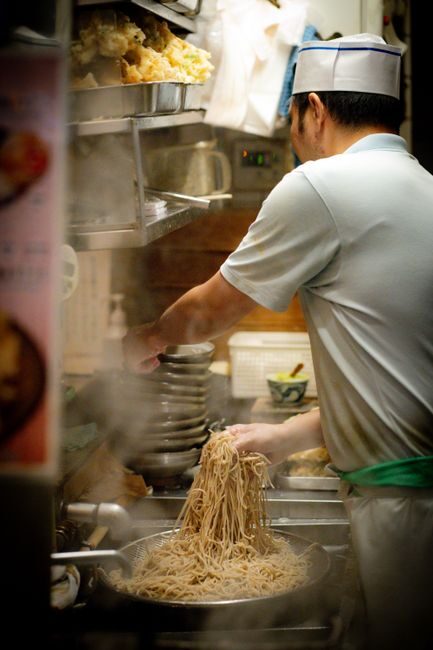
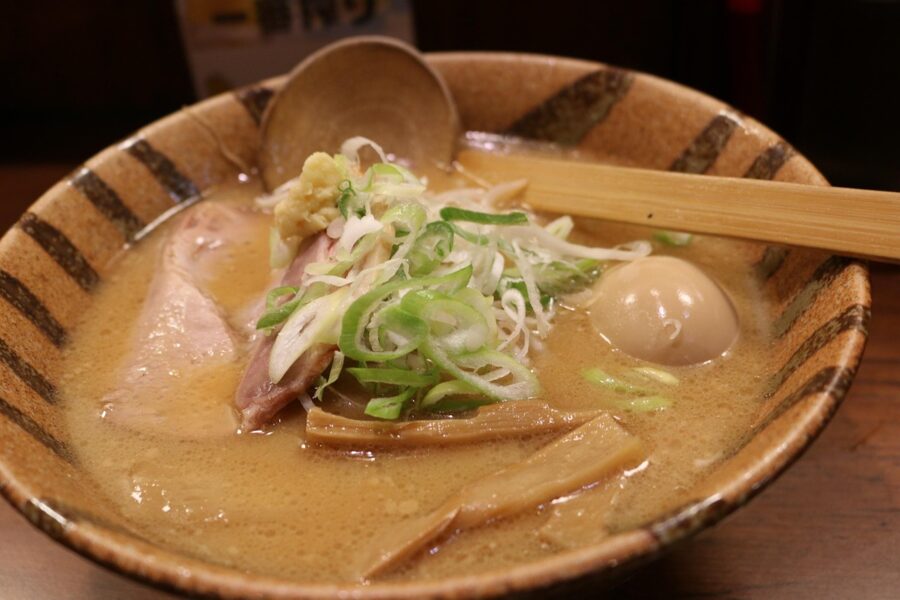
Chashu (braised or roasted pork), menma (fermented bamboo shoot), green onion, nori and a soft egg marinated in soy are the standard set. A broth worth the name takes most of a day, so even good classes pre-make it and teach you to finish it.
The shed in Ikeda, 1958
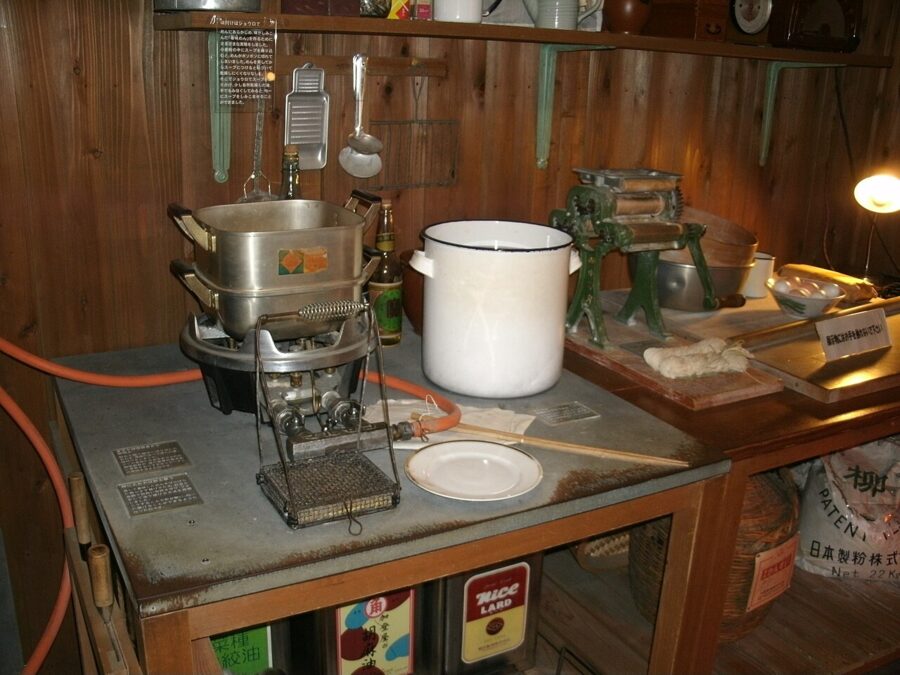
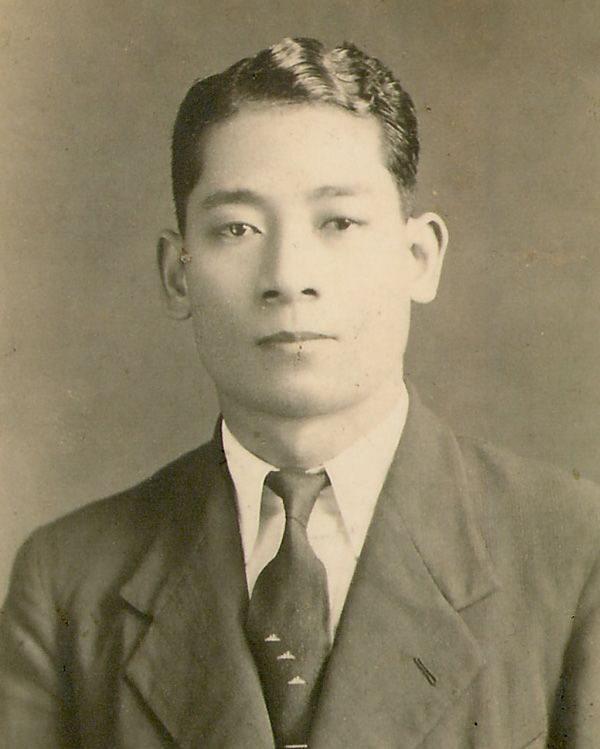
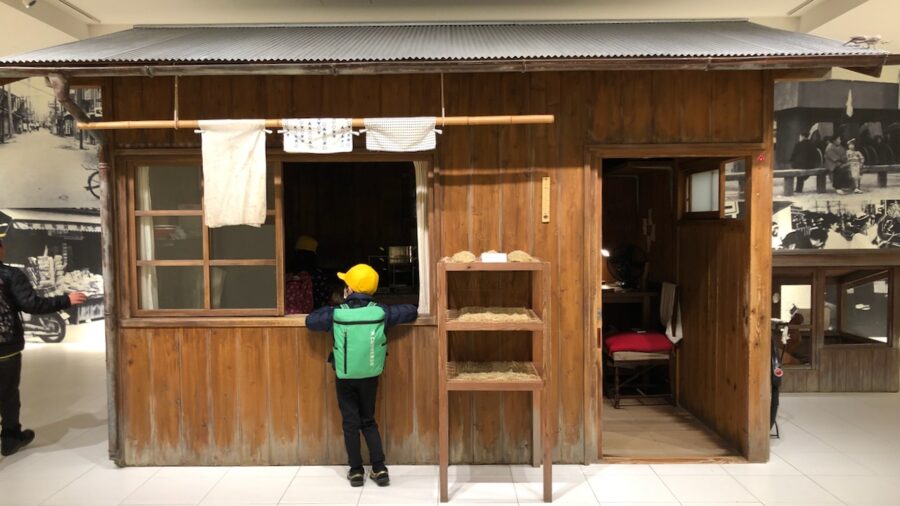
Momofuku Ando was born on March 5, 1910, and spent a year in a small shed behind his house in Ikeda, north of Osaka, trying to make ramen that a household could cook by adding hot water. In the company’s own account he worked alone, slept four hours a night and took no days off for that year.
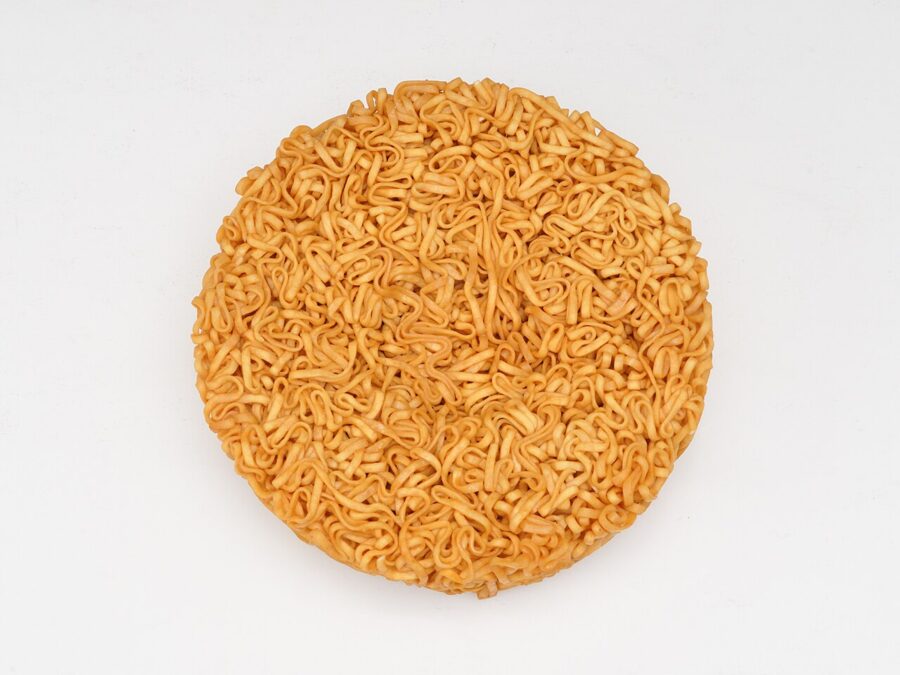
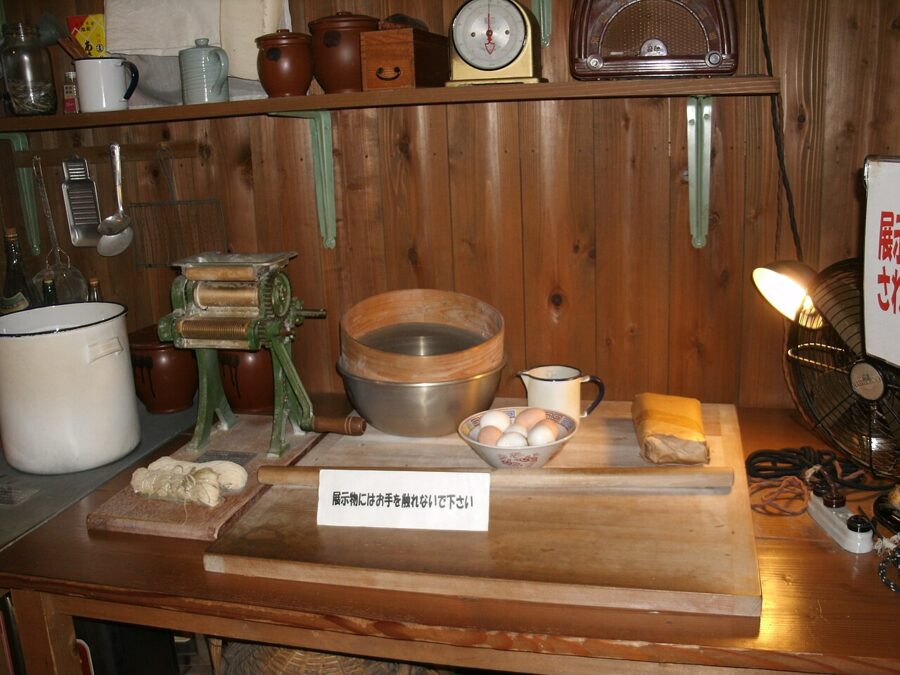
The answer was frying. Seasoned, steamed noodles plunged into hot oil lose their water in seconds, leaving tiny holes that let hot water back in. Nissin calls it the instant hot-oil drying method. The Ikeda museum’s recreation of the shed shows the scene just before dawn on March 5, 1958, his birthday, the morning he knew the method worked.

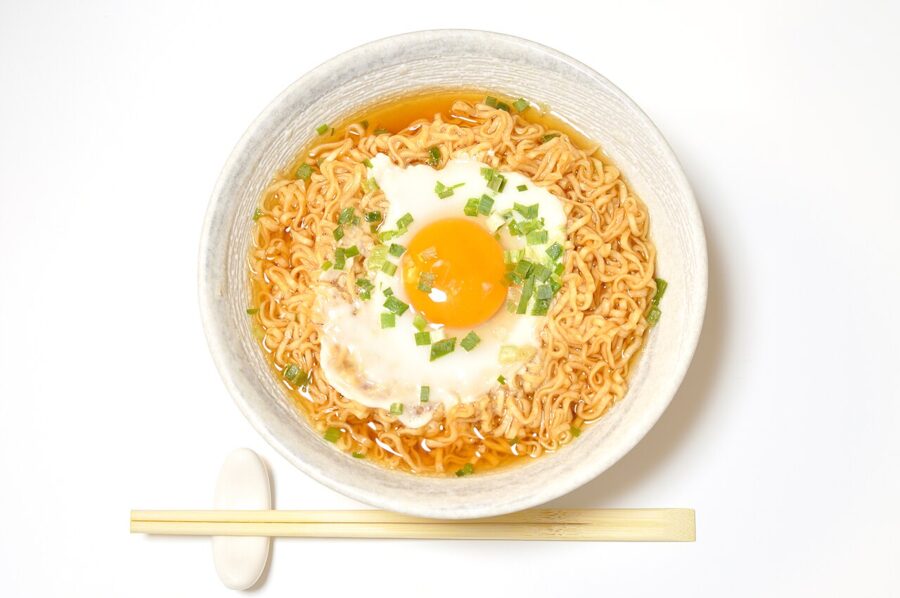
Chicken Ramen went on sale on August 25, 1958, and was sold as “magic ramen”. The Nissin company history follows it to Cup Noodles on September 18, 1971, the idea coming from American supermarket managers Ando watched breaking noodles into cups and eating them with forks. By the 50th anniversary in 2021, Nissin counted more than 50 billion Cup Noodles sold in about 100 countries.
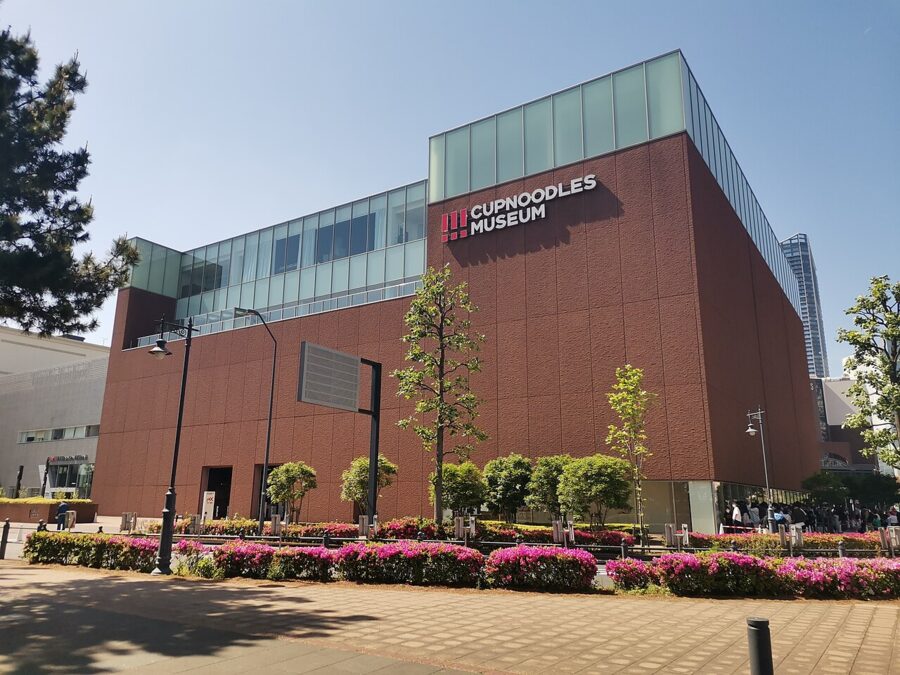
CUPNOODLES MUSEUM YOKOHAMA
The Yokohama museum opened in September 2011 on the Shinko waterfront in Minato Mirai, with the designer Kashiwa Sato as general producer. Admission is ¥500 (about $3) for adults and free for high school age and younger, and there is no advance sale of admission alone.
Hours are 10:00 to 18:00, last entry 17:00, closed Tuesdays (the next day when Tuesday is a national holiday) and over the New Year, as of November 2026. The admission page lists every attraction fee. It is an 8-minute walk from Minatomirai or Bashamichi station on the Minatomirai Line and 12 minutes from JR Sakuragicho.
Chicken Ramen Factory
This is the workshop to book. You knead flour by hand, run the dough through a noodle machine to thin the sheet, cut it into noodles, and staff steam them. While they steam you design your own package; then you loosen the noodles, season them and press them into a block, and staff fry it in front of you behind glass. You take home a block of Chicken Ramen that keeps for a month, plus a Hiyoko-chan bandanna.
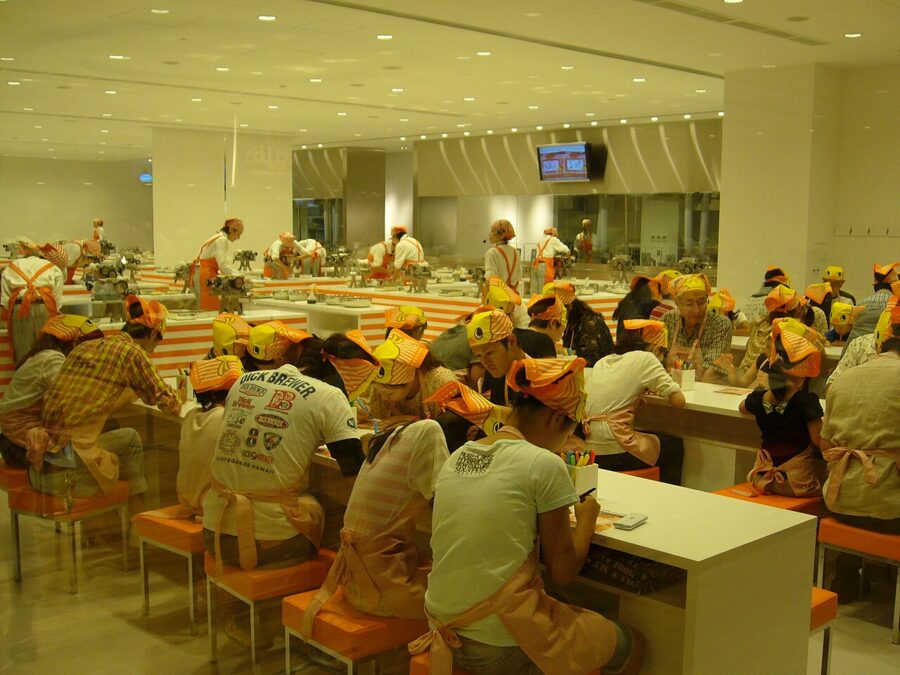

The Chicken Ramen Factory costs ¥1,200 for junior high age and up and ¥600 (about $4) for elementary school children, paid on the day at the third-floor counter, plus admission. Sessions run 70 minutes at 10:15, 11:00, 11:45, 13:15, 14:00, 14:45, 15:30 and 16:15, with up to 48 people each. Reservations open online or by phone at 10:00 three months before the date.
Two rules catch visitors out. You work in pairs, so a solo traveler cannot book; and children must be of elementary school age, with first to third graders paired with someone of junior high age or older. There is no vegetarian version, and the listed allergens are egg, dairy, wheat, soy, chicken and sesame.
My CUPNOODLES Factory
Here you buy a blank cup for ¥500 from a vending machine, draw on it, then choose one of four soups (Cup Noodles, curry, seafood or chili tomato) and four of twelve toppings at the counter. The museum counts 5,460 possible combinations. Staff seal and shrink-wrap the cup, and you pump air into a plastic bag around it so it survives the trip home.
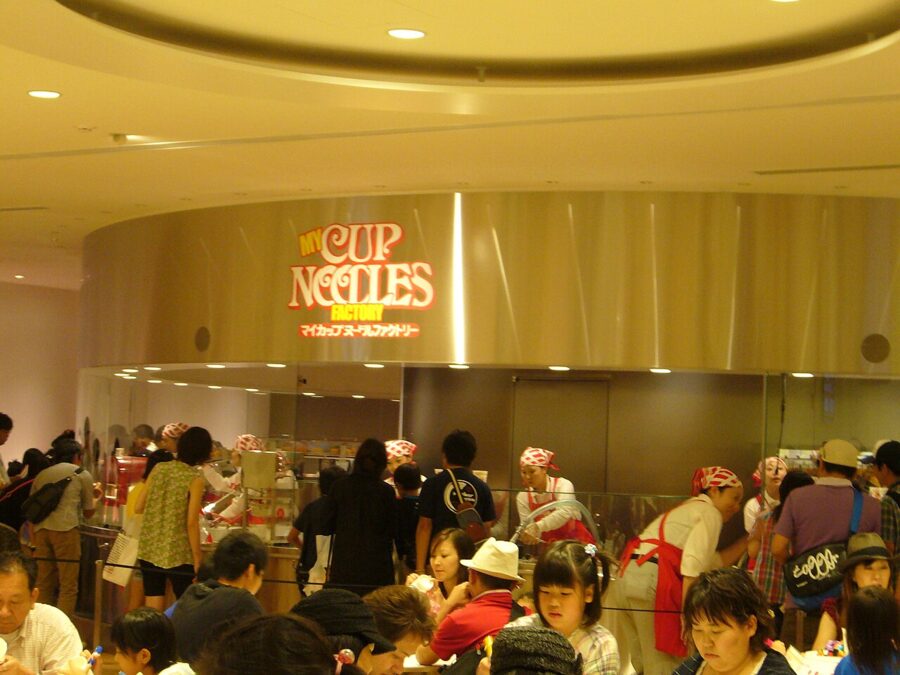

In Yokohama the My CUPNOODLES Factory runs on time slots. Either you take a free numbered ticket for a slot on arrival, in order of entry, until they run out, or you buy the admission ticket with a My CUPNOODLES Factory voucher online: ¥1,000 (about $6) for adults and ¥500 for high school age and younger, covering entry and the cup. Those go on sale at 10:00 on the first of each month for the following month and close at midnight the day before; each person may make one cup. Since October 1, 2026, a fold-up anniversary box, limited to 150,000, can replace the air package.
Can you do it the same day without booking? Yes, if numbered tickets are left; the museum posts each slot’s availability on its site through the day. On a Saturday I would buy the voucher.
The rest of the building
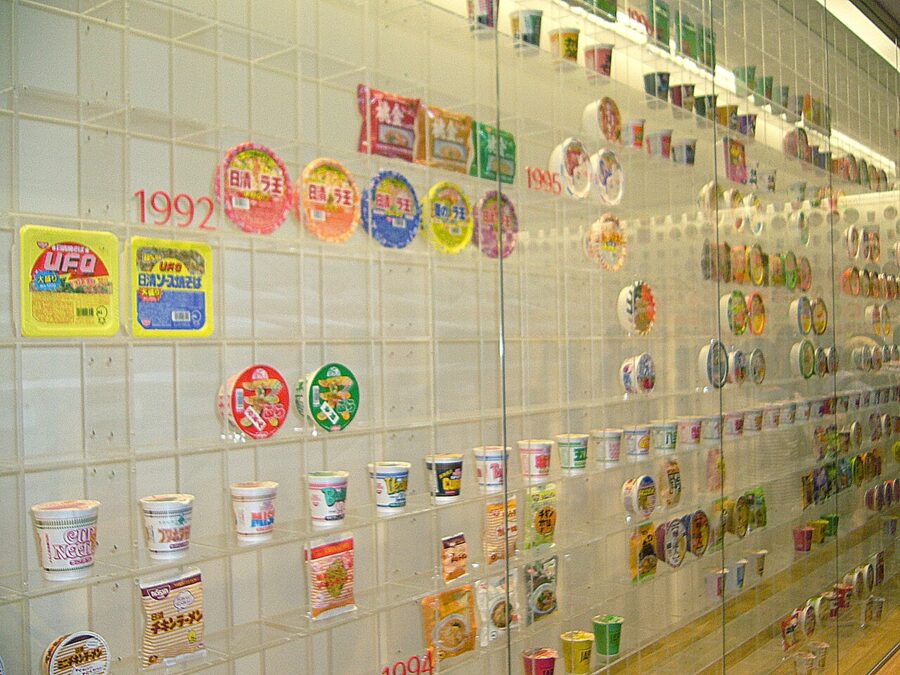

The exhibition floors cover Ando’s life on a 58-meter illustrated panorama, his work shed and the History Cube, and the museum suggests about an hour for them; with both workshops, plan on half a day.
On the fourth floor, NOODLES BAZAAR serves half bowls of eight noodle dishes from Italy to Indonesia for ¥500 each, and a mini Chicken Ramen for ¥250 (about $2), from 11:00 to 18:00. The shop sells museum-only goods and Nissin noodle sets, but not the Cup Noodles sold abroad.

CUPNOODLES MUSEUM OSAKA IKEDA
The older museum opened on November 21, 1999, as the Momofuku Ando Instant Ramen Museum, in the town where the shed stood. It is smaller, quieter and free: there is no admission charge, only the workshop fees. It opens 9:30 to 16:30, last entry 15:30, closed Tuesdays and over the New Year, as of November 2026.
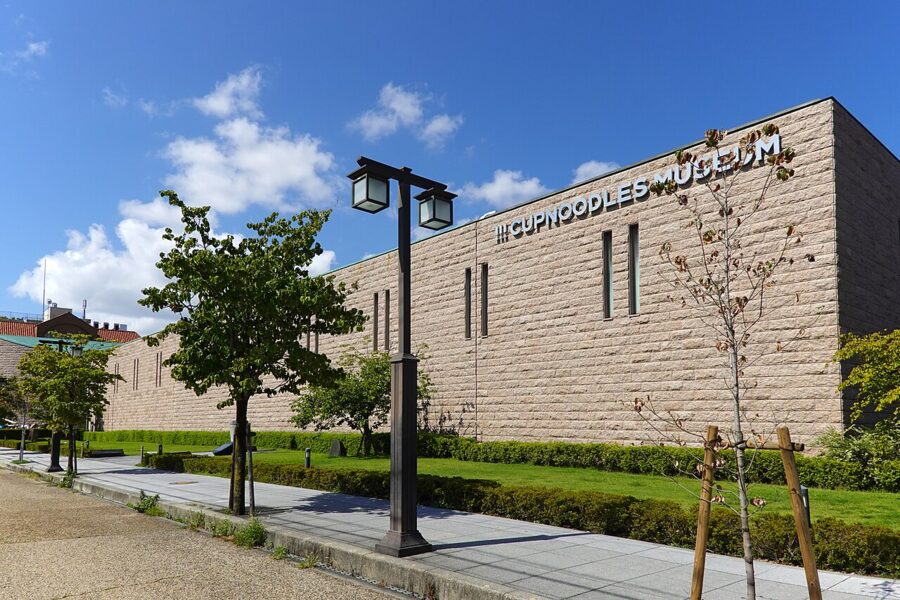

The same two workshops run here at the same prices. The Ikeda Chicken Ramen Factory has five 70-minute sessions, at 9:40, 10:50, 12:00, 14:00 and 15:10, and books the same way, from 10:00 three months ahead. In Ikeda an odd-numbered group can book, and the extra person works alone. For a same-day place, ask at the desk on arrival; the museum does not take day-of bookings by phone or online.
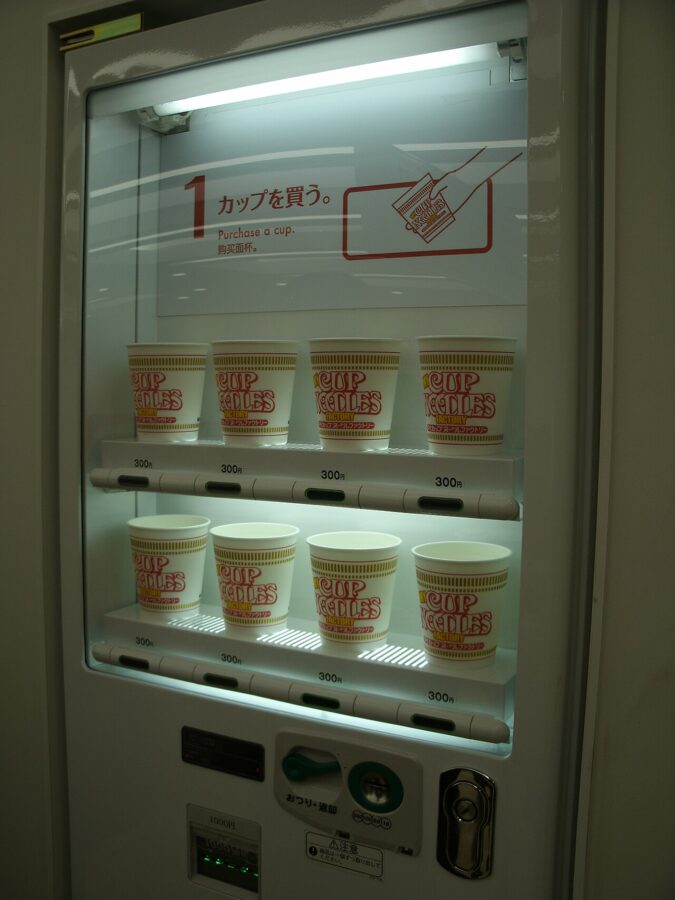

My CUPNOODLES Factory in Ikeda takes no advance bookings at all. Numbered tickets are handed out at the entrance, first come, first served, and you can make up to three cups when it is quiet. Tickets bought online for Yokohama are not valid here.
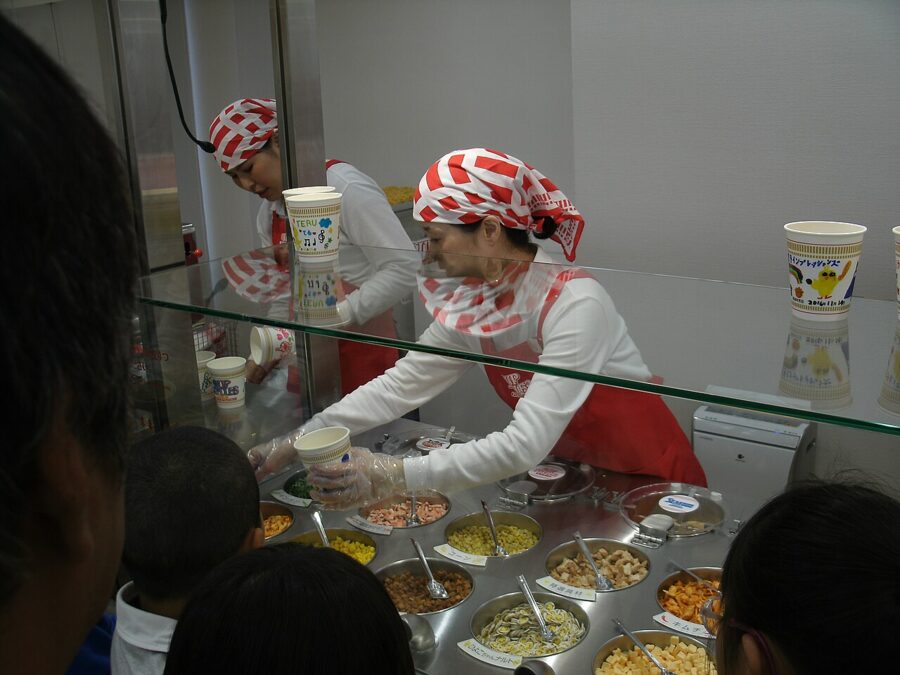

Allow about 30 minutes for the exhibits, which include a tunnel of roughly 800 instant noodle packages and the recreated shed. The tasting room closed in 2020 and there is nowhere to eat inside, so have lunch near the station. From Osaka-umeda, the Hankyu Takarazuka Line reaches Ikeda in about 20 minutes by express.
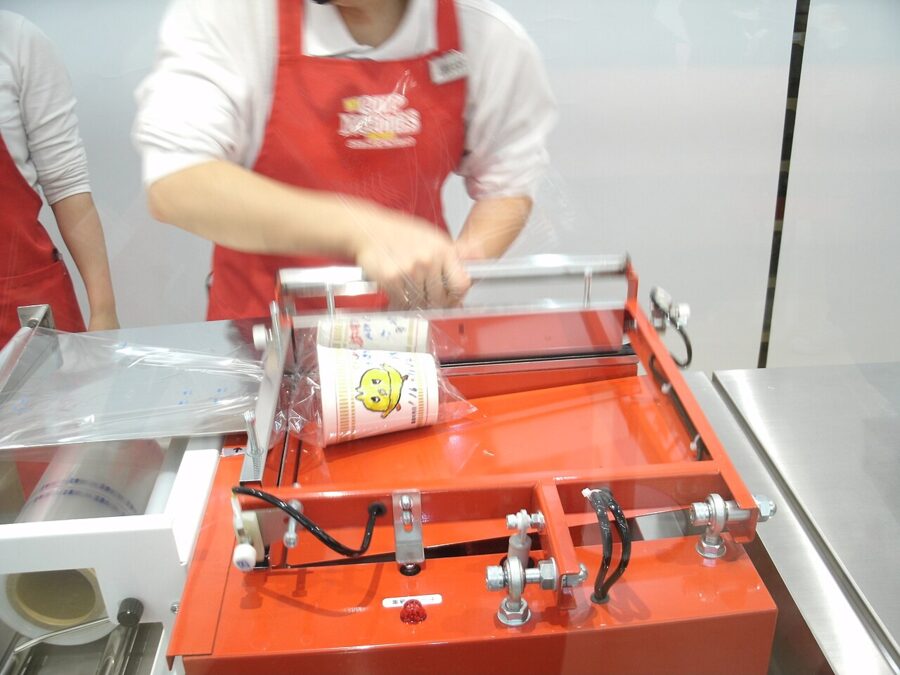

Yokohama or Ikeda?
If you are based in Tokyo, go to Yokohama; if you are in Osaka or Kyoto, go to Ikeda. The workshops are the same, the prices are the same, and neither is worth a long detour from the other. Yokohama has more to do (the children’s play area and the noodle bazaar), and Ikeda has the history in its streets and costs nothing to enter.
Is either worth going to without the workshops? Ikeda, briefly, if you are nearby. Yokohama, only with children or with a booking. The museums exist to get you making something, and the exhibits are the waiting room.
Shin-Yokohama Ramen Museum
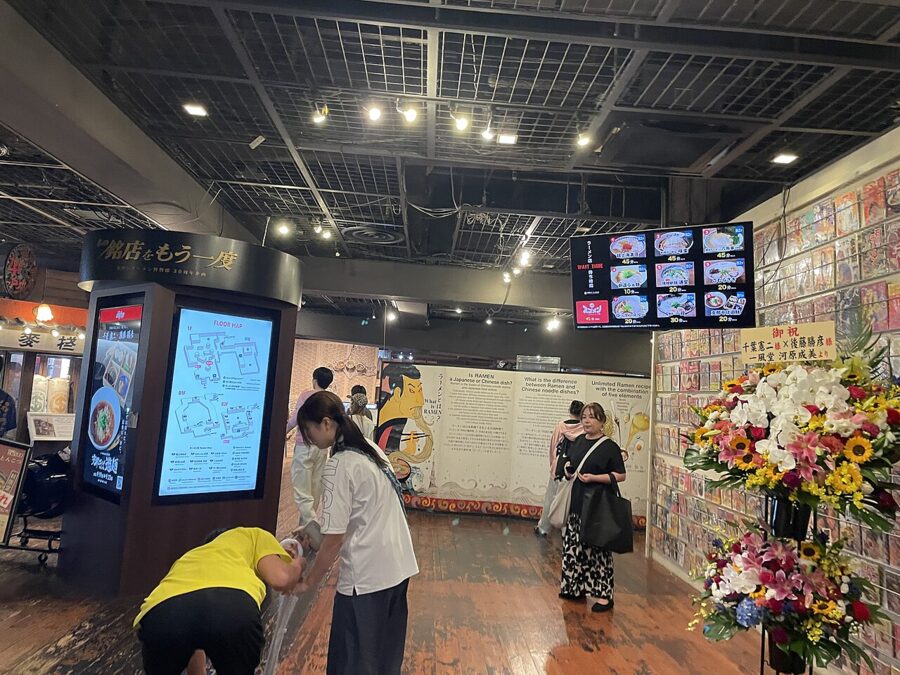
The Shin-Yokohama Ramen Museum opened on March 6, 1994, and is less a museum than a food hall built as a stage set. The two basement floors recreate a Japanese street at dusk in 1958, the year Chicken Ramen went on sale, and the shops along it are real ramen shops from around Japan and abroad. The ground floor holds the gallery, the shop and the noodle-making classroom.
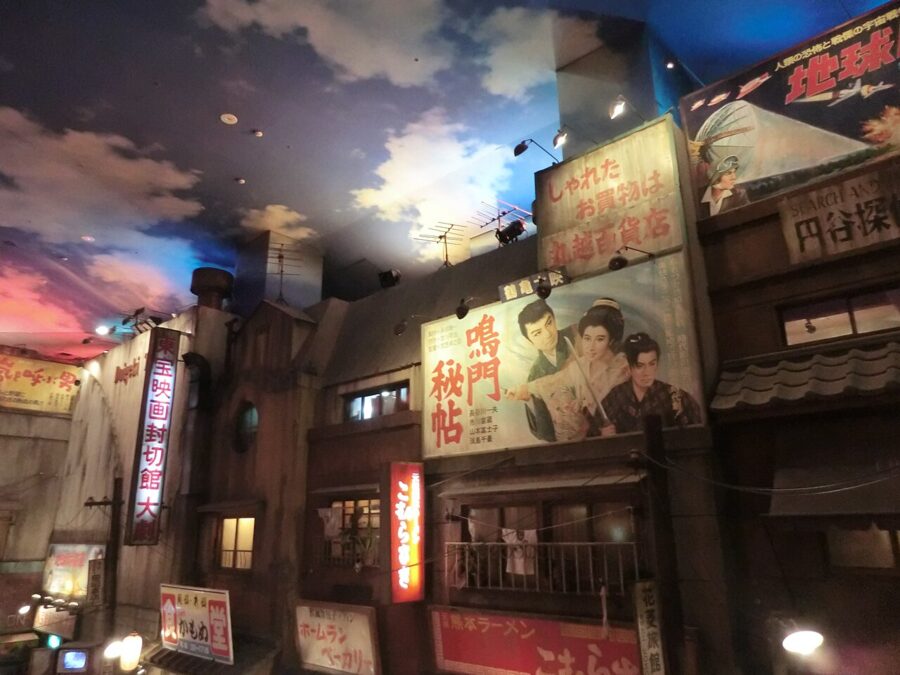

Admission is ¥450 (about $3) for adults and ¥100 (under $1) for school-age children, free under school age, as of November 2026. It opens 11:00 to 21:00 on weekdays and 10:30 to 21:00 at weekends and on holidays, closed only on December 31 and January 1, and it is a five-minute walk from Shin-Yokohama Station.
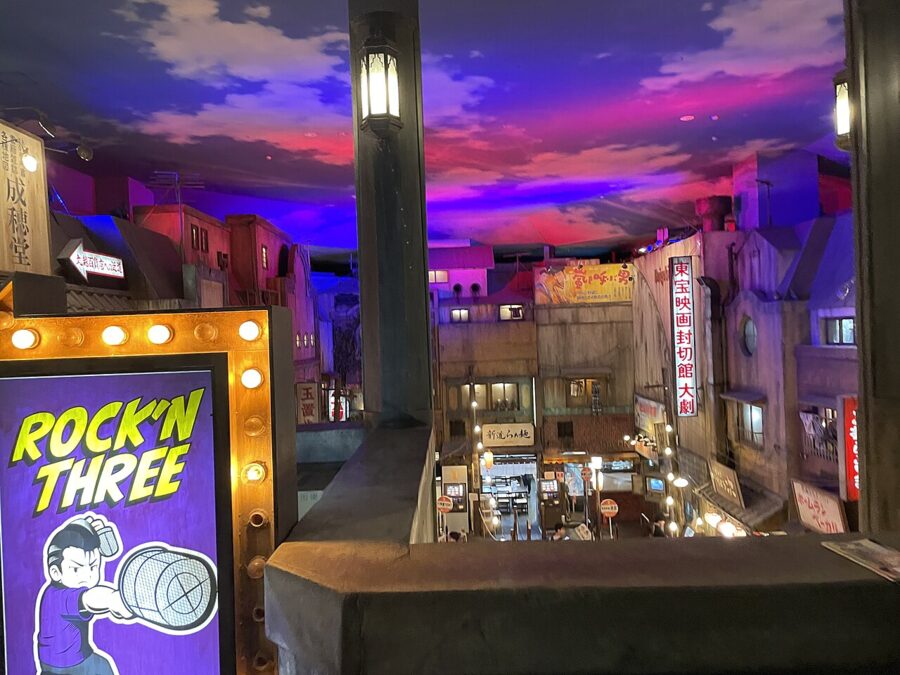

The shops, as of November 2026
The museum’s own list currently names eight shops. Komurasaki, the Kumamoto pork-bone shop founded in 1954, is the only one that has been here since opening day. Ryu Shanghai Honten brings the spicy miso ramen of Akayu in Yamagata, a style the museum dates to 1960, and Rishiri Ramen Miraku brings a scorched-soy bowl built on Rishiri kelp from northern Hokkaido.
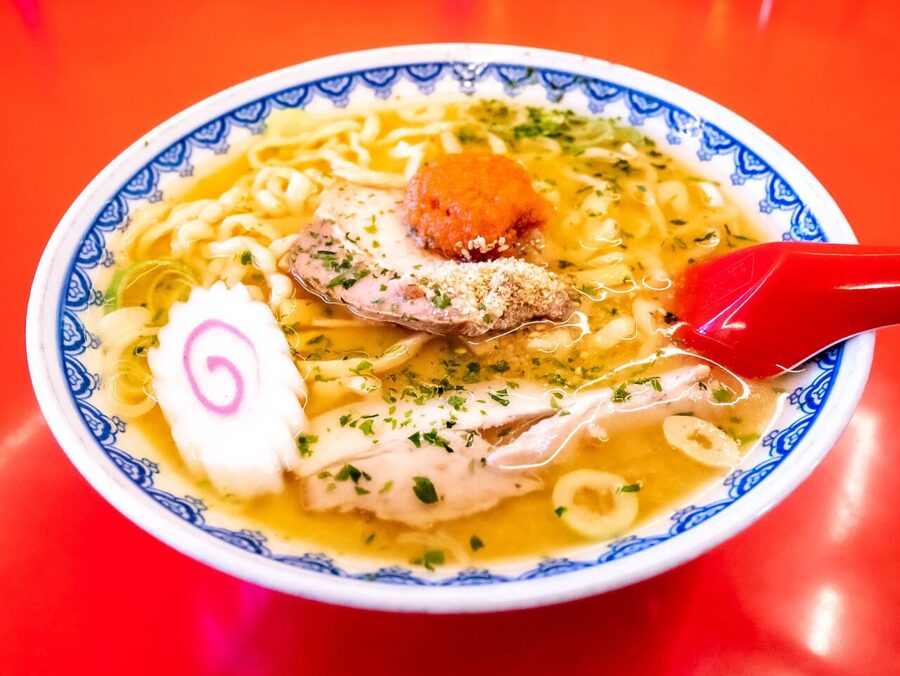

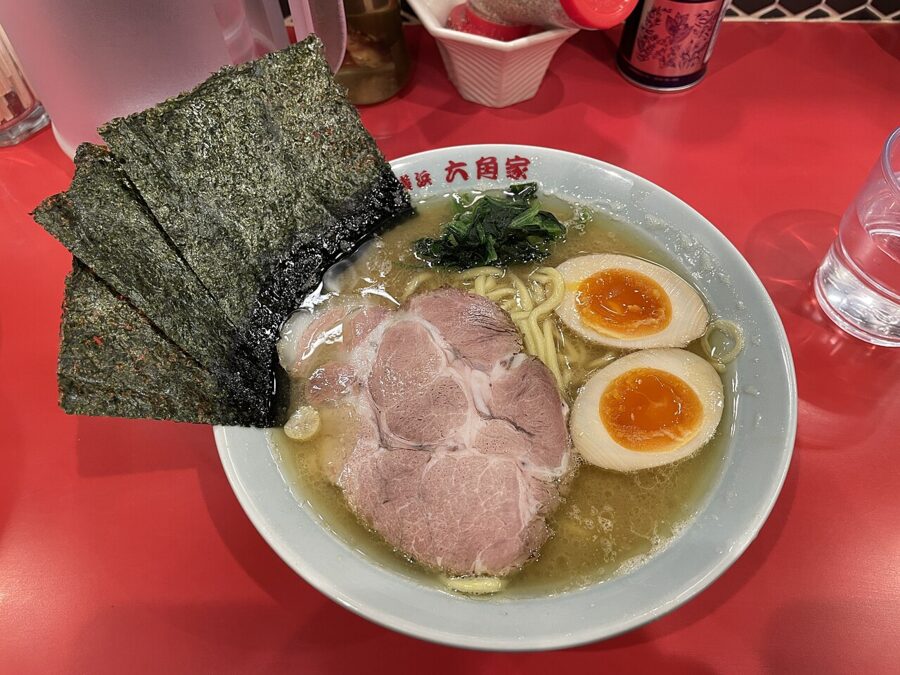

Rokkakuya 1994+ revives one of the three big Iekei chains of Yokohama. Ryukyu Shinmen Tondou serves an Okinawan salt ramen, Hakata Issou the foamy pork-bone soup it calls “tonkotsu cappuccino” in its first branch outside Fukuoka, and Rock’n three is the stage for Junichi Shimazaki, known for chicken-and-water ramen and kelp-water tsukemen. Shindo Ramen, from outside Bangkok, is on a run of about a year. There is a vegetable ramen counter and a gluten-free option too.
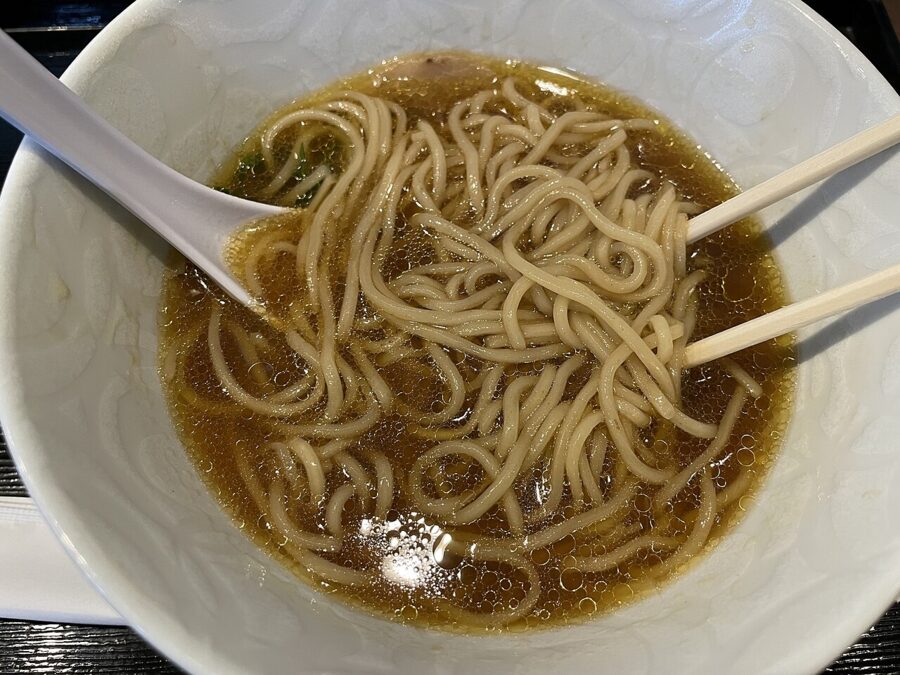

Every shop serves a mini bowl about three-fifths of a regular one, and everyone from junior high age up must order at least one bowl per shop they sit in. You cannot share or carry a bowl between shops. Three minis lets you compare broths properly.
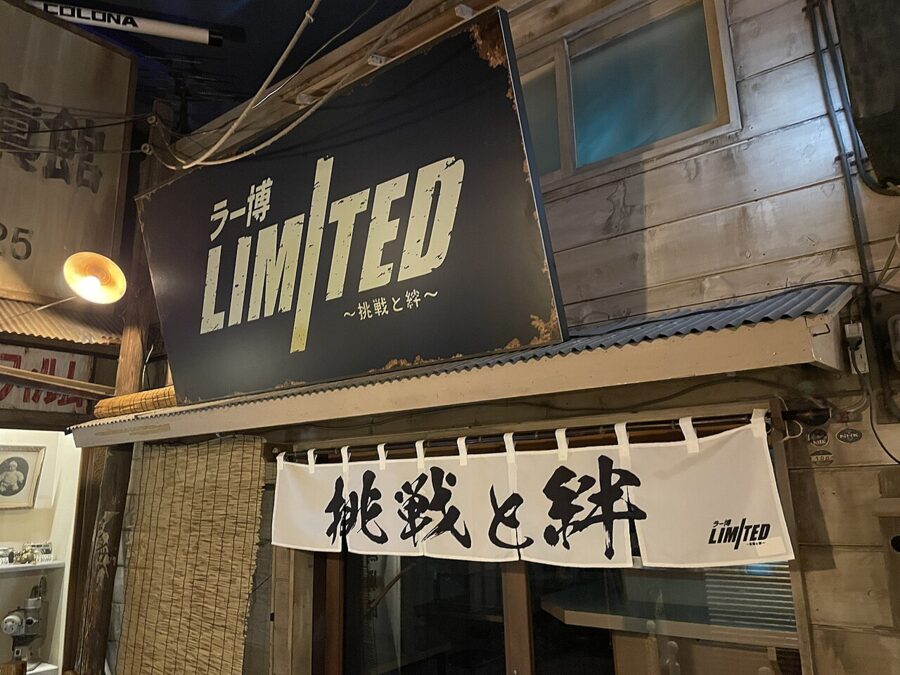

If you are in Japan this winter, time it for Shina Soba-ya UNITED, from November 25 to December 24, 2026, in the Ra-haku Limited booth. Shina Soba-ya, opened by Minoru Sano in Fujisawa in 1986, turned 40 in August 2026, and the shops founded by his apprentices take turns of two or three days each, including a revival of the miso ramen from the Kugenuma years. From November 25 the museum also lets annual pass holders in before ticket buyers at opening time.
Making noodles with a bamboo pole
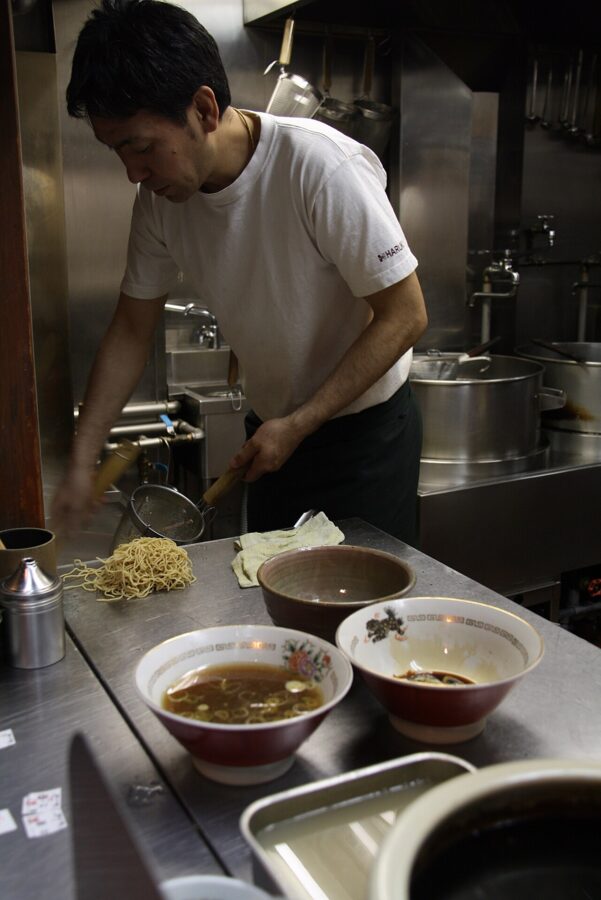
The museum’s ramen making class teaches aodake-uchi (青竹打ち), green-bamboo beating: you put your weight on one end of a long bamboo pole and work it across the dough to flatten it, then fold and cut the sheet by hand. The technique came from China with the first ramen-style dishes and was common across Japan in the Meiji and Taisho eras; many shops in Sano, Tochigi, still use it. Bamboo-beaten noodles come out soft and springy.

The class uses Japanese wheat, currently varieties such as Haruyokoi and Yumechikara, and costs from ¥4,700 (about $30) per person, plus admission, as of November 2026. It starts at 11:30, 13:30, 15:30 and 17:30, takes 60 minutes plus the meal, and holds up to ten people. The fee covers the bowl you eat, one take-home portion with soup (keep it in the fridge and eat it within three days), and the paper hat and apron. Book through the museum’s form by 19:00 the day before; cancelling the day before costs half the fee, and on the day the whole fee.
The minimum age is ten, though first to third graders can join with a parent who helps. A vegan swap replaces the soup and turns the chashu into fried wheat gluten. The class page is in Japanese and its English version is marked as under construction, so a translation tool helps with the form. Groups of 11 to 40 can book a private group course at ¥3,900 (about $25) a head, admission included, two weeks ahead.
Ra-haku Sugomen Lab
At Ra-haku Sugomen Lab you order from your phone: one of five noodle types, a soup, three toppings, a red or pink cup and one of 58 lid designs, or a lid printed with your own photo. The basic cup costs ¥600, and the noodles are Yamadai’s non-fried Sugomen, which are boiled before drying, the reverse of Ando’s fried block. When there is no queue it is ready in about five minutes.
Ramen classes in Tokyo, Osaka and Kyoto
The private schools aimed at overseas visitors teach in English and go further than the museums, usually to broth and toppings, but they change prices and venues often. Read the cancellation terms before paying.

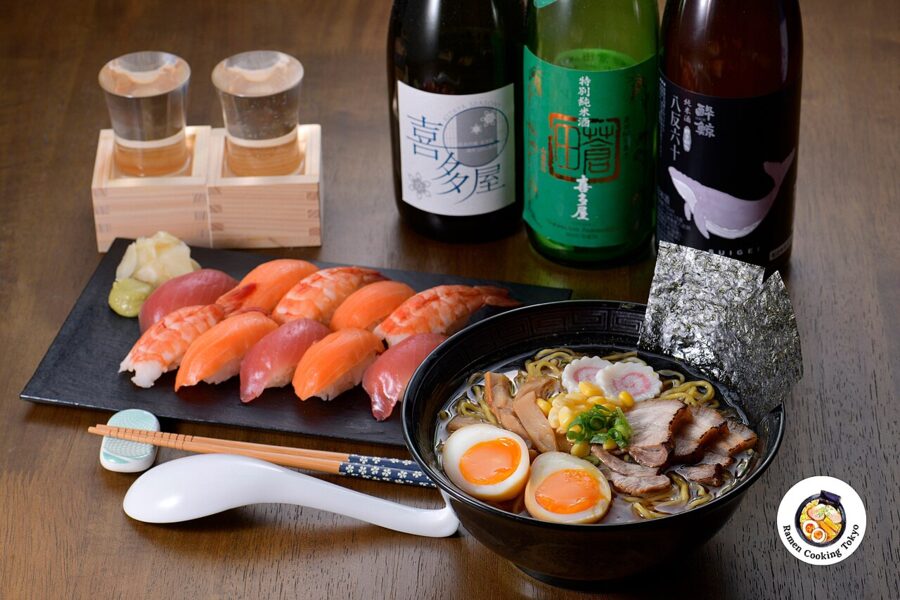
Tokyo. Baba Ramen in Meguro runs a four-hour class in a working ramen kitchen in which you make noodles and gyoza from scratch, sold as a join-in class on Klook. Four hours is long, and it is the one I would pick if you cook at home and want to repeat the bowl, not just eat it. Ramen Cooking Tokyo in Tsukishima runs a shorter class that pairs shoyu ramen with nigiri sushi and sake.

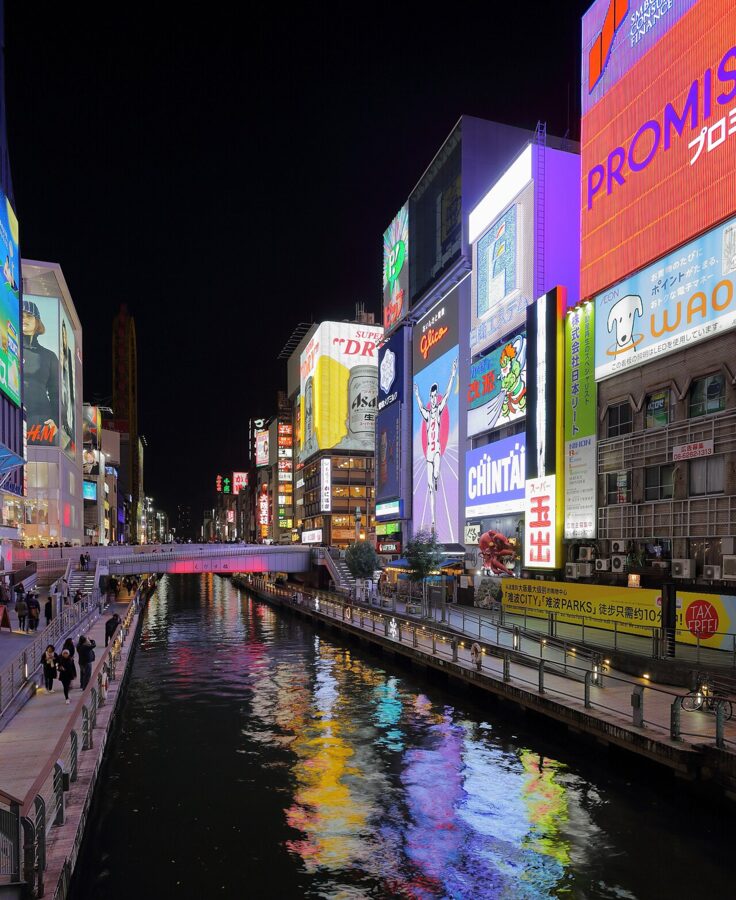
Osaka. Ramen Dojo Osaka opened in Soemoncho, a few minutes from Dotonbori, in autumn 2026, as an Osaka branch of a Tokyo school. Its 90-minute Dotonbori ramen class has you knead and cut noodles, sear chicken chashu, and build tonkotsu, shoyu and miso bowls side by side, which is the fastest way to learn what tare does. Near Osaka Castle, the Ramen & Chopsticks Making Studio in Higashi-Tenma pairs hand-shaped noodles with carving your own chopsticks.

Kyoto. Ramen Factory Kyoto, in a basement in Kamigyo ward, runs a 90-minute class: you make the noodles, blend the soup, roast chicken chashu, eat the result and leave with a T-shirt, a bowl or an apron. It caters for vegetarian, vegan and Muslim-friendly diets, and was listed from about $124 a person in November 2026. In Kyoto I would pair it with a wagashi morning.
Prices for the Tokyo and Osaka classes vary by date and platform; check the booking page. If you would rather learn the other big hands-on dish of a Japan trip, a sushi making class runs on the same model.
With children
Ages decide this more than tastes. My CUPNOODLES Factory has no age limit at all, and a three-year-old can draw on a cup. The Chicken Ramen Factory starts at six, at elementary school age, and the youngest must partner an older child or an adult. The bamboo-pole class at the Shin-Yokohama museum starts at ten.
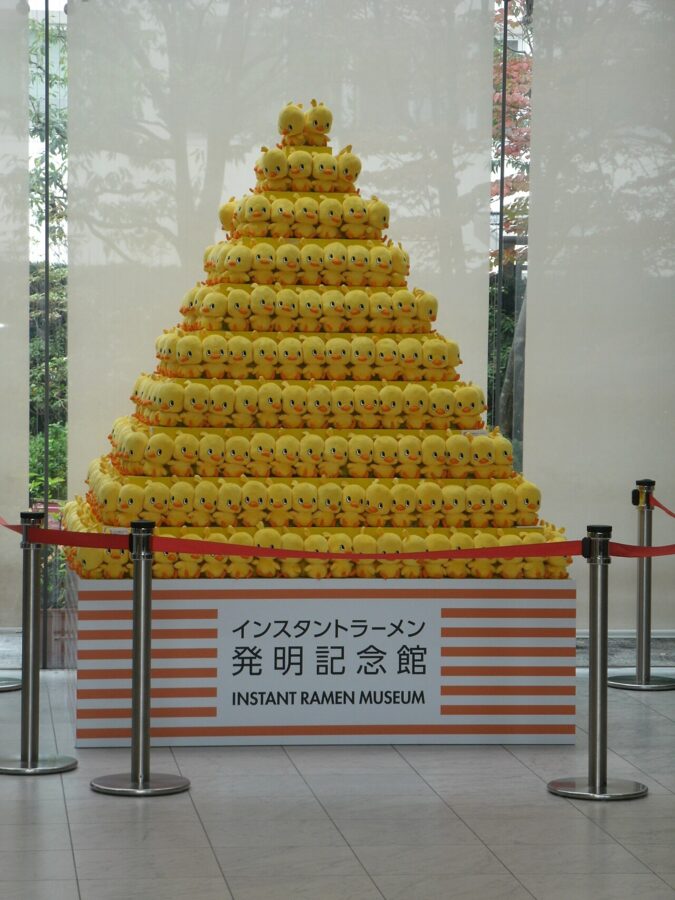

Yokohama has the edge for small children because of CUPNOODLES Park on the fourth floor: a climbing frame laid out as a noodle factory, with a net for stretching, a ball pool for seasoning and a slide out of the shipping boxes. It costs ¥500 for a 25-minute session and takes children from three through elementary school age who are at least 90 cm tall; preschoolers need an adult with them. Hiyoko-chan merchandise does the rest, much as Hello Kitty does in a Sanrio shop.
At the Ramen Museum, every shop has children’s bowls and chairs, school-age children pay ¥100 to enter, and the mini bowls are the right size for a child.
A ramen day in Yokohama
The two Yokohama museums fit one day. Start at the CUPNOODLES MUSEUM at 10:00 with a Chicken Ramen Factory booking at 10:15 or 11:00, then take a My CUPNOODLES Factory slot afterwards and eat at the noodle bazaar.
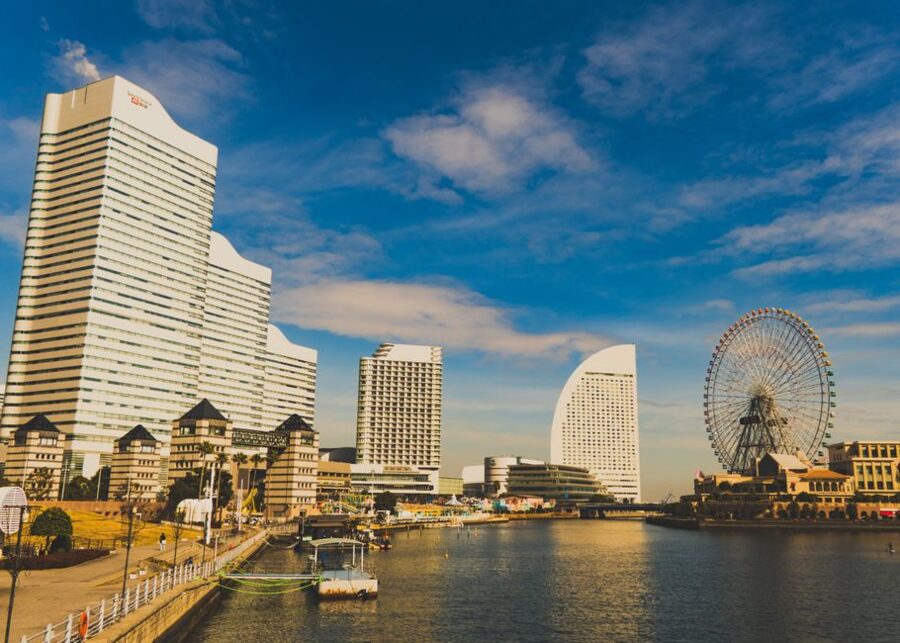
Chinatown is a few stops along the Minatomirai Line, at Motomachi-Chukagai. Yokohama’s role in ramen starts here: the port opened in 1859, Japan’s first Chinese restaurant opened in the foreign settlement here in 1870, and the noodle soups that became ramen arrived with the cooks. Walk it in the afternoon, but save your appetite.
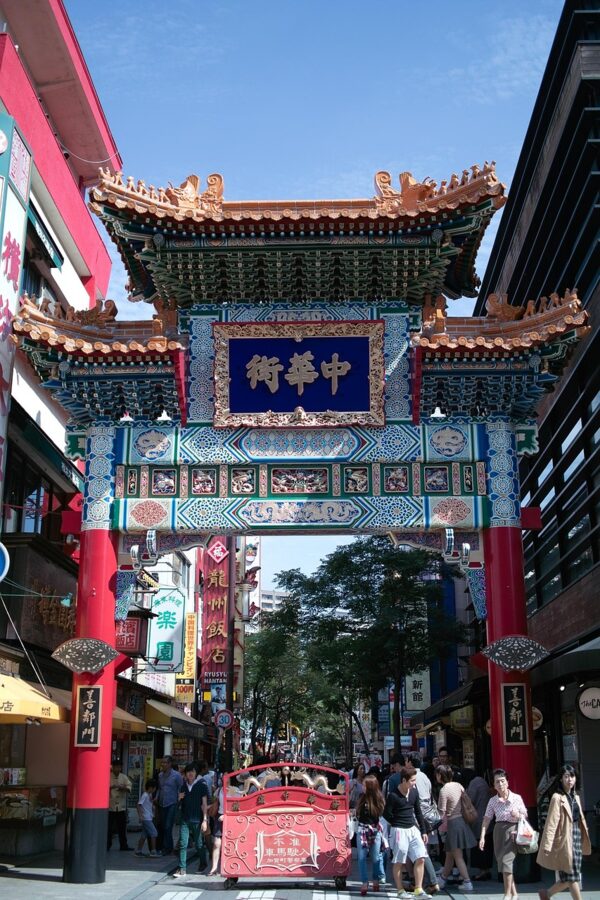
Then ride to Shin-Yokohama, about 11 minutes from Yokohama Station on the Blue Line subway, for dinner at the Ramen Museum. The museum’s own advice is that weekend queues ease from about 16:00, and on weekdays anything after 14:00 is easier than lunchtime. If you booked the bamboo-pole class, the 17:30 session ends with your own bowl for supper.
Bring the block of Chicken Ramen home in your hand luggage. It is the only souvenir of the day that you made from flour.