
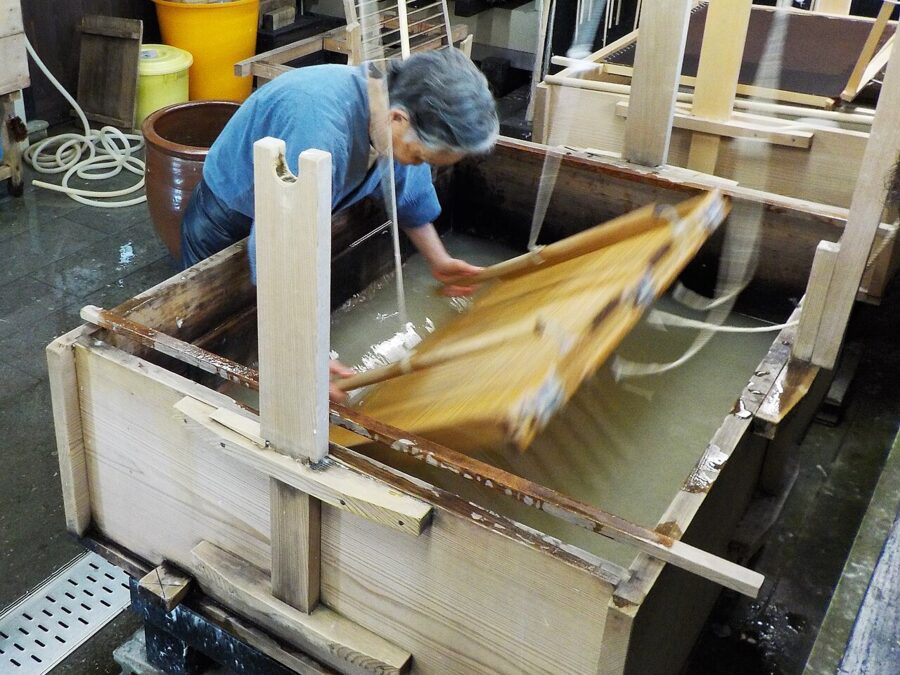
A hundred kilograms of kozo branches end up as about four kilograms of Mino paper. The rest is outer bark, sap and starch, cooked out, washed away and picked off by hand over roughly ten days, according to the Mino-Washi Museum’s account of the process. What survives is a mat of long white fibers, thin enough to see daylight through and tough enough to last more than a thousand years, as Mino’s own paper in Nara already has.
That sheet is washi (和紙), literally “Japanese paper”, and in a handful of towns you can still watch it being made the slow way. In most of them you can also stand at the vat and make a sheet yourself, for less than the price of lunch.
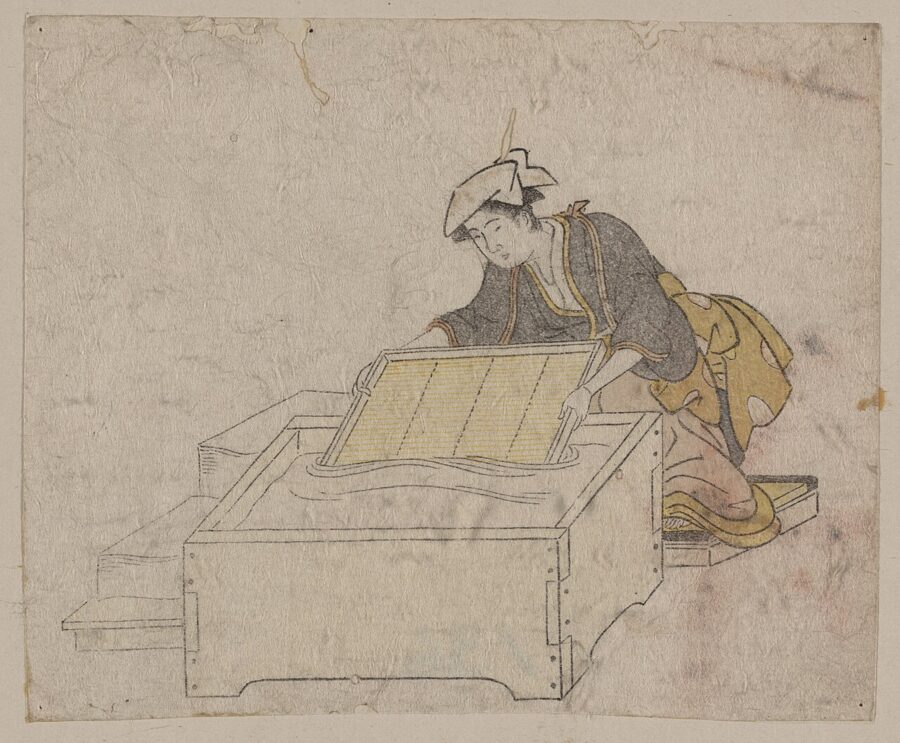
Washi tape, the decorative masking tape that fills search results for the word, is a machine-made product that borrows the name. The paper here comes out of a vat.

In this article
Three barks and a slippery root
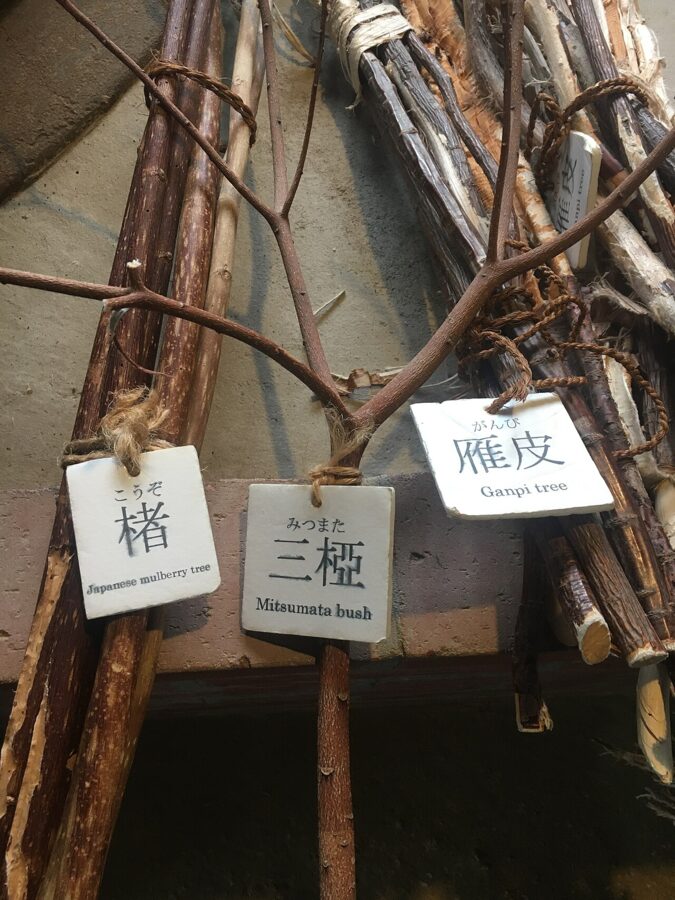
Washi is made from the inner bark of shrubs, not from wood pulp. The Mino museum lists the three that matter: kozo (楮, paper mulberry) for shoji paper, letter paper and envelopes; mitsumata (三椏) for banknotes; and gampi (雁皮) for oil-blotting paper. Which bark goes in decides what the paper is for.
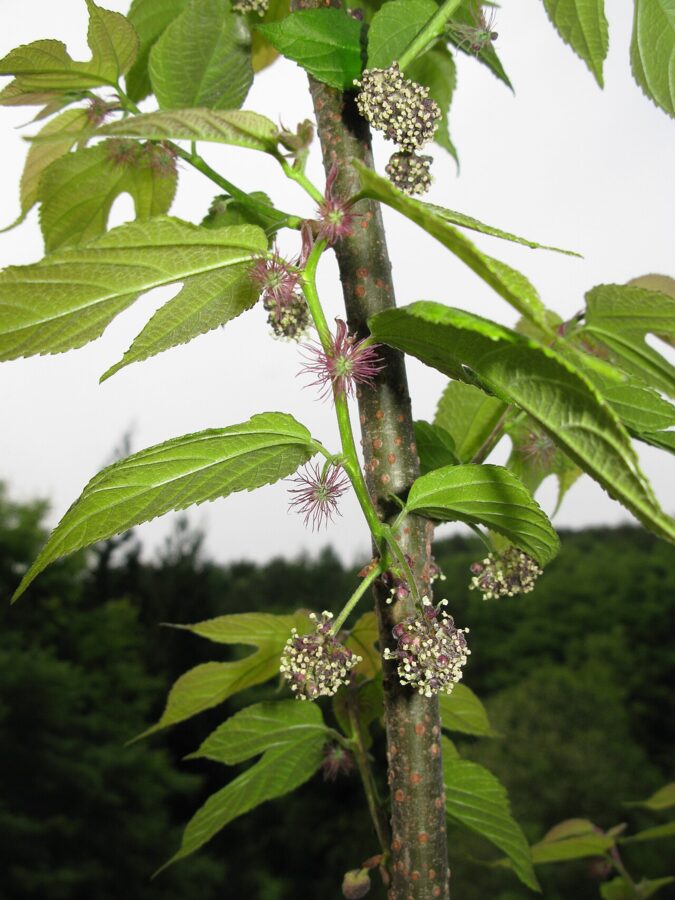
Kozo is the workhorse. It is a farm crop, cut back every year, and the same roots send up new shoots for about four decades, according to the Surrey History Centre’s notes on Japanese paper in conservation. It has the longest fibers of the three, which is why a thin kozo sheet can take a fold that would split printer paper.

Mitsumata takes three to five years to regrow, so its paper costs more; its fibers are shorter and softer, and the sheet is more opaque. Gampi is the awkward one. The Mino museum notes it is hard to cultivate, so most of it is still gathered wild, and its fine, sticky fiber makes the glossiest sheets in Japan.
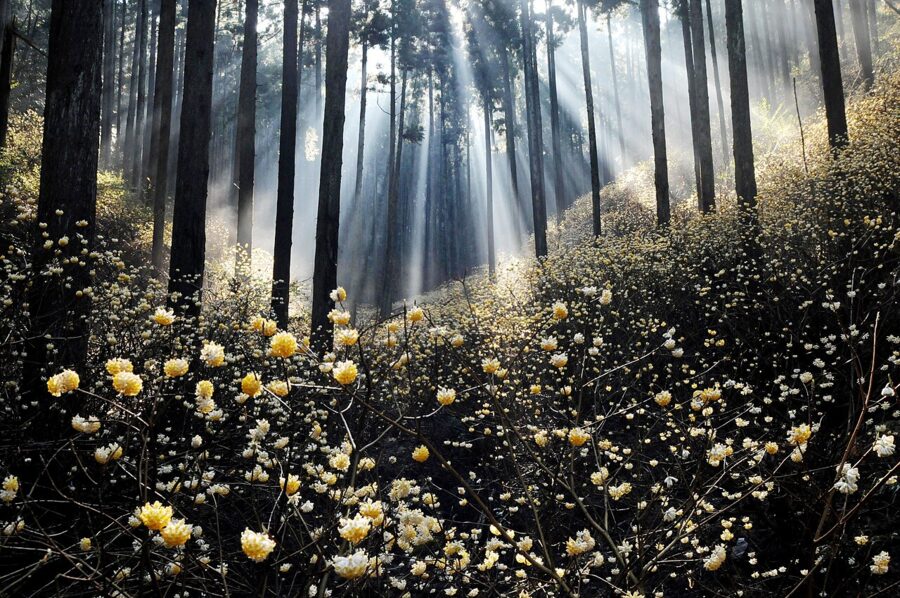

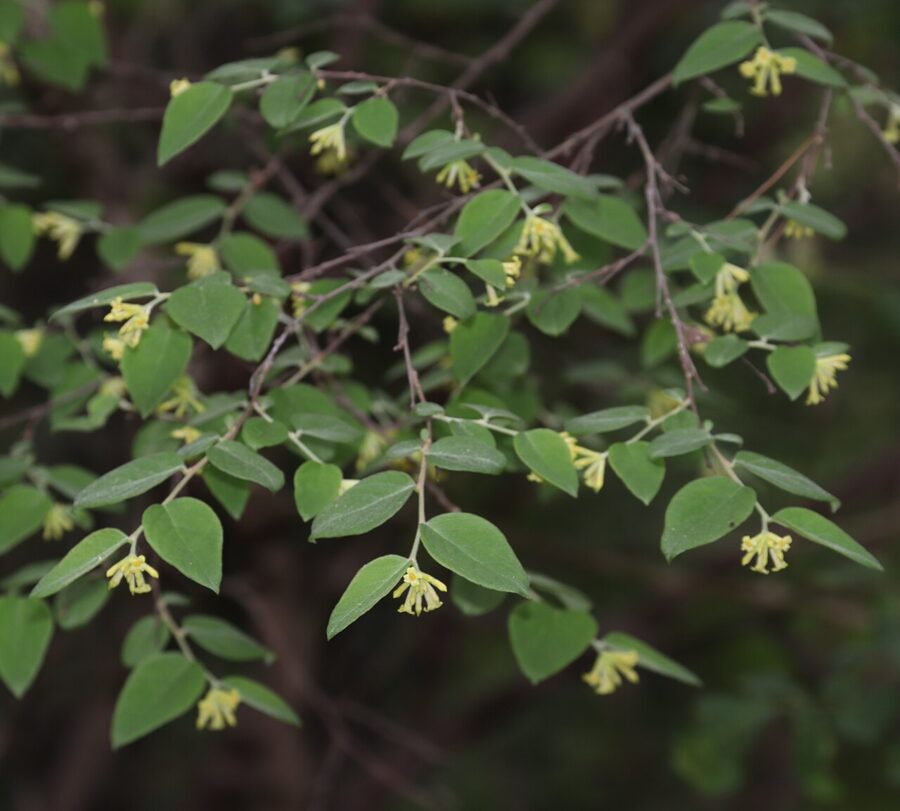

The fourth ingredient is not a fiber at all. Tororoaoi (トロロアオイ), a yellow-flowered relative of okra, has a root that gives a clear, slimy mucilage called neri (in Mino, nebeshi). It never ends up in the paper, but Japanese hand papermaking is impossible without it, because it keeps the fibers floating evenly in the vat instead of sinking into clumps.
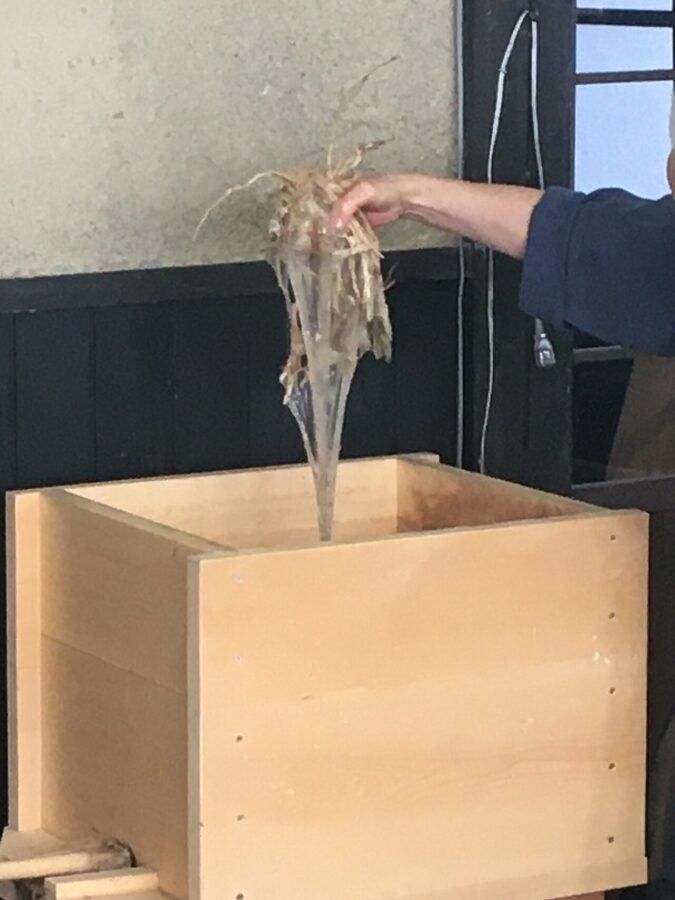

Branch to sheet: the steps
The work starts in winter, when the kozo is cut. Bundles of branches are steamed until the bark slips, then stripped, and the dark outer skin is scraped off to leave the white inner bark. Mino papermakers used to soak that bark in the river for two or three days, a practice called kawazarashi; now tanks do the job. Then it is cooked for about two hours with soda ash, which dissolves everything except the fiber.
Next comes the step nobody puts on the brochure. In chiritori, a worker sits over running water and picks out every speck of dark bark and every discolored fiber by hand. It is slow, cold work, and it is the difference between a clean sheet and a cheap one. The clean fiber is then beaten with wooden mallets on a stone slab, or more often now in a beater machine, until it breaks into a soft pulp.
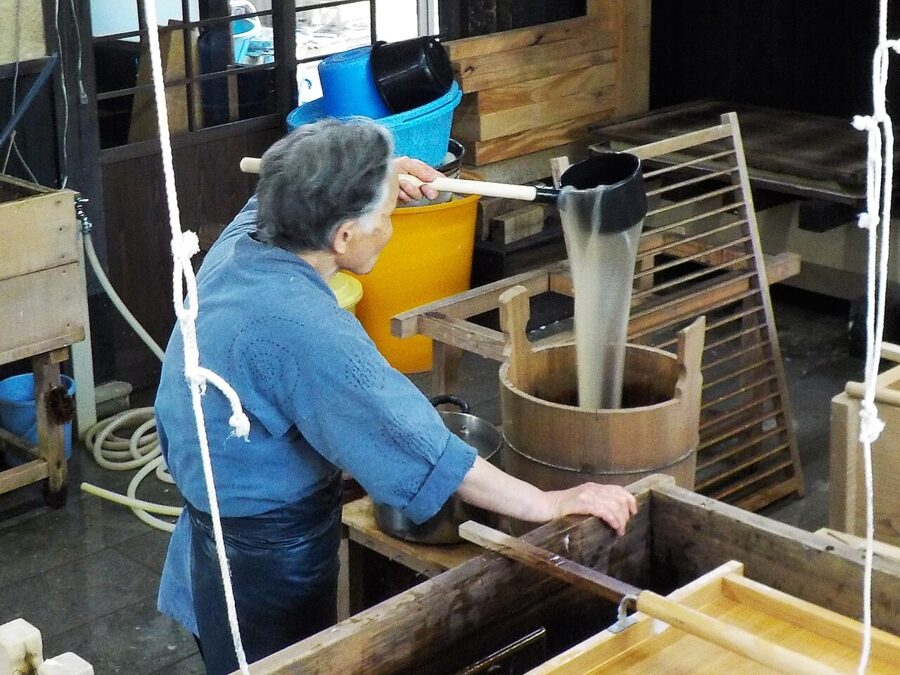

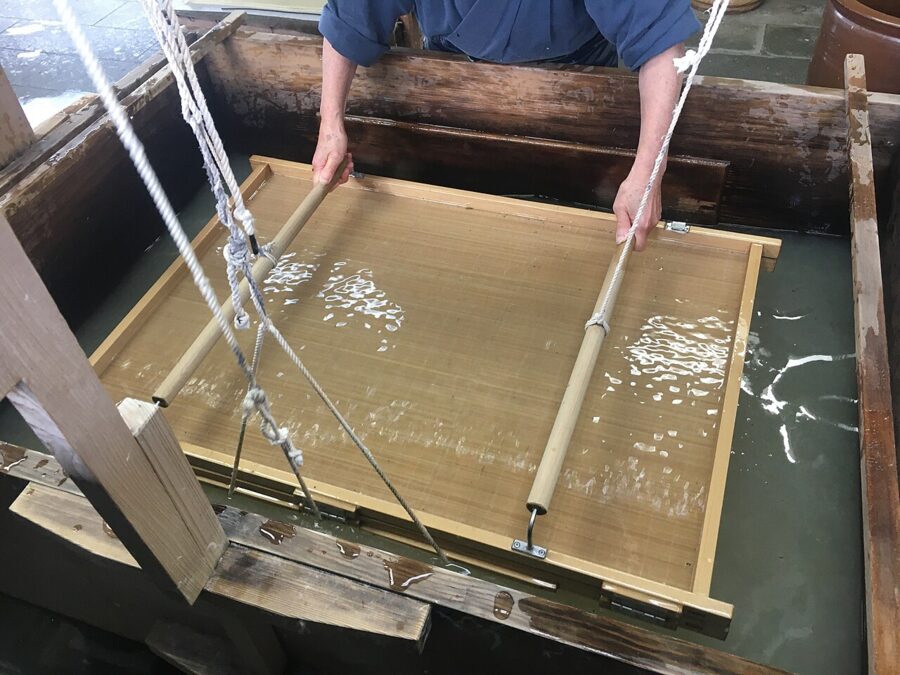
Pulp, water and neri are mixed in the vat, the sukibune, and the papermaker dips a suketa: a fine bamboo screen, the su, held in a hinged wooden frame, the keta. In nagashizuki (流し漉き), the “flowing” method, you scoop, rock the frame front to back and side to side, throw off the excess and scoop again. Each rock crosses the fibers over one another, and the sheet is built up from several thin layers.
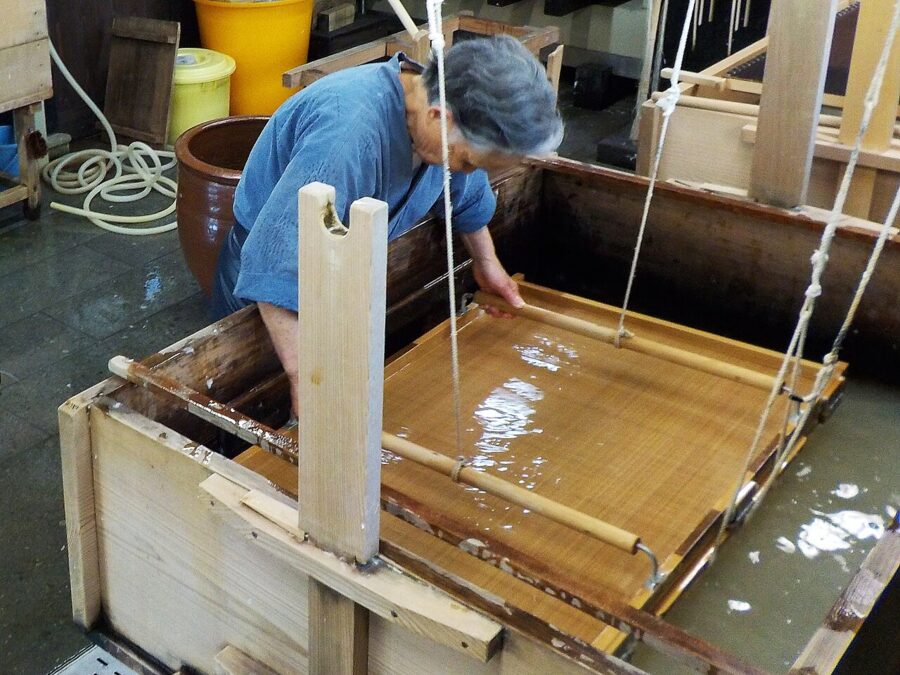

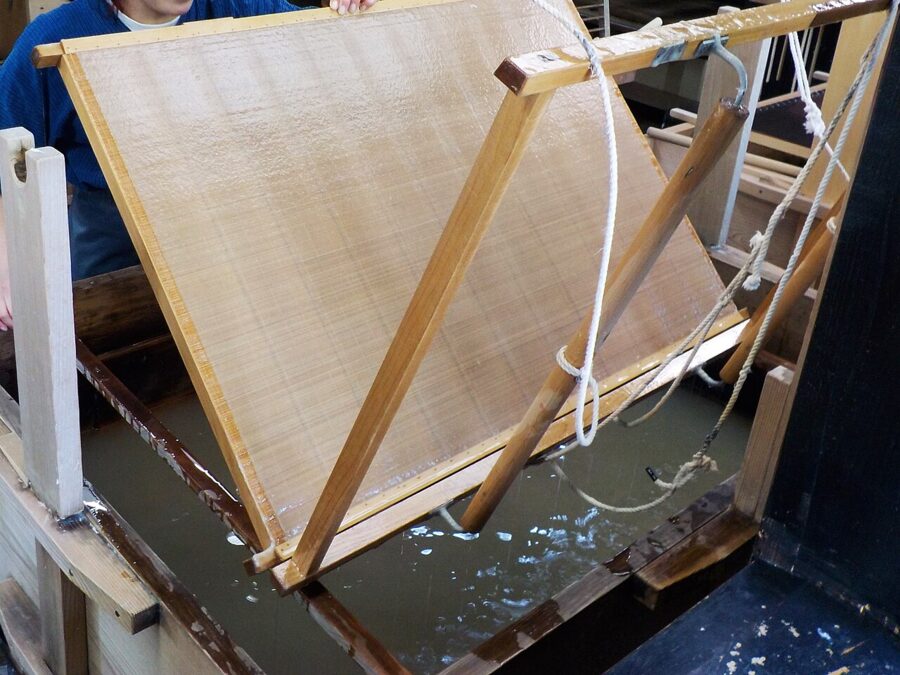

The older method, tamezuki (溜め漉き), lets the slurry drain through the screen instead of throwing it off; Mino still uses it for its postcard course. The flowing method is the one UNESCO named, and papermakers abroad use the Japanese words for it untranslated.
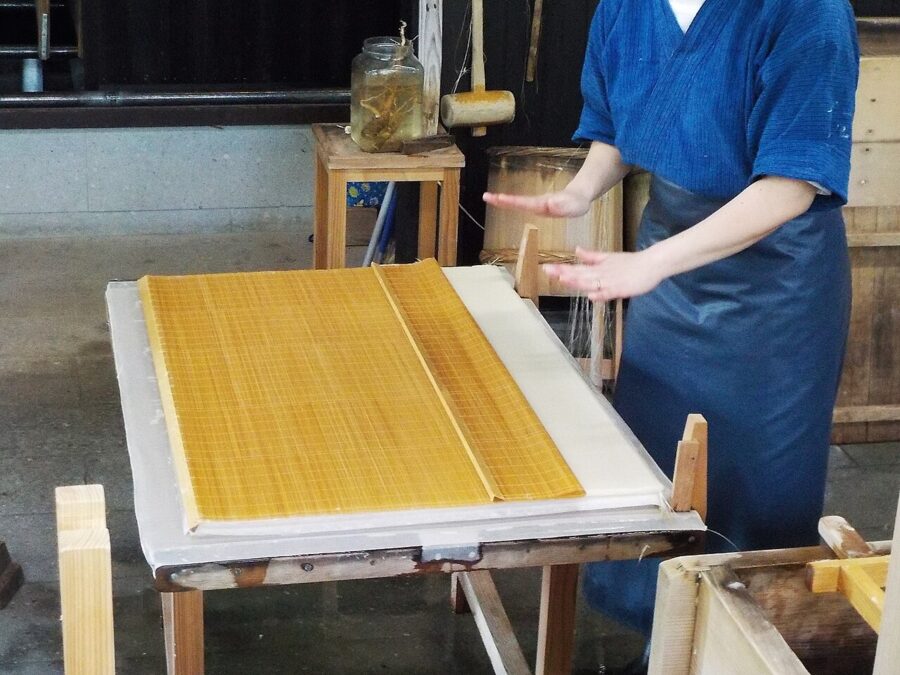

The wet stack is pressed slowly for about a day. Each sheet is then peeled off, brushed onto a wooden board and dried in the sun, or, in most workshops now, on a metal plate heated with hot water. Finally every sheet is held to the light, checked for flaws and thickness, and trimmed with a special knife.
The UNESCO listing, and what changed in 2025
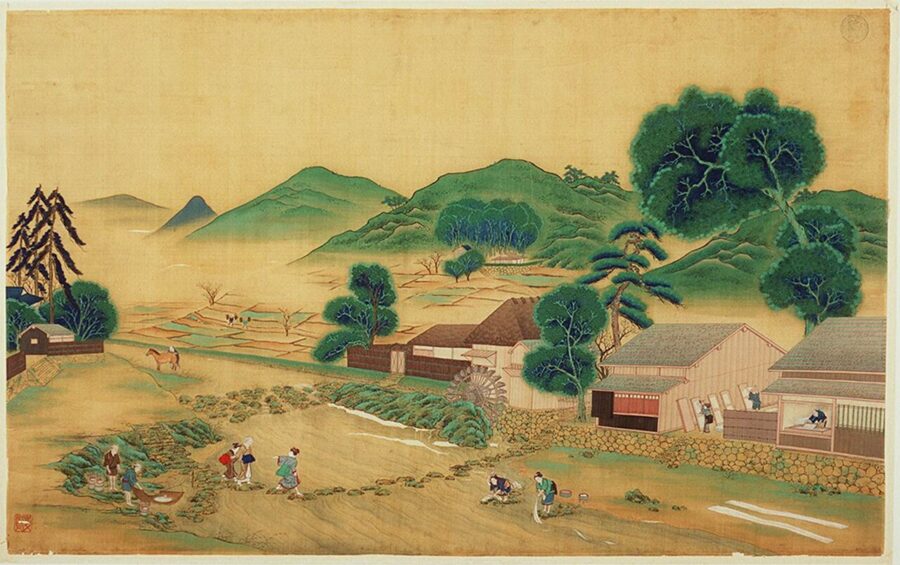
In 2014 UNESCO put “Washi, craftsmanship of traditional Japanese hand-made paper” on its Representative List of the Intangible Cultural Heritage of Humanity. It is not a list of towns or products. It covers three papers made entirely by hand from kozo, each kept by an association of working papermakers: Sekishu-banshi from Shimane, Hon-minoshi from Mino in Gifu, and Hosokawa-shi from Ogawa and Higashichichibu in Saitama.
Sekishu-banshi had been listed on its own in 2009; the 2014 file folded it in. On December 11, 2025, at the UNESCO committee meeting in New Delhi, the listing was extended to Echizen torinoko-gami, a faintly yellow, glossy gampi paper named for the color of an eggshell. The Agency for Cultural Affairs had already announced that the advisory body recommended the extension, so older guides that say Echizen is not part of the listing are now out of date.
The bar to carry one of these names is high. Under the Hon-minoshi standard, a sheet must use only Daigo Nasu kozo from Ibaraki, no chemical bleach or pigment, tororoaoi as the neri, a traditional bamboo screen and the nagashizuki method. It must be made in Mino by a member of the Hon-minoshi preservation association, with every material traceable.
The paper towns
Washi already appears in my guide to Japanese traditional crafts as one of the nationally designated crafts. Here are the towns themselves.
Mino, Gifu: thin, even and very old
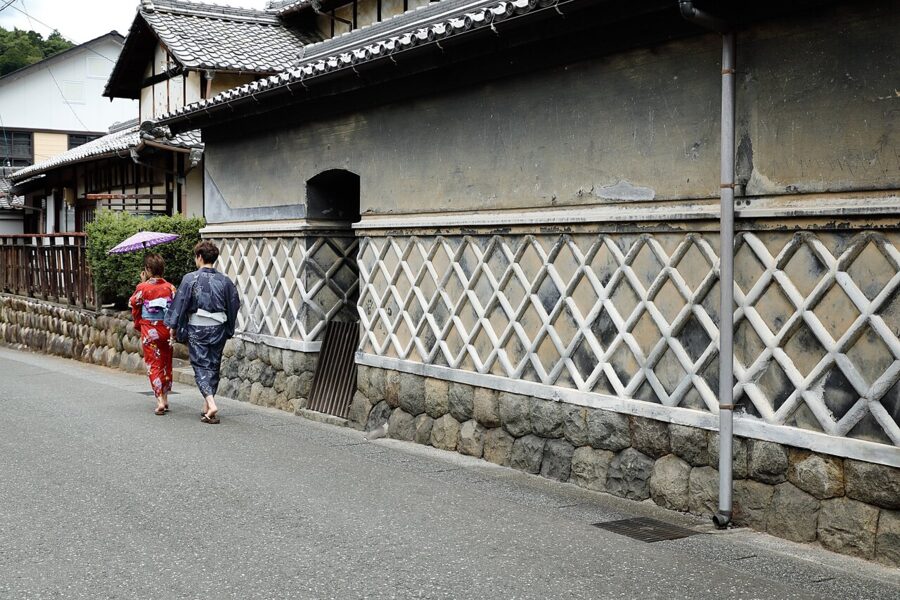

Mino’s household registers of 702, kept in the Shosoin repository in Nara, are among the oldest dated papers in Japan, and the Mino museum notes they were already ranked best in quality at the time. Tokugawa Ieyasu is said to have ordered the paper for his command baton at Sekigahara from papermakers in Mitarai, now part of Mino, and the shogunate later bought its shoji paper here. At the trade’s height there were about 5,000 papermaking households in and around the town.
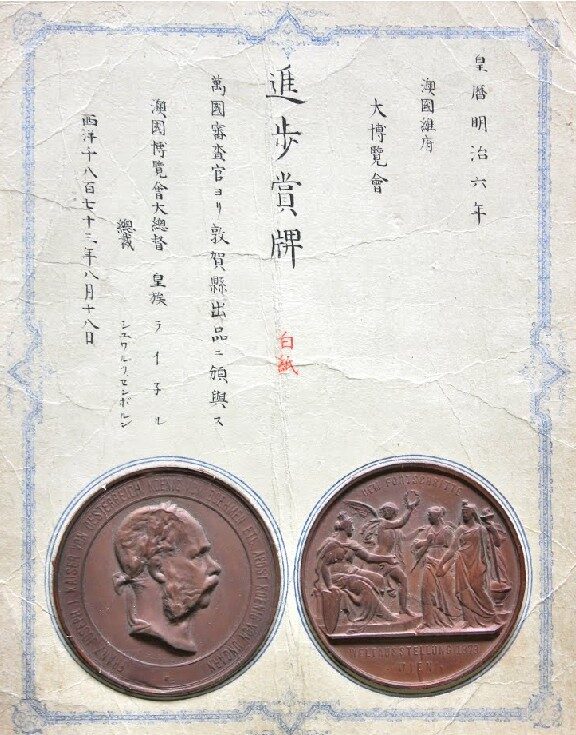
Mino paper is thin, strong and free of blotches, which is what a shoji screen needs to let light through evenly. The town also makes machine-made washi, and the museum keeps the two apart, as you should when you shop. The Meiji government sent Mino paper to the Vienna exposition of 1873 and to Philadelphia in 1876.

Echizen, Fukui: the papermakers’ goddess
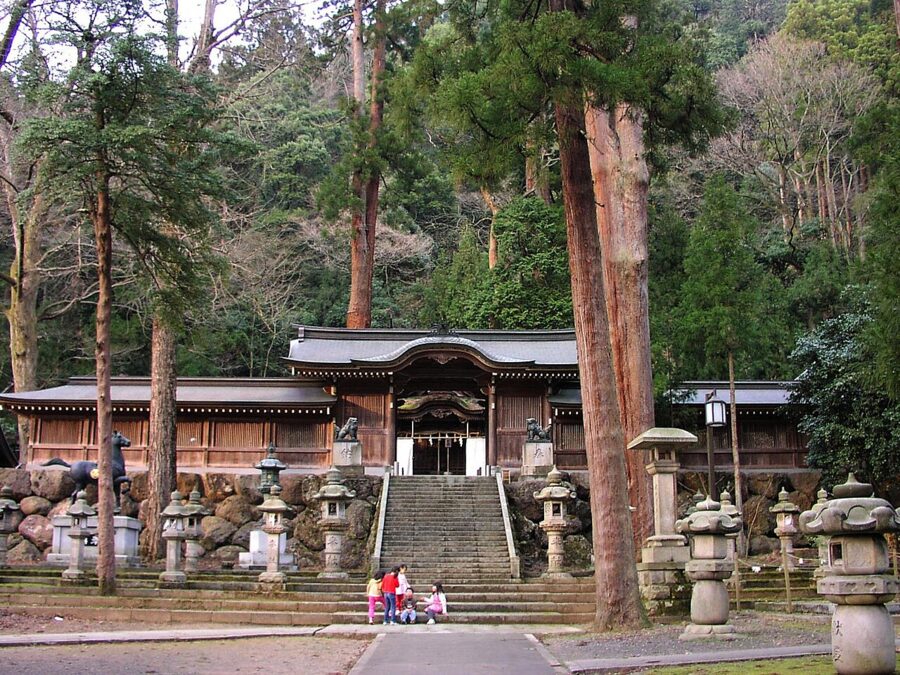
Echizen claims about 1,500 years of papermaking. A goddess, Kawakami Gozen, is said to have appeared upstream and taught the villagers the craft, and she is still worshipped at the Okamoto and Otaki shrines above the paper district. Five villages along the Okamoto River, together called Goka, make up the district, and papermakers’ houses still line its streets.

Echizen made money for the state, literally. The paper for Japan’s first national paper money, the Dajokan-satsu of 1868, was made here. In 1875 Echizen papermakers went to the Finance Ministry’s new paper mill in Tokyo and helped develop the black watermark that is still used against forgers in Japanese banknotes, and watermarked certificate and share paper became an Echizen specialty.
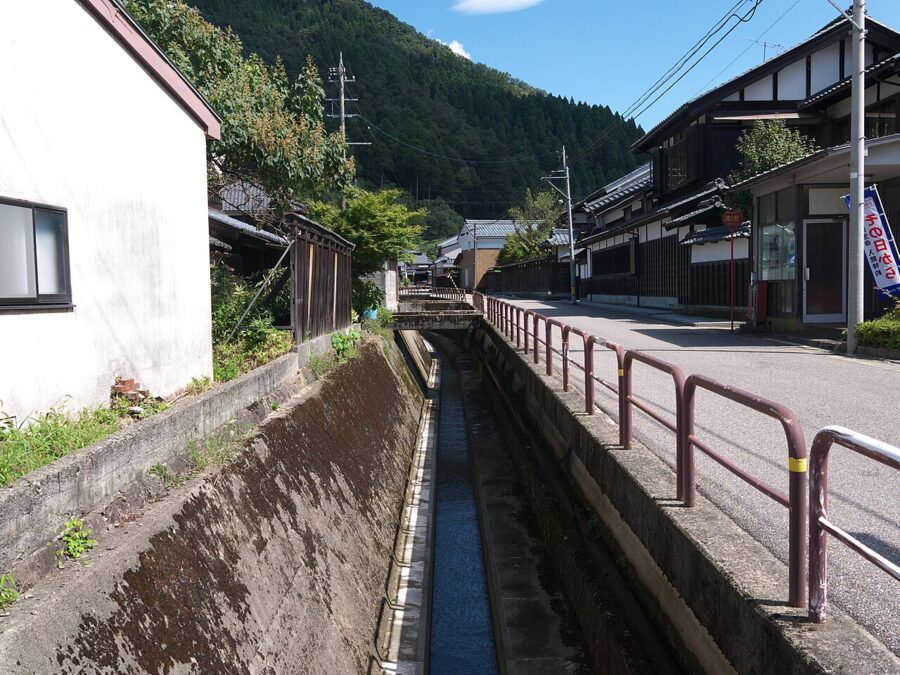

Today Echizen is the broadest of the paper towns, with hand and machine mills making calligraphy paper, craft paper and decorated fusuma paper for sliding doors. The gampi torinoko that UNESCO added in 2025 is kept by a preservation association set up in 2015. Echizen and Kochi also forge blades; see Japanese knife making if you are touring both crafts.
Ogawa and Higashichichibu, Saitama: Hosokawa-shi
Hosokawa-shi takes its name from Hosokawa, a village on the slopes of Mount Koya in Wakayama where it was first made; production moved to Saitama and the Wakayama original died out. In the Edo period this tough, unbleached kozo paper was the ledger paper of choice, and Ogawa still calls itself the “little Kyoto of Musashi”. Hosokawa-shi was designated an Important Intangible Cultural Property in 1978.
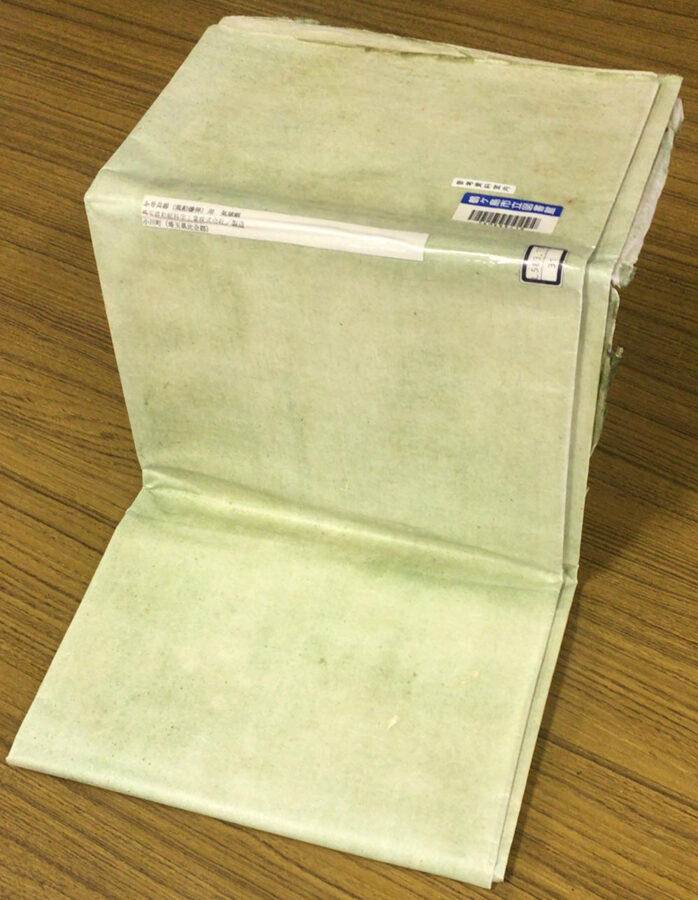

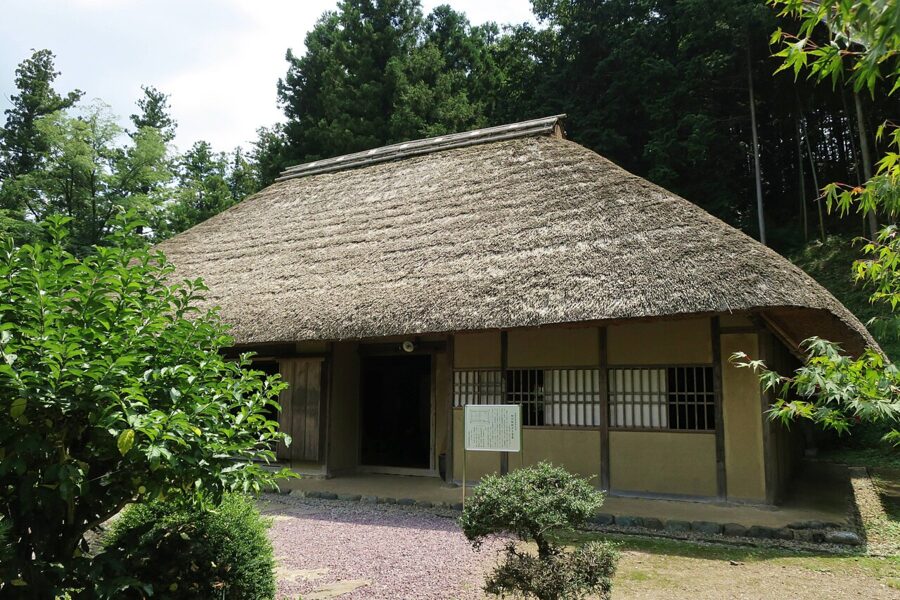
Ogawa is on the Tobu Tojo Line from Ikebukuro, which makes it the easiest paper town to reach from Tokyo, and the papermaking hall at the Michi-no-eki Ogawamachi roadside station takes walk-ins. Higashichichibu, the next valley over, has its own Washi no Sato, a roadside station with a papermaking workshop, a shop for Hosokawa-shi and an old thatched house.

Sekishu, Shimane: the paper Osaka threw down the well
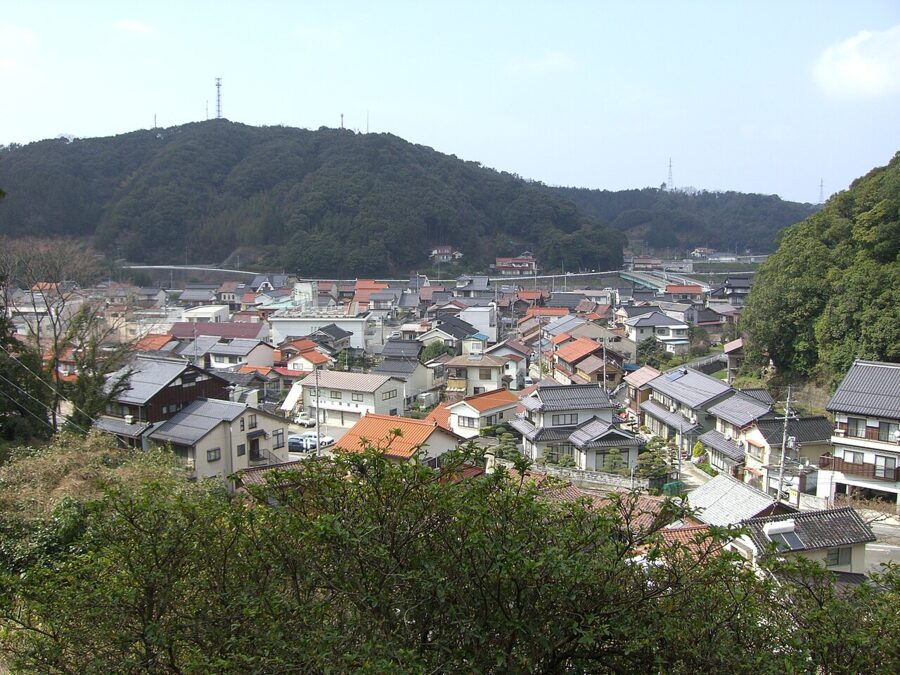
Sekishu washi comes from the Iwami region of western Shimane, now centered on Misumi in Hamada. The Engishiki of 905 already lists Iwami among the provinces that paid tax in paper. Sekishu papermakers use all three barks, but Sekishu-banshi itself is pure kozo, fine, strong and lustrous.
The Sekishu Washi Kaikan tells the best story about it: Osaka merchants kept their ledgers on Sekishu-banshi, and when fire broke out, they threw the ledgers down the well to save them. In the Meiji era more than 6,000 workshops made Sekishu paper. Now there are four, Kawahira, Sekishu Washi Kubota, Nishida Washi Kobo and Nishita Seishisho, all run by members of the Sekishu-banshi preservation group.
Kochi: Tosa washi and the thinnest sheets
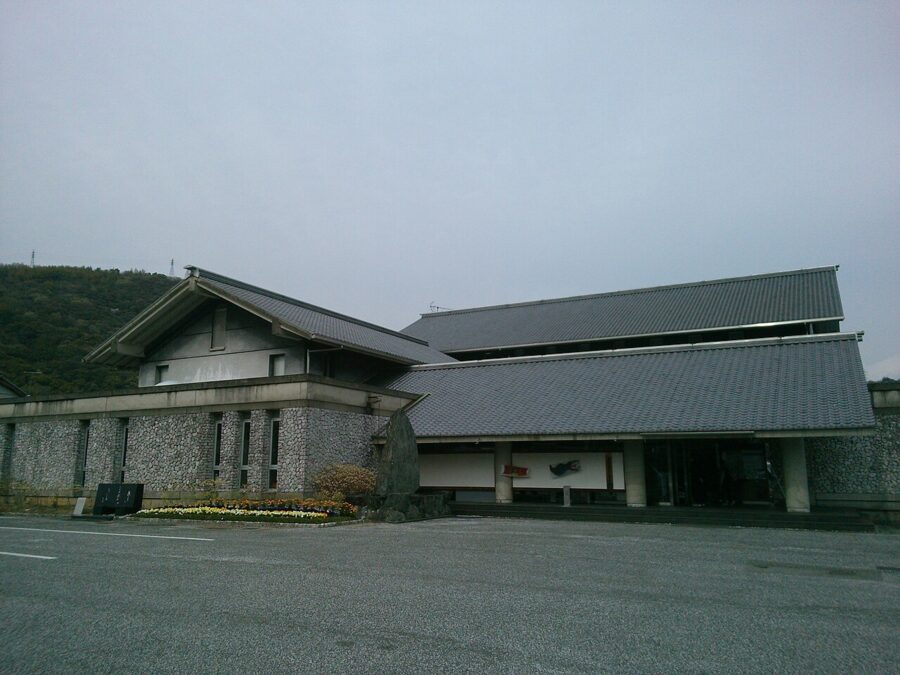

Tosa washi is made in and around Ino, on the Niyodo River. Its specialty is extremely thin kozo tissue, tengujo, fine enough that conservators use it to mend documents without hiding the writing. Tosa washi is not in the UNESCO listing, but its tissues are in conservation studios worldwide.
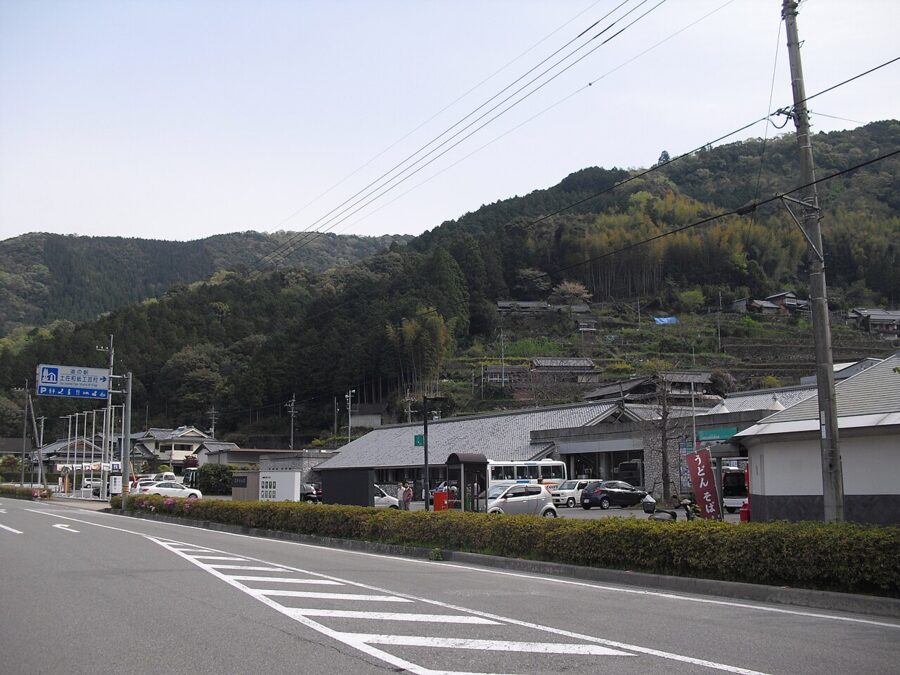
Where to make a sheet yourself
Every paper town runs a workshop, and most are cheap because the town or the cooperative runs them. Prices and hours below are from each venue’s own site, as of November 2026. None of the municipal halls promises English instruction, but you learn this with your hands on the frame, not from words.
| Where | What you make | Time | Price (as of November 2026) | Book? |
|---|---|---|---|---|
| Mino-Washi Museum, Gifu | One sheet, about 33 x 45 cm | 30-minute slots, 9:10 to 16:50 | ¥500 (about $3), plus ¥500 entry | Preferred; walk-ins if a slot is free |
| Papyrus House, Echizen | Shikishi board, postcards, coasters | 20 to 40 minutes, 10 minutes to dry | From ¥700 (about $5) | Advised; phone or Jalan |
| Udatsu Paper and Craft Museum, Echizen | Two 66 x 97 cm sheets of domestic kozo | By arrangement | ¥22,000 (about $140) | Required; phone or Jalan |
| Michi-no-eki Ogawamachi, Saitama | Plain nagashizuki sheet | 9:30 to 15:00 | ¥1,100 (about $7) | Not for individuals |
| Sekishu Washi Kaikan, Shimane | Two postcards, or an A3 sheet | 30 to 60 minutes | ¥770 (about $5); A3 ¥1,650 (about $11) | Required; online or phone |
| Tosa Washi Kogeimura Kuraudo, Kochi | Eight postcards or two shikishi | About 40 to 60 minutes | ¥400 (about $3); ¥600 (about $4) with flowers | Groups of 20 or more only |
| Hinode Washi, Tokyo | Sheets, cards, bark-to-paper courses | Starts 10:00 and 13:30 | From ¥2,500 (about $16) | Required, prepaid |
Mino-Washi Museum
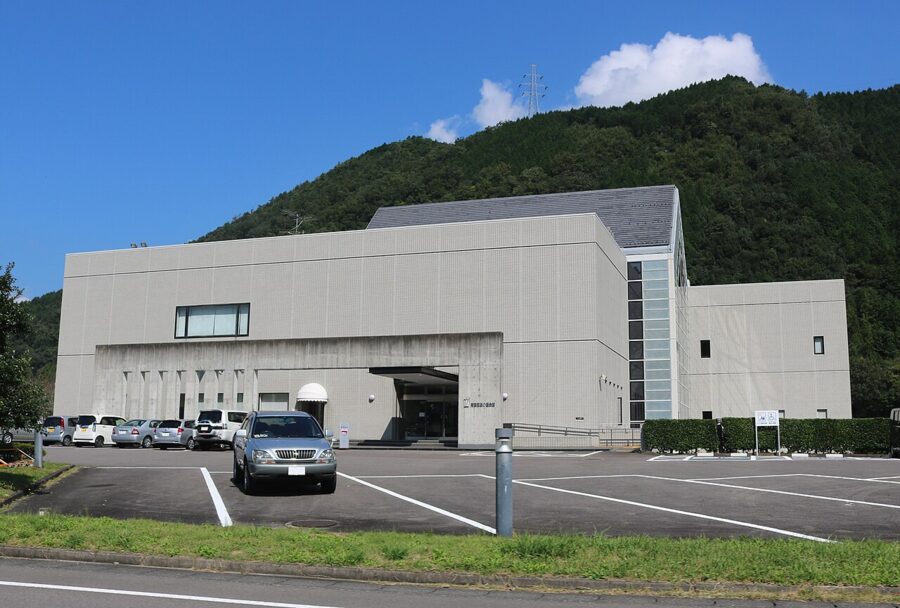
The Mino-Washi Museum’s workshop uses craftsmen’s tools and 100 percent kozo, and you can lay maple leaves or cut-out colored paper into your sheet. Bring a small towel. The museum opens 9:00 to 17:00 and closes Tuesdays and the day after a national holiday.
The better buy is the one-hour course on Saturdays at 11:00 for ¥800 (about $5), minimum two people: you clean and beat the kozo before making the sheet, and take home a bundle of white bark with your paper. On weekdays a 10:00 to 15:00 course makes four sheets for ¥3,000 (about $19), for two to four people. Both must be booked five days ahead and skip Golden Week, Obon and the autumn equinox; the day course also stops from mid-September to the end of the year.
Echizen Washi Village
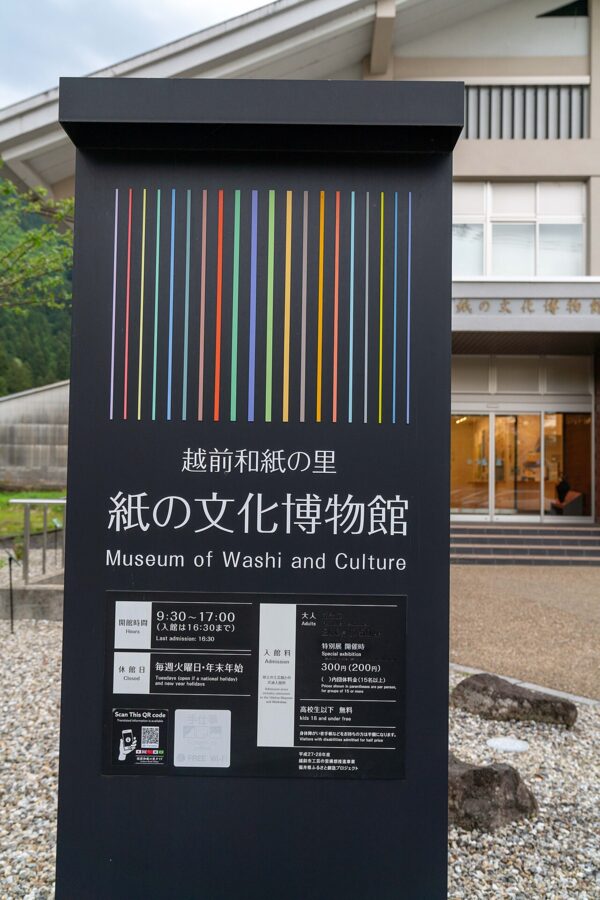

At Papyrus House staff help you scoop, decorate with pressed flowers and dyes, and dry the sheet in about ten minutes, so you leave with it. Four postcards cost ¥1,100 (about $7) and a large sheet ¥2,500 (about $16); a lamp kit booked two days ahead is ¥3,800 (about $25). It opens 9:00 to 16:00, last workshop 15:30, closed Tuesdays.
The serious option is next door. The Udatsu Paper and Craft Museum is a papermaker’s house built in 1748 and moved here in the 1990s, and certified craftsmen take you through nagashizuki with domestic kozo for ¥22,000. It is expensive, and it is the closest a visitor gets to working a real vat.

Ogawa, Sekishu and Kochi
In Ogawa, the traditional crafts hall at Michi-no-eki Ogawamachi takes walk-ins: pay at the paper shop, then go to the workshop. Postcards or colored shikishi cost ¥1,320 (about $9). The paper workshop alone closes on Mondays unless Monday is a holiday.
The Sekishu Washi Kaikan workshop needs booking, two weeks ahead for ten or more. You take the paper home the same day, and for ¥260 (about $2) they will print one of your phone photos onto an A3 sheet. The hall closes on Mondays, or the next weekday when Monday is a holiday.
In Kochi, use the Kuraudo papermaking hall at Tosa Washi Kogeimura while the Ino museum is closed; it takes visitors from 9:00 to 16:00, 15 minutes by bus from JR Ino Station to the Iwamura stop. When the Ino-cho Paper Museum reopens after March 31, 2027, its ¥500 workshop takes about an hour, 40 minutes of it drying. If you cannot wait, they post the paper on for a shipping fee.
Near Tokyo and Tokushima
Hinode Washi, in western Tokyo near Musashi-Itsukaichi Station, grows its own kozo, and its ¥8,700 (about $56) course takes you from peeling bark to finished postcards. It closes Tuesdays and Wednesdays, and everything is booked and paid in advance. Teaching is mainly in Japanese, and the studio suggests a translation app.
On Shikoku, Awagami Factory’s papermaking hall in Tokushima charges ¥1,000 (about $6) for one to three postcards, plus entry. The same hall offers indigo dyeing, and my piece on aizome covers the vats. Skip Kurotani washi in Kyoto for now: it has suspended workshops and studio tours until around spring 2028.
Washi in daily life
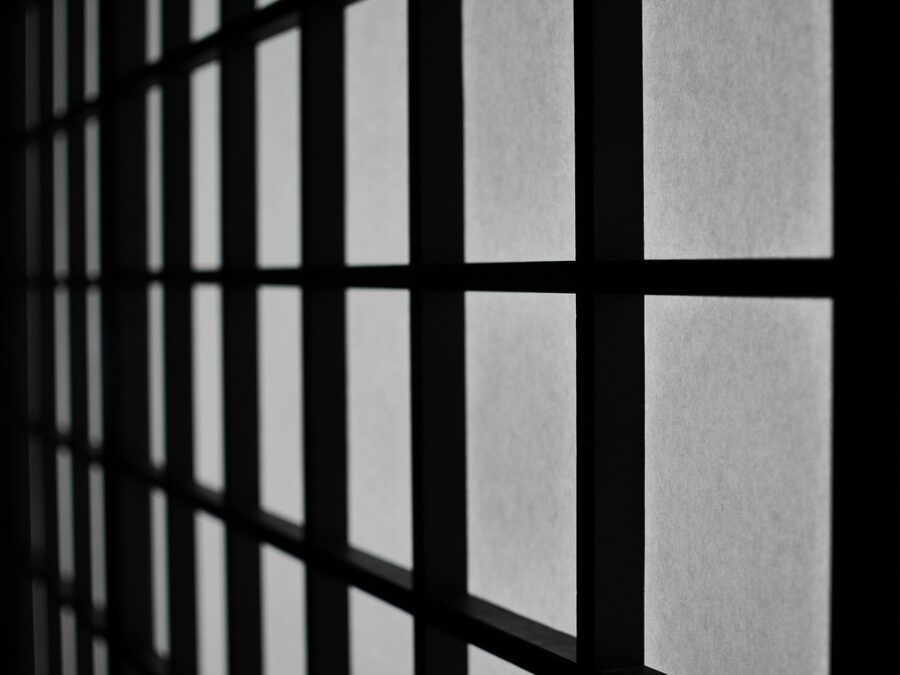
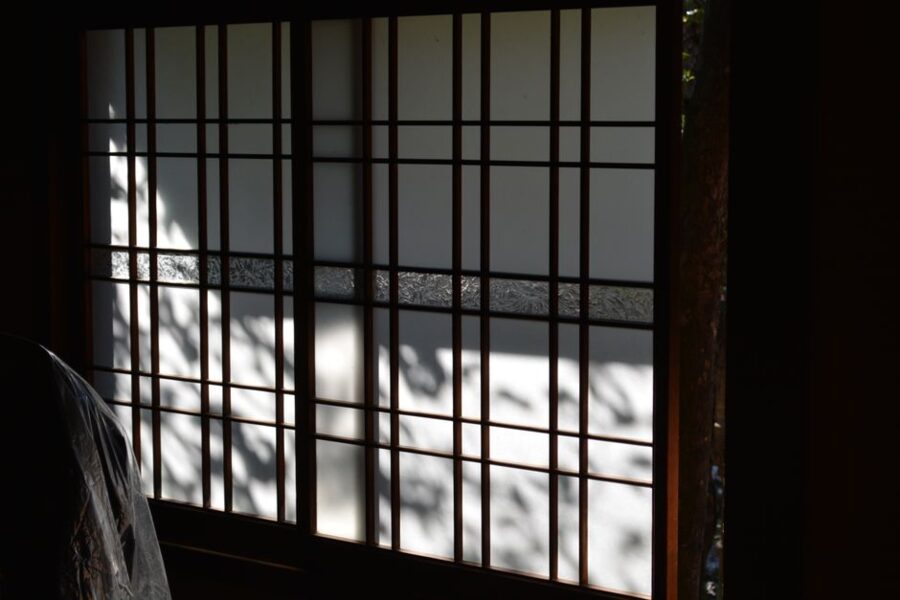
The UNESCO file lists the everyday uses plainly: letters, books and documents, and in the home, paper screens, room dividers and sliding doors. Shoji are the use you meet first. A good shoji sheet is even, so light comes through without bright and dark patches, and that is what Mino has sold for centuries.
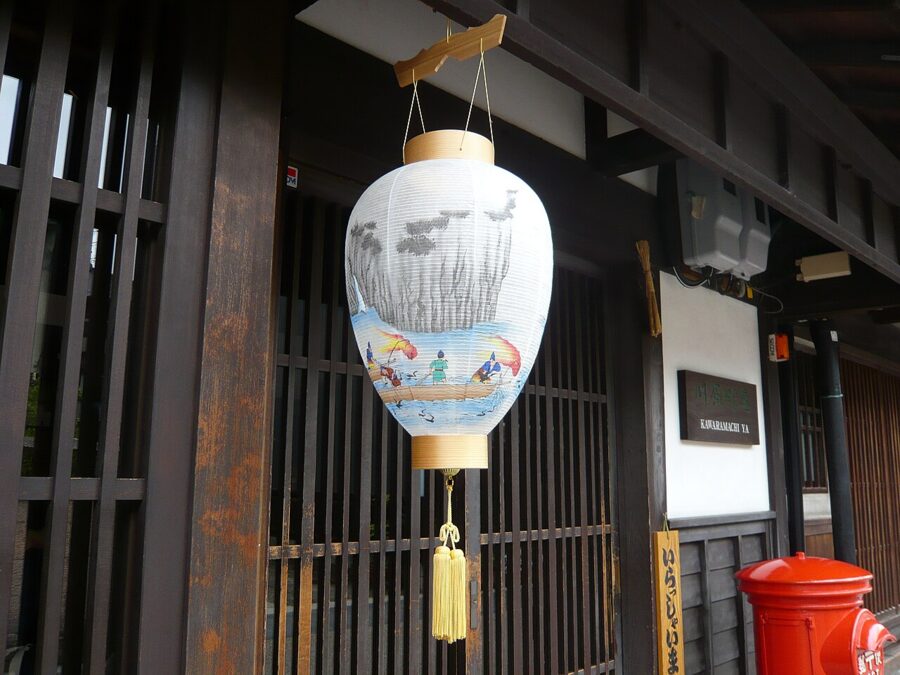

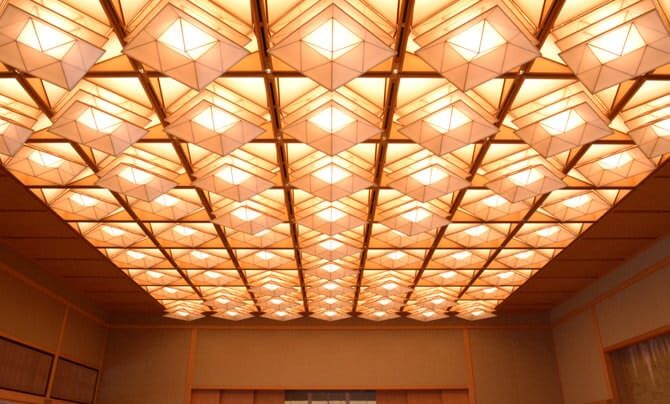
Washi goes into modern rooms too. The ceiling of Fuji-no-Ma, the banquet hall of the Kyoto State Guest House, is a grid of light fixtures made from Mino paper set in traditional Kyoto Japanese joinery.

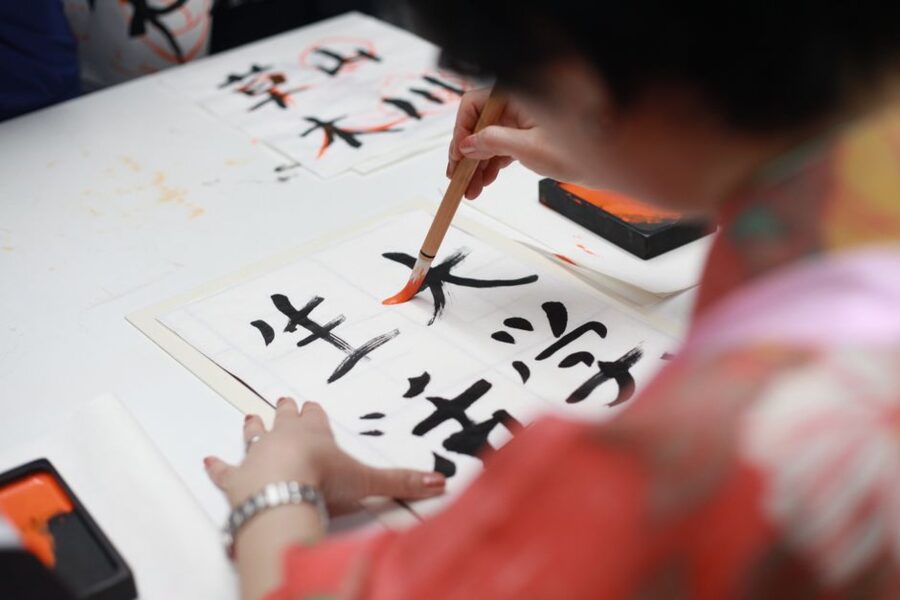
Calligraphy is the other big user. Practice paper, hanshi, takes its name from a sheet size, which is why Sekishu-banshi is written with the same characters. Calligraphers choose paper for how it takes ink: sized or unsized, kozo or gampi.
Abroad, washi’s most important job is invisible. Archive conservators line fragile documents with kozo tissue and fill losses with mitsumata paper, and tengujo and Sekishu papers are among their staples. The British Museum has run its Hirayama Studio for East Asian paintings since 1994, where Japanese art is treated with Japanese methods, tools and materials.
Buying washi: what to look for
First, know whether you are buying hand-made or machine-made. Both are sold as washi, and machine-made washi can be good paper, but it is a different product at a different price. Good shops label tesuki (hand-made) and kikaisuki (machine-made); if the label does not say, ask.
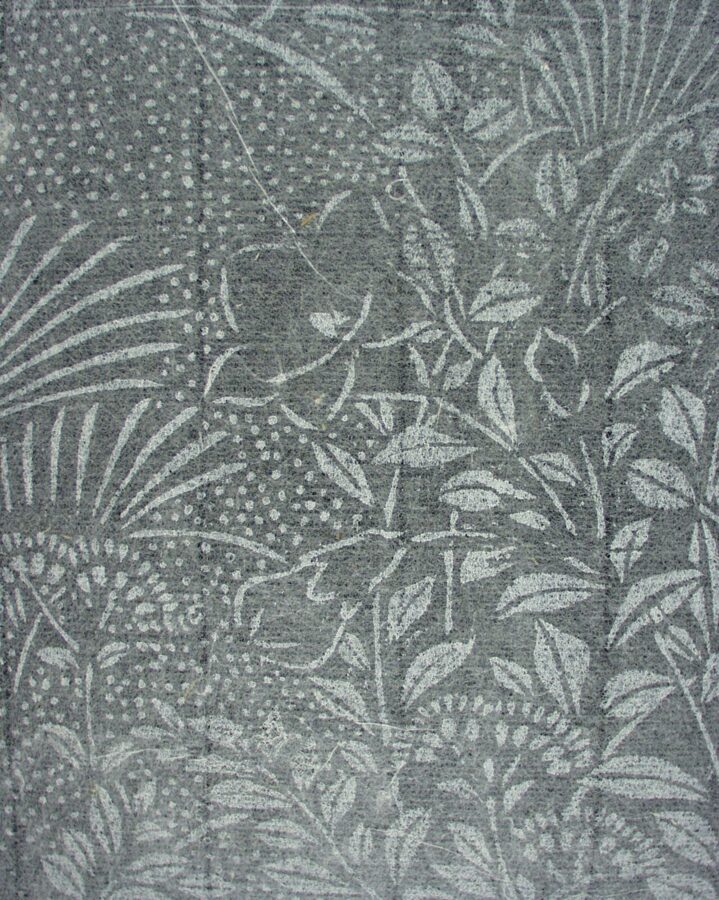
Then hold the sheet to the light. In good kozo paper you see long fibers lying in every direction, with no dark specks of bark and no thin patches. The strictest names, Hon-minoshi, Hosokawa-shi, Sekishu-banshi and Echizen torinoko, come with rules about fiber, method and maker, and the people who sell them will tell you which apply.
Buy at the source. Washi-dokoro Echizen, the shop in Papyrus House, is the direct shop of the Echizen papermakers’ cooperative, with calligraphy and craft papers, origami and stationery; it stays open until 16:30 and closes Tuesdays. The Ogawa and Sekishu halls sell local paper next to their workshops, and Hinode Washi’s shop opens on weekends only.
And remember the arithmetic from Mino: four kilograms of paper from a hundred kilograms of branches. Hold the sheet you made up to the light at home. Every fiber in it was a branch in someone’s field that winter.