
Five chips of wood go onto a hot mica plate one after another, a small porcelain burner travels round the room five times, and at the end every guest draws the answer as five vertical lines. That is Genji-ko (源氏香), one of the hardest incense games in Japanese kodo, and the drawing it produced has outlived the game by a long way.
You have almost certainly seen the pattern without knowing it. Rows of little gate shapes, some joined, some standing alone, printed on kimono silk, cut into lacquer, woven into obi, stamped on paper bags. Each one is a score sheet from an Edo-period parlor game, and each one carries the title of a chapter of The Tale of Genji.
The game is the better story. It asks you to tell five pieces of wood apart by smell alone, with no warm-up, and to write down which ones matched. The patterns are just the cleverest notation anyone ever invented for that question.
In this article
Listening to wood: kodo in brief
Kodo, “the way of incense”, is the least known of the three classical refined arts of Japan, next to tea and flower arranging. Nobody in it says they smell anything. You kiku, listen to, the incense, and the formal act of appreciating one piece of wood is monko (聞香), “listening to incense”.
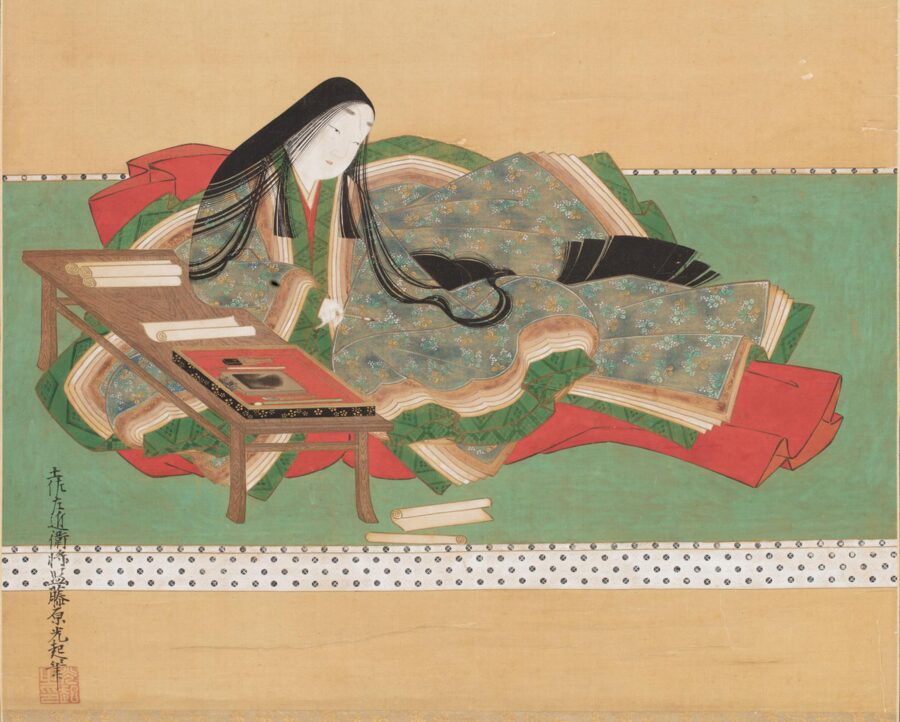
Incense came to Japan with Buddhism, and the Nihon Shoki has a log of fragrant wood washing up on Awaji Island in 595. By the Heian court of the tenth and eleventh centuries, nobles were blending their own kneaded incense, takimono, from aloeswood, cloves, musk and honey, scenting robes over burners and holding contests to judge whose blend was best. The Tale of Genji, finished in the early eleventh century, is full of it.
Kodo as a set discipline took shape later, in the late fifteenth century around the shogun Ashikaga Yoshimasa and the Higashiyama culture that also shaped the tea ceremony. Two founders are still named today. The courtier Sanjonishi Sanetaka is the founder of the Oie-ryu school, carried on by the Sanjonishi family, and Shino Soshin, one of Yoshimasa’s attendants, founded the Shino-ryu, whose head family now lives in Nagoya.
The art splits into two halves. Monko is simply listening, one fine piece at a time. Kumiko (組香), “composed incense”, turns the listening into a game with a theme, usually a poem or a scene from classical literature. Shoyeido, the Kyoto incense house, is blunt about the point of it: the games are not about who wins, they are about entering the world the theme describes.
Genji-ko is a kumiko, and its theme is the whole of The Tale of Genji.

Aloeswood, kyara and the six countries
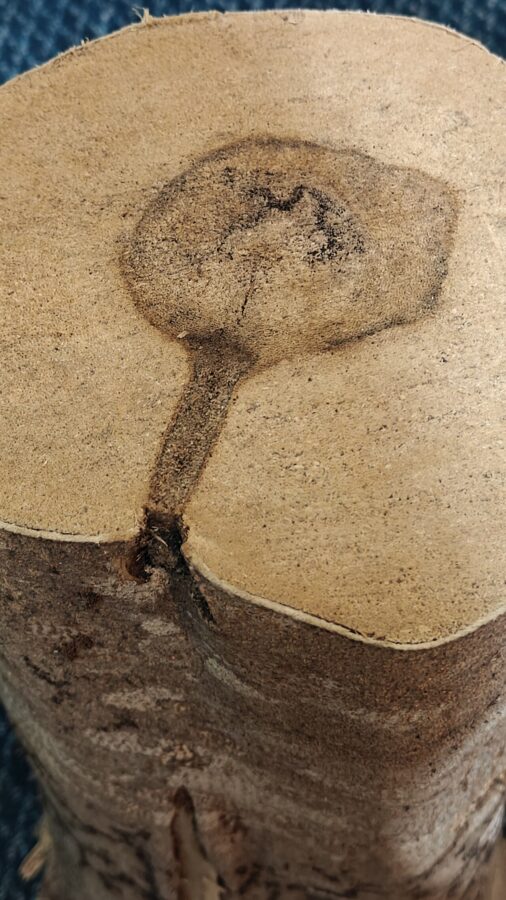
Kodo burns almost nothing but aloeswood, called jinko (沈香) in Japanese and agarwood or oud elsewhere. It starts as an ordinary pale tree of the genus Aquilaria in Southeast Asia. When the tree is wounded or infected it floods the damaged wood with resin, and over decades that resin-soaked heartwood turns dark, heavy and fragrant. The heaviest pieces sink in water, which is what jinko, “sinking incense”, means.
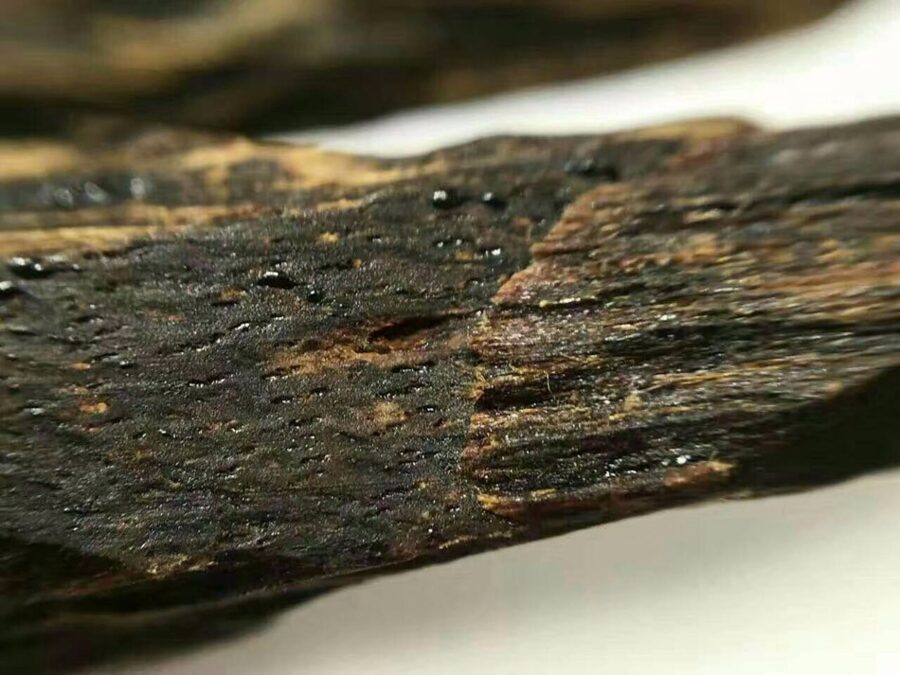
The best grade is kyara (伽羅). Yamadamatsu, the Kyoto incense-wood dealer, says kyara takes so long to form that it has always been valued like gold, and that with supply shrinking it has to be handled in slivers. Aquilaria is now listed under CITES, the treaty that controls trade in endangered species, which is one reason good kodo wood costs what it does.
Because two pieces of aloeswood can look identical and smell nothing alike, the Muromachi masters built a classification still taught today, rikkoku gomi (六国五味), “six countries, five tastes”. The six “countries” are kyara, rakoku, manaka, manaban, sumotara and sasora; they began as places of origin and became categories of scent. The five tastes, sweet, sour, hot, salty and bitter, describe what you notice in each one.
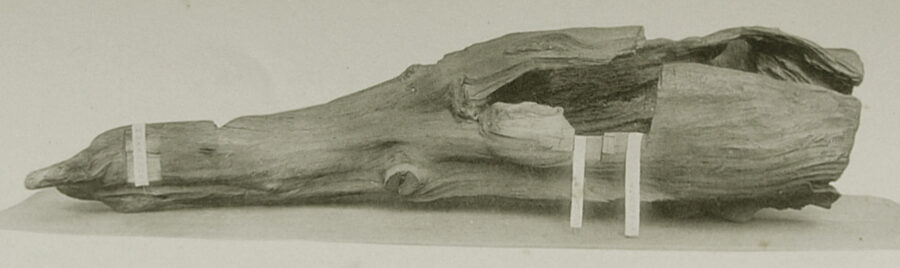
Japan’s most famous piece of this wood is Ranjatai, a log of about a meter and a half kept in the Shosoin, the imperial treasure house in Nara. Its three characters, 蘭奢待, hide the name of the temple Todai-ji inside them. Ashikaga Yoshimasa had a piece cut from it, and Oda Nobunaga took another in 1574, which tells you how far the warlords went for incense.
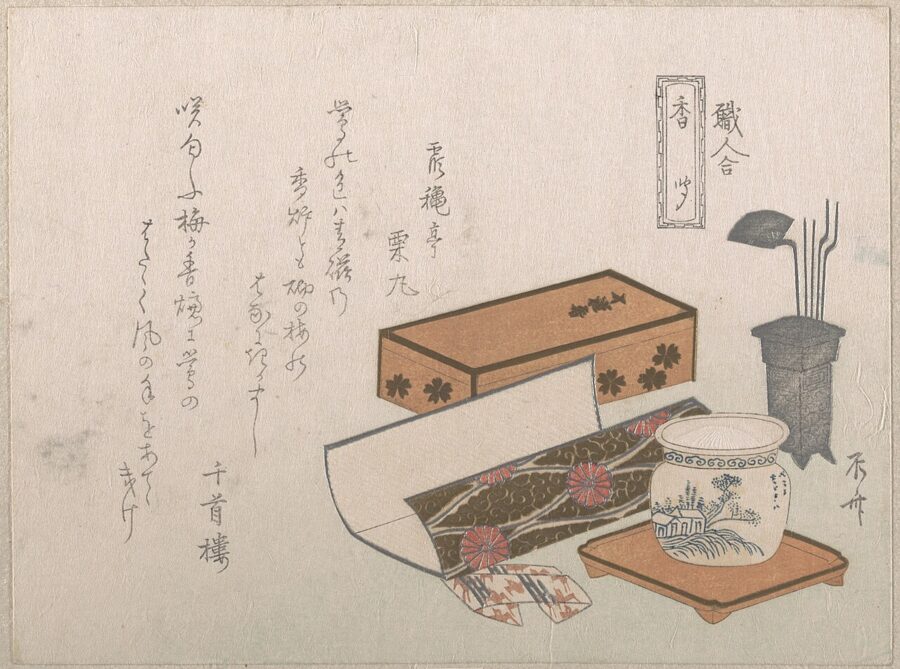
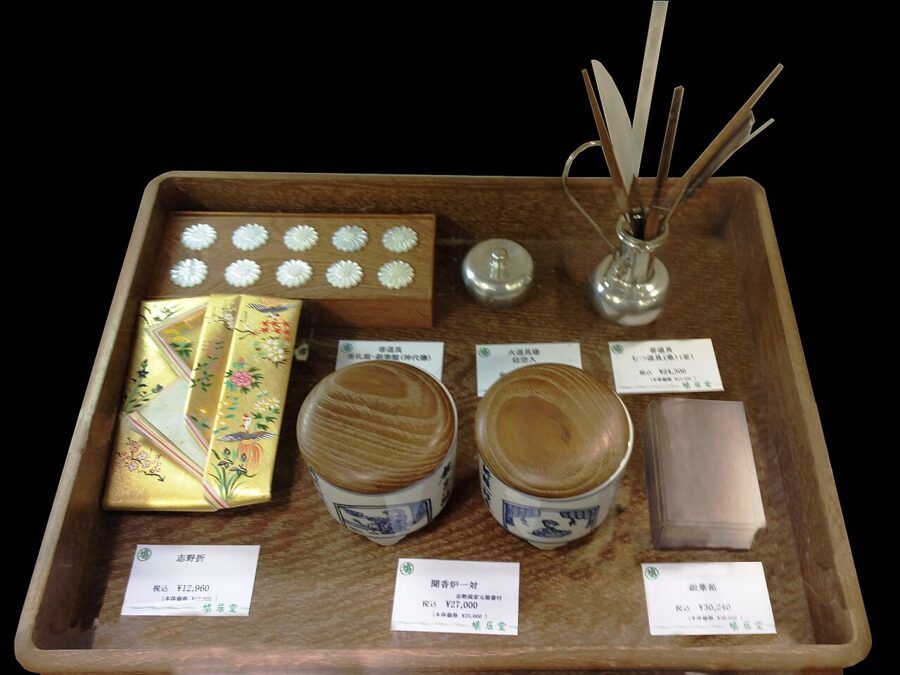
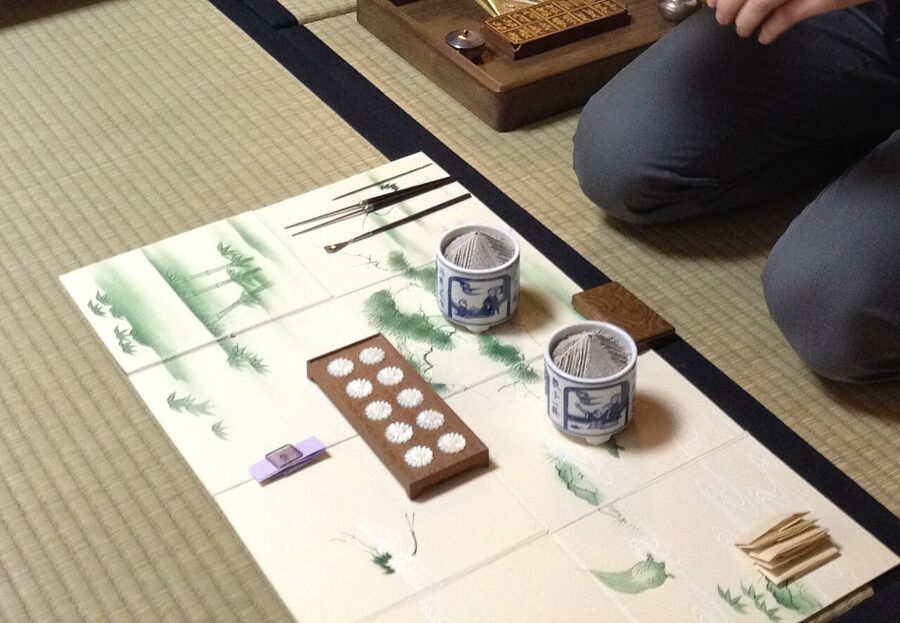
Nobody in kodo lights the wood. The host buries a lit charcoal ball in a cup of fine ash, shapes the ash into a cone, lays a thin mica plate called a ginyo on top, and sets a chip a few millimeters across on the mica. Pressing the plate down or easing it up changes the heat, and the heat decides what you hear. Too hot and the wood scorches; too cool and you get nothing.
How a round of Genji-ko is played
Genji-ko is a game of the Edo period. The accepted date is the Kyoho era, 1716 to 1736, long after the founders of kodo and seven centuries after Murasaki Shikibu. The incense master, the komoto, prepares five different woods and wraps each into five identical paper packets, twenty-five in all. Nobody is told what the woods are, and there is no trial round to learn them first.
The komoto shuffles the twenty-five packets and draws five at random. The first goes onto the mica, and the burner travels from guest to guest. Then the second, and so on, five times.
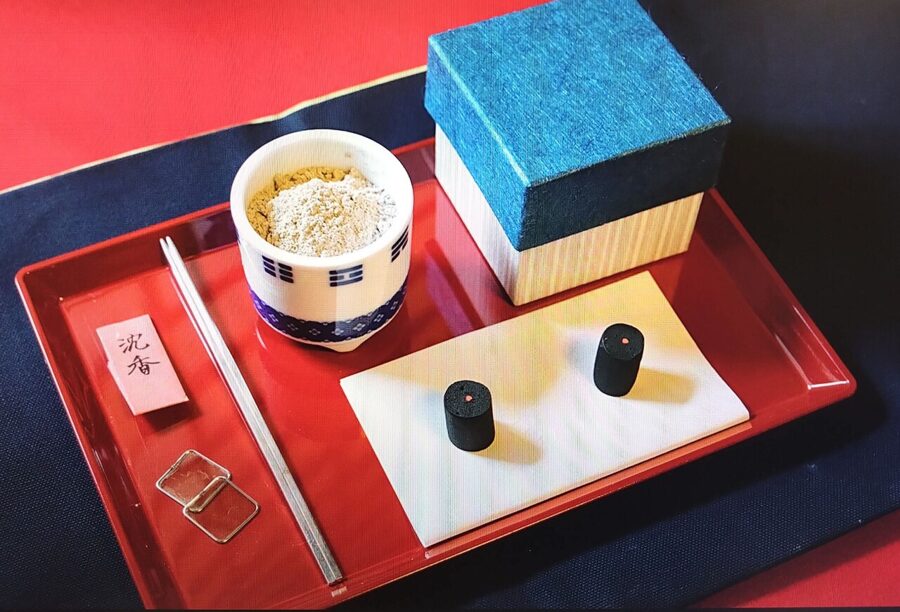

When the burner reaches you, you hold it in your left palm, cup your right hand over the rim so the scent rises through a small opening, and breathe in, usually three times, turning your head aside to breathe out. Exhaling into the ash is the one real sin. You are not trying to name the wood. You only have to remember it well enough to compare it with the next four.

Drawing the answer
After the fifth pass you draw five vertical lines on your answer paper. They read from right to left, as Japanese does: the rightmost line is the first incense, the leftmost the fifth. Any lines you think were the same wood, you join with a horizontal bar across their tops. Two separate matching groups get bars at different heights so they can’t be confused.
Say you thought the second and fifth chips matched and the rest were all different. You join lines two and five, and the shape you have drawn is the pattern called Fujibakama, after chapter 30 of the novel. If the first, second and fourth matched, it is Miotsukushi. You look your drawing up on the chart, the Genji-ko no zu, and write the chapter name as your answer.
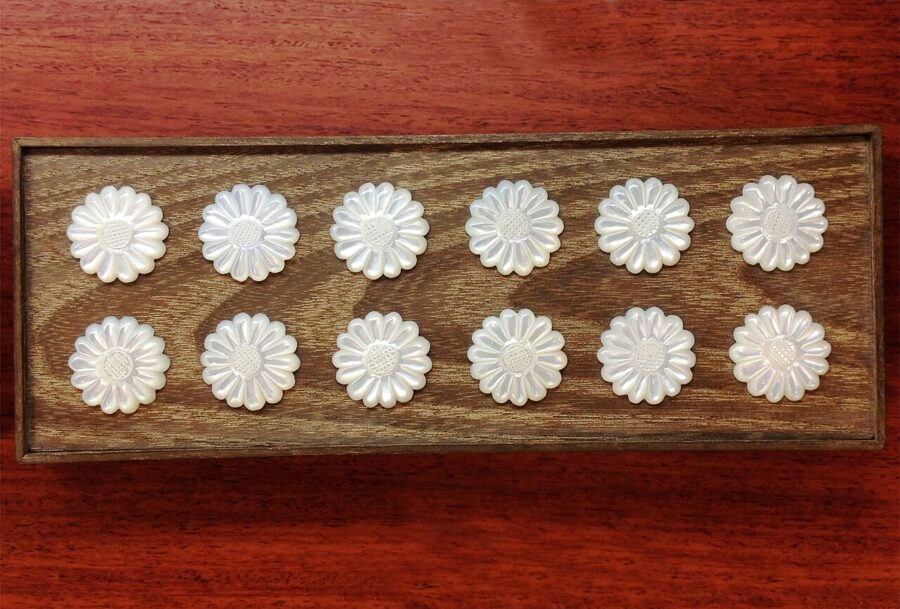
Get all five right and the scribe writes gyoku (玉), “jewel”, next to your name on the record of the session. That record, the koki, lists the game, the woods, every guest’s answer and the date, and it goes home with whoever scored best. It is the only prize.
The odds explain why the game has the reputation it does. Draw five packets from twenty-five and the chance that all five come from different woods is only about 6 percent. The chance that all five come from the same wood, the Tenarai pattern, is one in 10,626. Most rounds land somewhere in the messy middle, two of one, two of another, one stray, and that is exactly where your nose starts to doubt itself.

Fifty-two patterns for fifty-four chapters
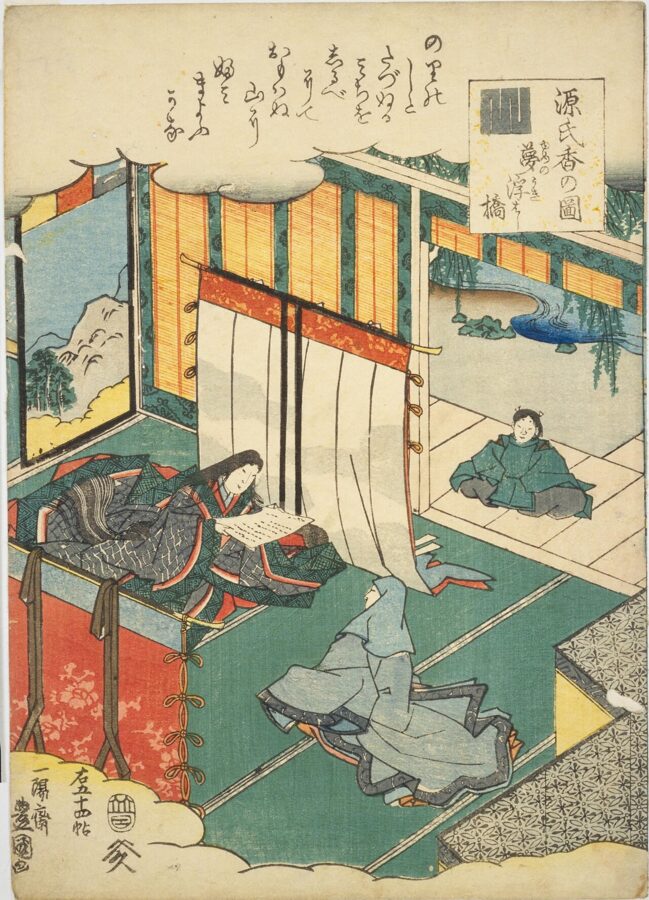
Here is the snag you hit as soon as you count. There are exactly 52 ways to sort five things into groups, a number mathematicians call the fifth Bell number, and The Tale of Genji has 54 chapters. The masters dropped the first chapter, Kiritsubo, and the last, Yume no Ukihashi, and gave the 52 patterns to chapters 2 through 53 in order. Older writing that speaks of “54 Genji patterns” is counting the chapters, not the possible answers.
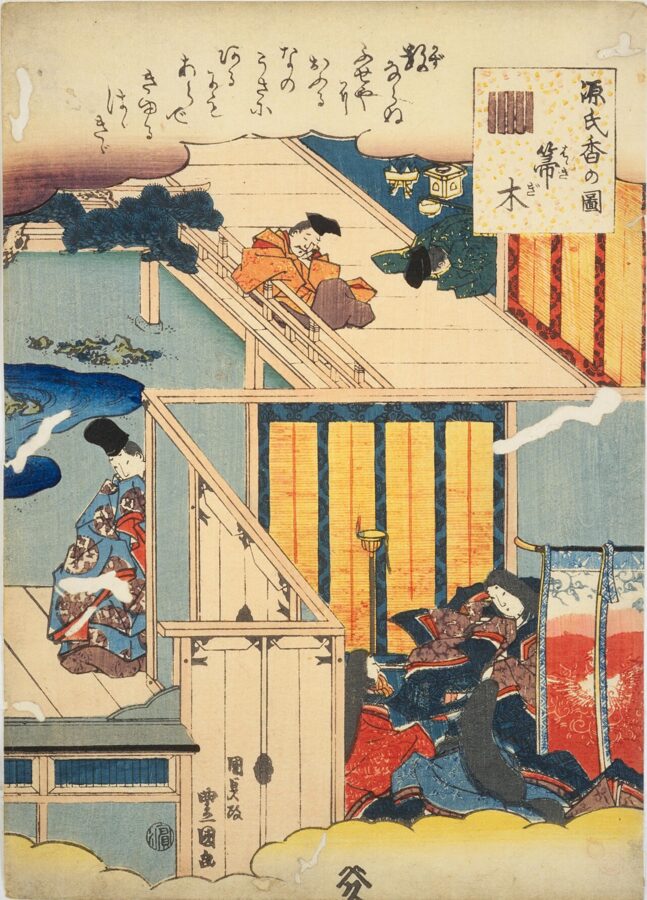
The two ends of the chart are easy to remember. Hahakigi gets five separate lines, nothing matching. Tenarai, the second-to-last chapter, gets one bar across all five. Everything else lives between, and the order roughly runs from many groups to few, but not strictly; some charts nudge a bar up or down to keep shapes from colliding.
Print series that wanted all 54 chapters had to improvise for the two orphans. Kunisada’s set covers all 54 chapters, and its Yume no Ukihashi sheet carries a mark that no round of the game can produce. If you see a Genji-ko chart with 54 marks, two of them are decoration.
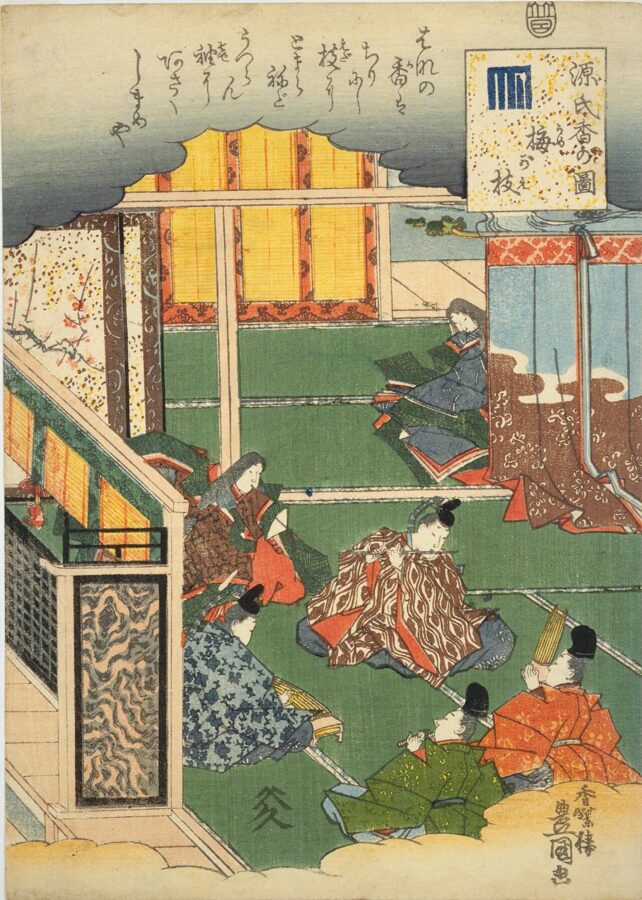
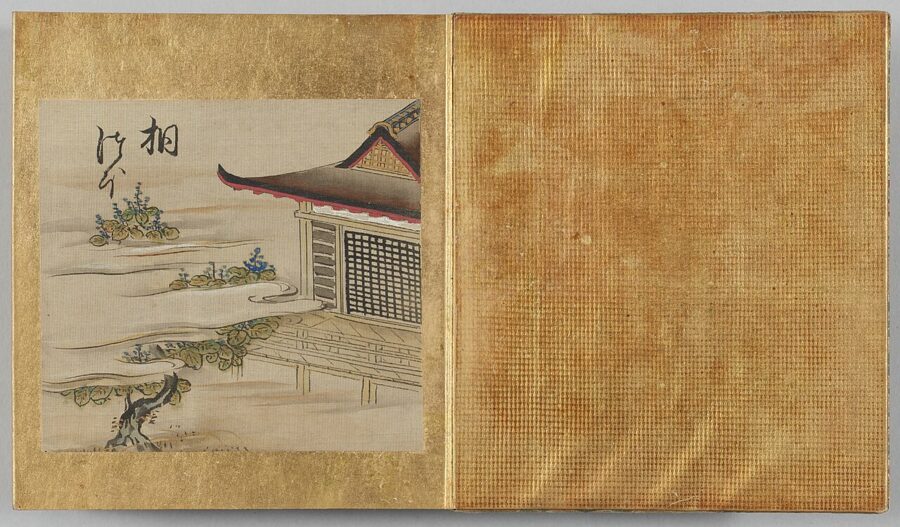
The link between the game and the book is not arbitrary. Incense runs all through Murasaki Shikibu’s novel, and one chapter is built around it. In Umegae, chapter 32, Genji asks the women of his household to blend incense for his daughter’s coming-of-age, and a prince judges the results. Its Genji-ko pattern joins four lines and leaves only the second apart.
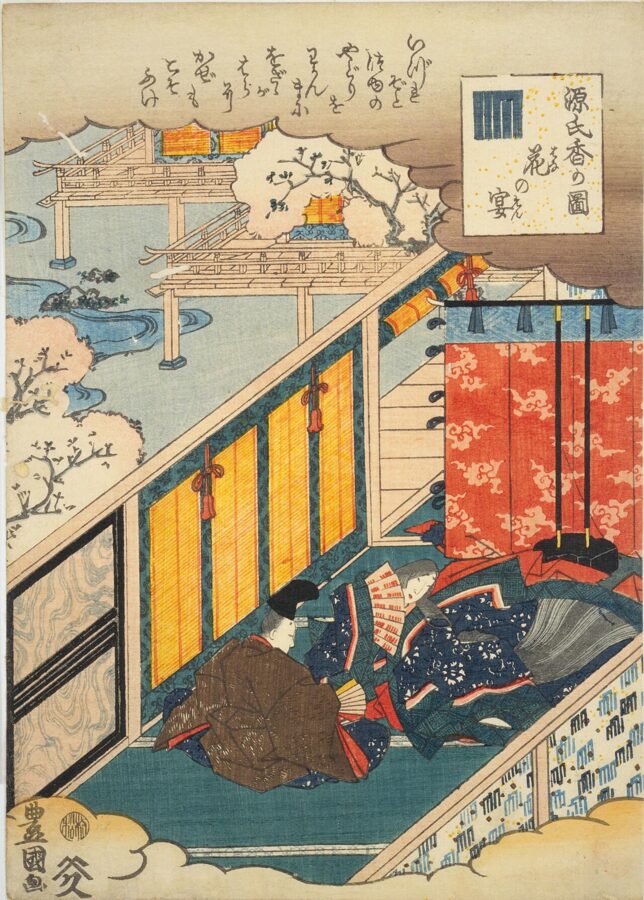
For the guests at a game, that link was the whole pleasure. An educated Edo player knew the chapters by heart, so writing “Hana no En” as your answer also called up the cherry-blossom banquet where Genji meets Oborozukiyo. The answer was a score and a literary allusion at once.
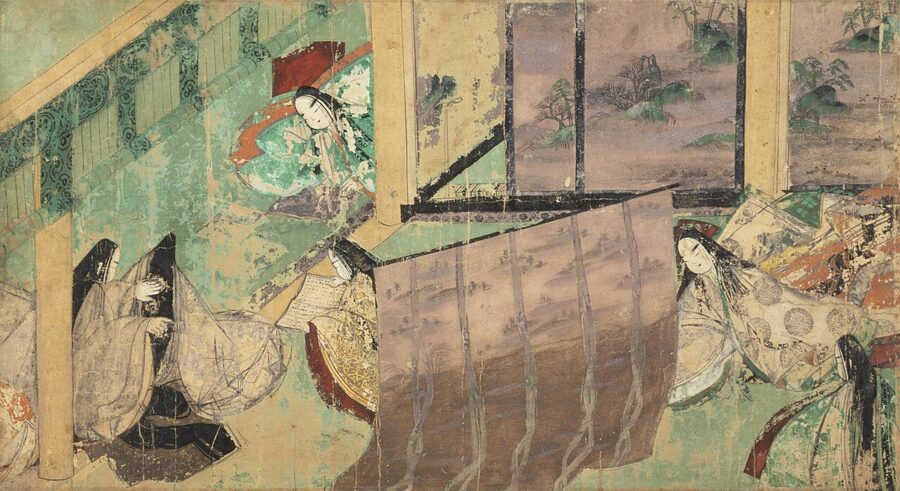
Where the patterns went
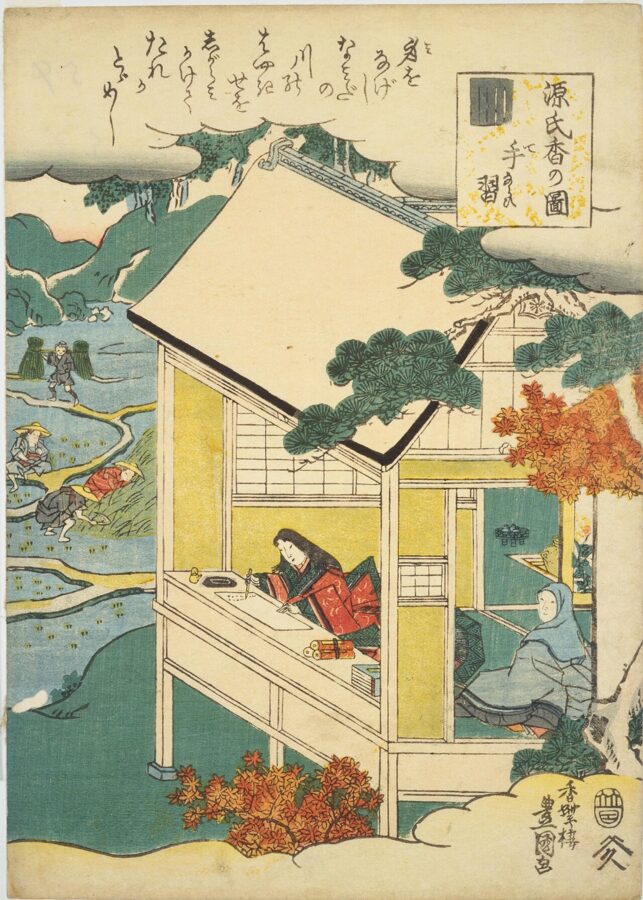
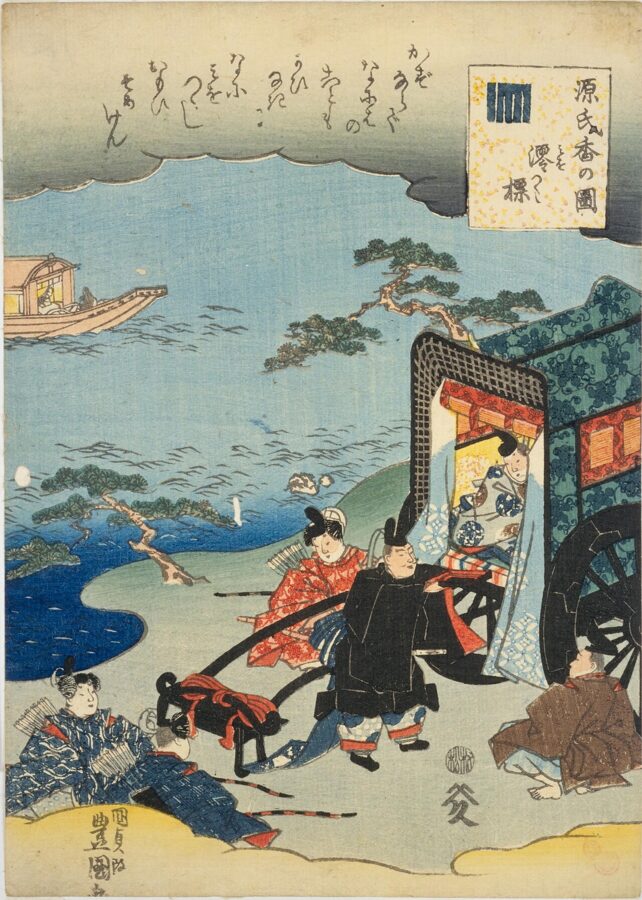
The patterns escaped the incense room in the eighteenth and nineteenth centuries, and the woodblock printers took them furthest. Kunisada’s Genji-ko no zu puts the chapter emblem in the title cartouche of every sheet, so the pattern works as a chapter number. Collectors of ukiyo-e will find the same device on other Genji series of the period, and once you know it, you can date a scene to its chapter without reading a word.
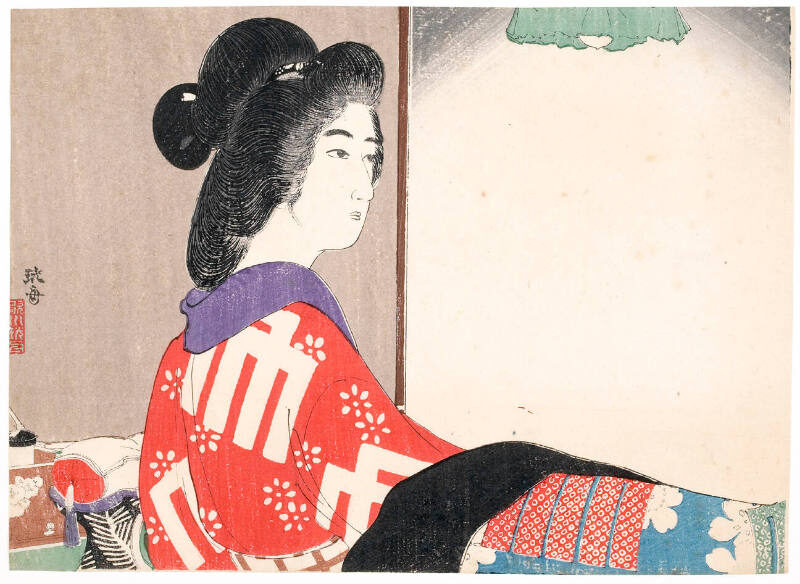
From prints the patterns moved onto kimono and obi and the lids of lacquered stacking boxes. Single emblems also became family crests, kamon, and some wagashi makers shape their sweets after them.
When I look at Genji-ko fabric, the first thing I check is whether the emblems are real. Every true one has exactly five vertical lines, joined only by bars at or near the top. Six lines or bars across the middle mean the designer liked the look and never learned the game. The second check is variety: cheap prints repeat one or two emblems in a grid, while a careful textile works through many of the 52 so the pattern never quite settles.
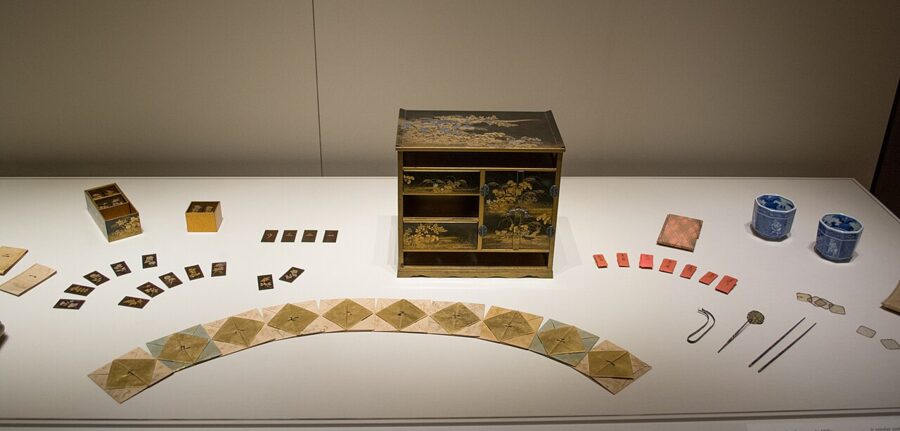

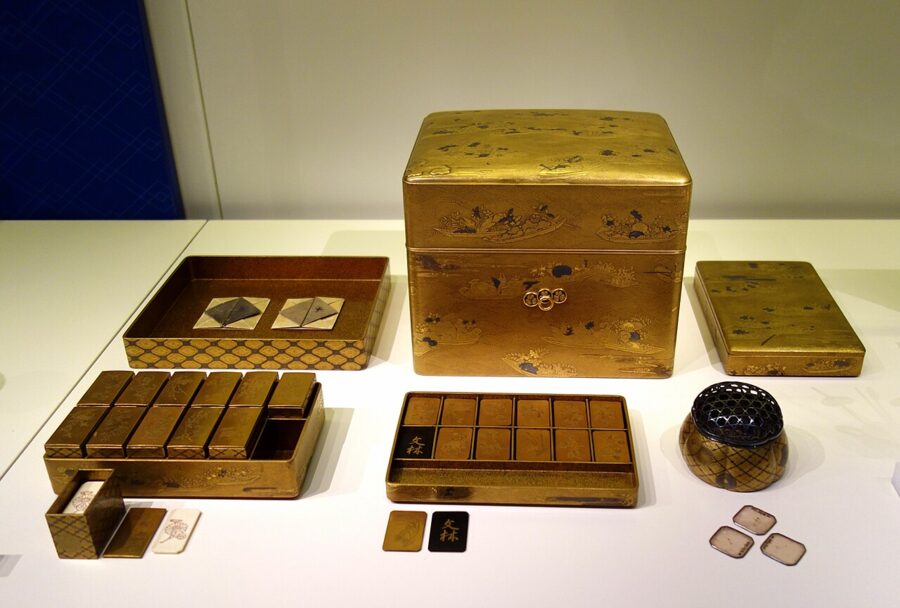
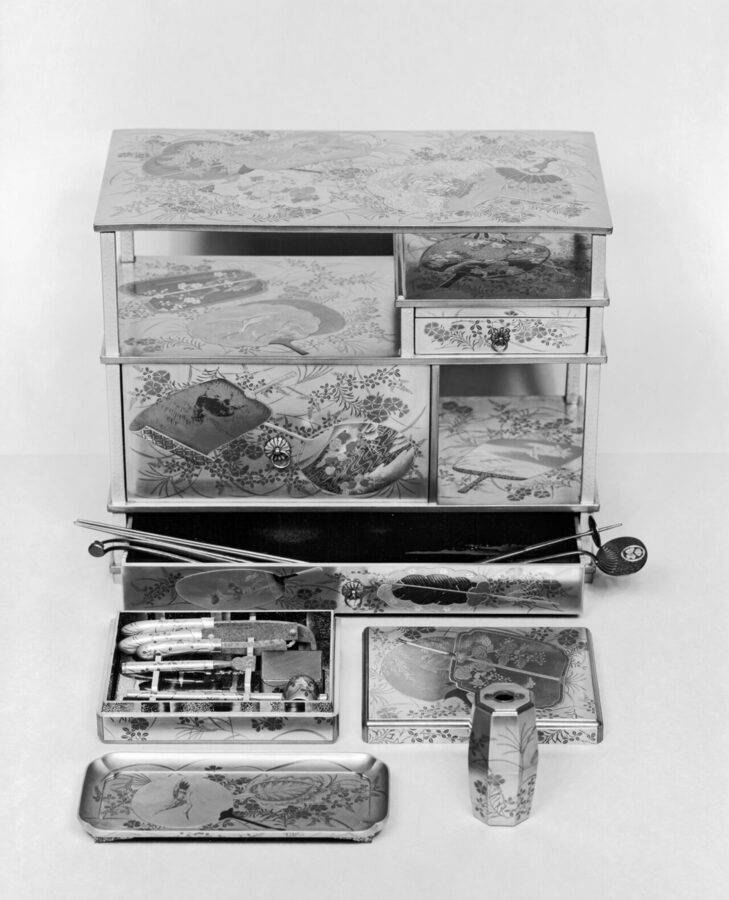
Lacquerers worked the motif into incense boxes and the cabinets that held whole game sets, and the best of those are in museums now. The Victoria and Albert Museum in London has a gold lacquer set from around 1700, the Walters in Baltimore a cabinet with its drawers of tools still in place. They are the closest you will get to seeing what a wealthy Edo household brought out for a game.
The most public modern use I know is on a Ginza street front. When Shoyeido moved its Ginza shop in April 2019, it set three large Genji-ko patterns into the entrance on Nishi-Ginza-dori, shaped like the slatted mushikomado windows of old Kyoto townhouses. It is a shop front that tells you, in the old notation, what is sold inside.
Where to smell it today
Genji-ko itself is rarely on a public calendar, and almost every session is in Japanese. What follows is what the incense houses in Kyoto and Tokyo were offering as of November 2026. Wear no perfume; every one of them asks.
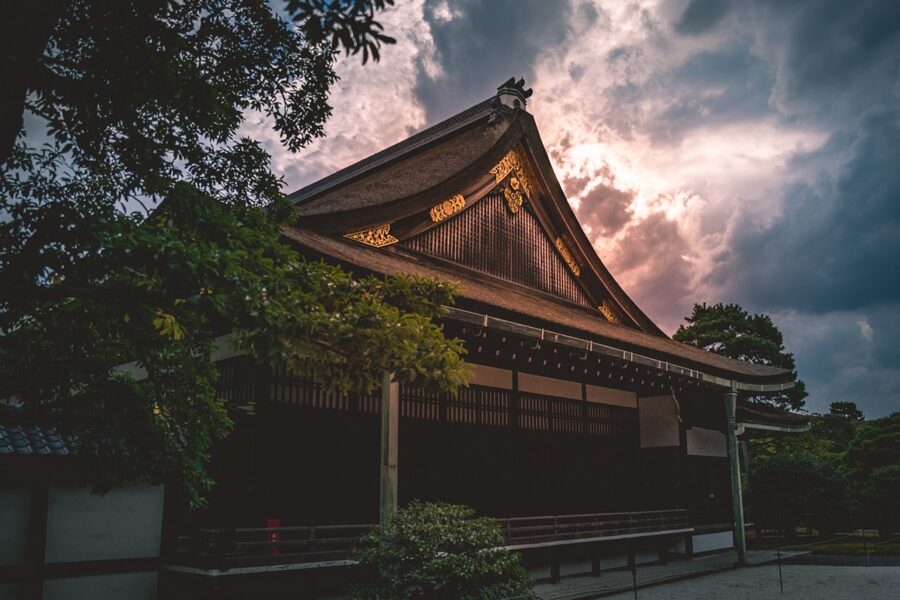
Yamadamatsu, Kyoto: the one place that runs Genji-ko
Yamadamatsu began as a Kyoto medicine dealer in the eighteenth century and turned to incense wood in the later 1700s. It still imports, grades and sells aloeswood and kyara, and its main shop on Muromachi-dori, a short walk west of the palace, is the one place with Genji-ko on its public calendar.
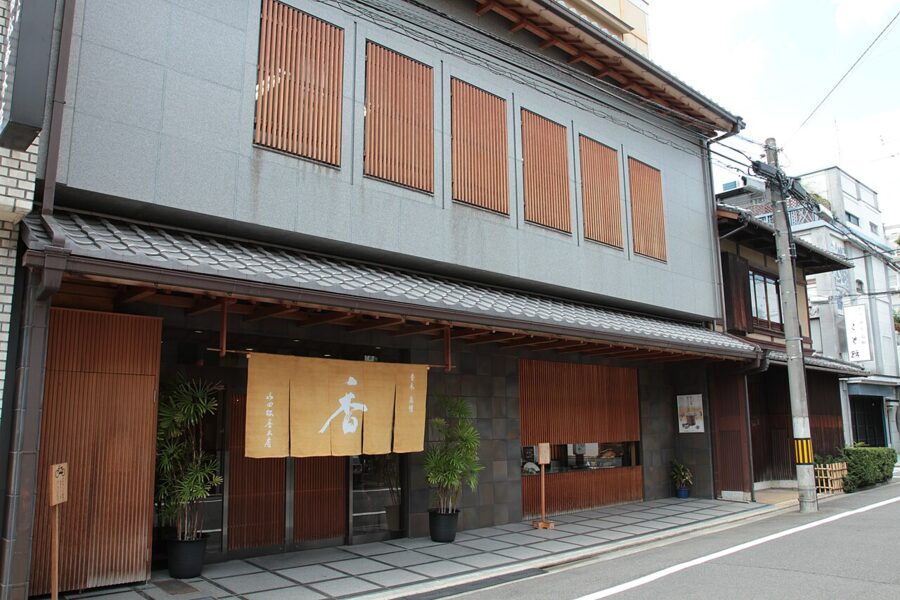

The Genji-ko session costs ¥2,750 (about $17) as of November 2026, starts at 3pm, lasts about 50 minutes and takes two to six people, seated on chairs. Dates are on the shop’s calendar, and booking is by phone only, Monday to Saturday from 9am to 5:30pm, by the day before. The shop does not say whether it guides in English, so plan on Japanese or bring someone who speaks it.
The shop itself is open 10:30am to 5pm and closes on the third Sunday of each month, at Obon and over the New Year; this winter that means from the afternoon of December 29 to January 5, 2027. It also blends sachets to order from ¥8,800 (about $55). Yamadamatsu has a Tokyo shop near Hanzomon Station, open weekdays 10:30am to 5:30pm, but its listening session there is suspended.
Shoyeido, Kyoto and Ginza: listening sessions
Shoyeido traces itself to around 1705, when Hata Rokuzaemon Moriyoshi hung out the shop curtain of a business called Sasaya in Kyoto. The main shop is on Karasuma-dori just north of Nijo, open every day except at New Year from 9am to 6pm. Next door is Kunjukan, a free incense museum the company opened in 2018 in a renovated 1959 building, open 10am to 5pm with irregular closing days.
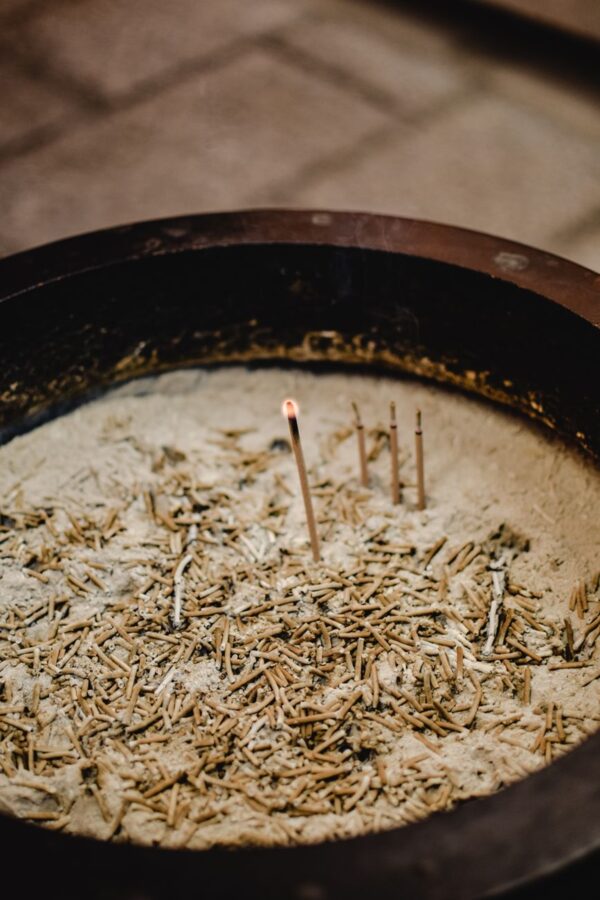
Kunjukan runs a monthly monko session, not Genji-ko but the same listening with a burner in your palm. The next date is Saturday December 19, 2026, with seatings at 10:30am and 1pm, sixteen places each, and ¥4,400 (about $28) with tea if you book online. Guidance is in Japanese only, and translation devices are not allowed during the session.
In Tokyo, Shoyeido’s Ginza shop at Ginza 7-3-8, the one with the Genji-ko front, is open 10am to 7pm, to 6pm on weekends and holidays. It holds a small listening salon called Hitotoki; the December 2026 session is on the 12th, ¥3,300 (about $21) booked online, ten people per seating, again in Japanese only.
Kyukyodo, Kyoto and Ginza: the shops
Kyukyodo opened in 1663 as an apothecary at the gate of Honno-ji temple on Teramachi in Kyoto, and it is still there, selling incense, sachets, brushes and paper. The Kyoto and Tokyo businesses now run separately. The Kyoto shop is open 10am to 6pm and closes January 1 to 4.
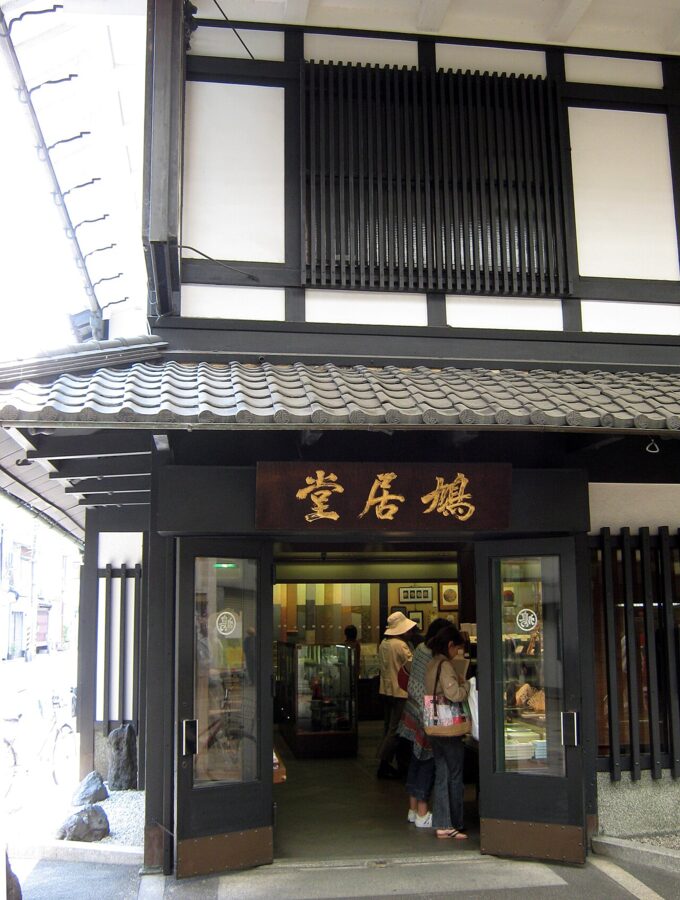

Don’t go to Kyukyodo for kodo. Its Kyoto listening room closed “for the time being” in December 2022 and had not reopened as of November 2026. Go for the incense and the paper; it is one of the best places in Japan to buy a sachet or a box of good sticks as a gift.
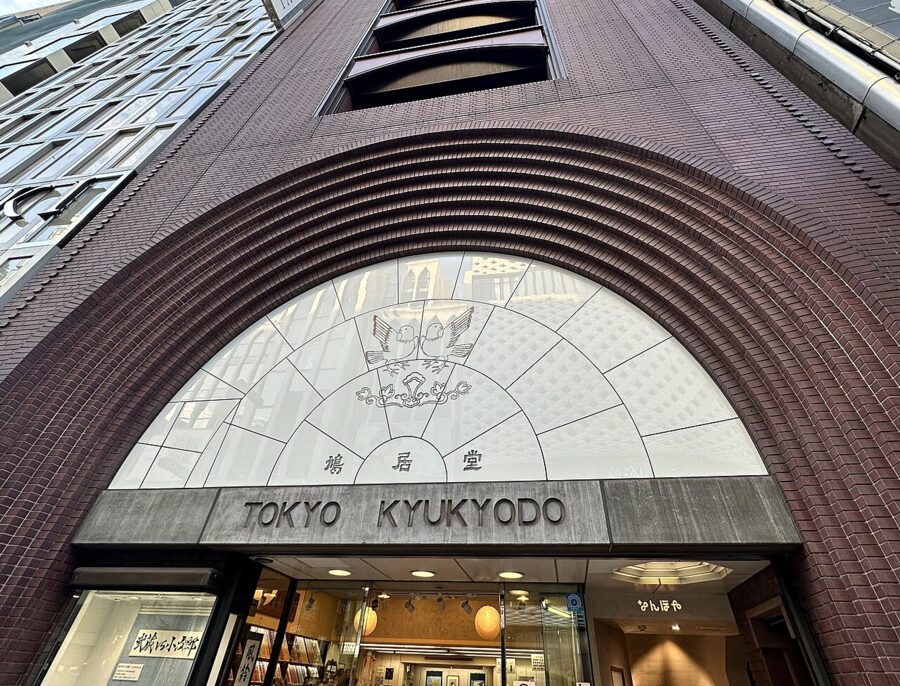

Tokyo Kyukyodo’s main shop is at Ginza 5-7-4, open 11am to 7pm and closed January 1 to 3. Shoyeido’s Ginza shop is a few minutes’ walk away, so you can see both in an hour.
Kungyokudo, Kyoto: the oldest
One more for Kyoto. Kungyokudo opened in 1594 as a medicine dealer to the temple across the road, Nishi Hongan-ji, and has stayed in the same family. Its incense room, Yorotei, was rebuilt in the late Edo period after the great fire of 1788 and is still used to teach the Shino-ryu school. The shop is open 9am to 5:30pm and closes only over the New Year.
| Shop | What you can do | Hours (as of November 2026) |
|---|---|---|
| Yamadamatsu, Kyoto main shop | Genji-ko session, ¥2,750; phone booking | 10:30am to 5pm; closed 3rd Sunday, Obon, New Year |
| Yamadamatsu, Hanzomon (Tokyo) | Shop; listening session suspended | 10:30am to 5:30pm; closed weekends and holidays |
| Shoyeido, Kyoto main shop and Kunjukan | Monthly monko session, ¥4,400; free museum | Shop 9am to 6pm daily; Kunjukan 10am to 5pm |
| Shoyeido, Ginza | Hitotoki listening salon, ¥3,300 | 10am to 7pm; weekends and holidays to 6pm |
| Kyukyodo, Kyoto | Shop only | 10am to 6pm; closed January 1 to 4 |
| Tokyo Kyukyodo, Ginza | Shop only | 11am to 7pm; closed January 1 to 3 |
| Kungyokudo, Kyoto | Shop | 9am to 5:30pm; closed over New Year |
If you only have one afternoon, make it Yamadamatsu at three o’clock. Half an hour in, the burner comes round for the fifth time, and you have five lines to draw and no idea which ones to join.