
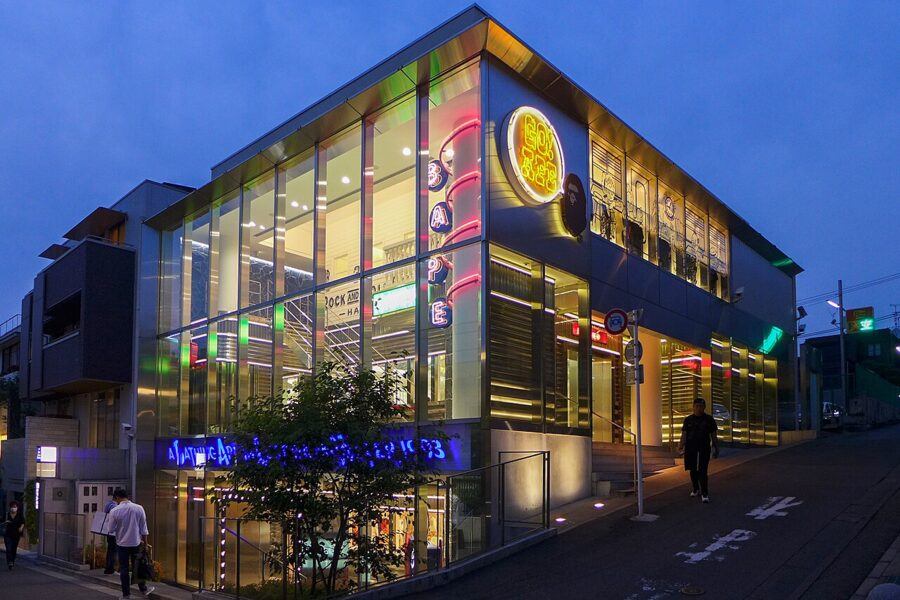
In January 2011 a Hong Kong retailer bought 90 percent of the company behind A Bathing Ape for ¥230 million, about $2.8 million at the time. Eight years later a single painting from its founder’s own collection, KAWS’s The Kaws Album, sold at Sotheby’s in Hong Kong for $14.8 million.
Set side by side, the two numbers read like a scandal. They are mostly an accounting story. The buyer also took on billions of yen in bank loans and shop leases, and the brand it bought still runs stores from Harajuku to Dubai.
The ape itself started small: a T-shirt print sold out of a shop with no sign, on a street most of Tokyo had never heard of. Its founder, a former magazine stylist called Nigo, made a few dozen shirts a week and gave half of them away. What follows is how that turned into a ¥7.5 billion business (roughly $65 million at 2006 exchange rates), why it changed hands for so little, and where you can still see it in Tokyo.


In this article
Nowhere, April 1993
Tomoaki Nagao was born in Maebashi, Gunma, in December 1970. He studied at Bunka Fashion College in Tokyo and started out as a stylist and writer for Popeye and Hot-Dog Press, the magazines that told Japanese boys what to wear.
The name came from a shop manager in Harajuku who thought he looked like Hiroshi Fujiwara, the DJ and designer who more or less invented Tokyo street fashion. He became “Fujiwara Hiroshi No. 2,” and the “No. 2” (nigo, 二号) stuck.

On April 1, 1993, Nigo and his Bunka schoolmate Jun Takahashi opened a shop called Nowhere in the backstreets of Harajuku. Nigo borrowed ¥4 million (about $36,000 at the time) from an acquaintance to do it, with Fujiwara’s help behind the scenes. The name was a pun the two liked: “no where” and “now here.” Takahashi sold his own label, Undercover, on one side; Nigo sold things he had bought for his magazine columns on the other.
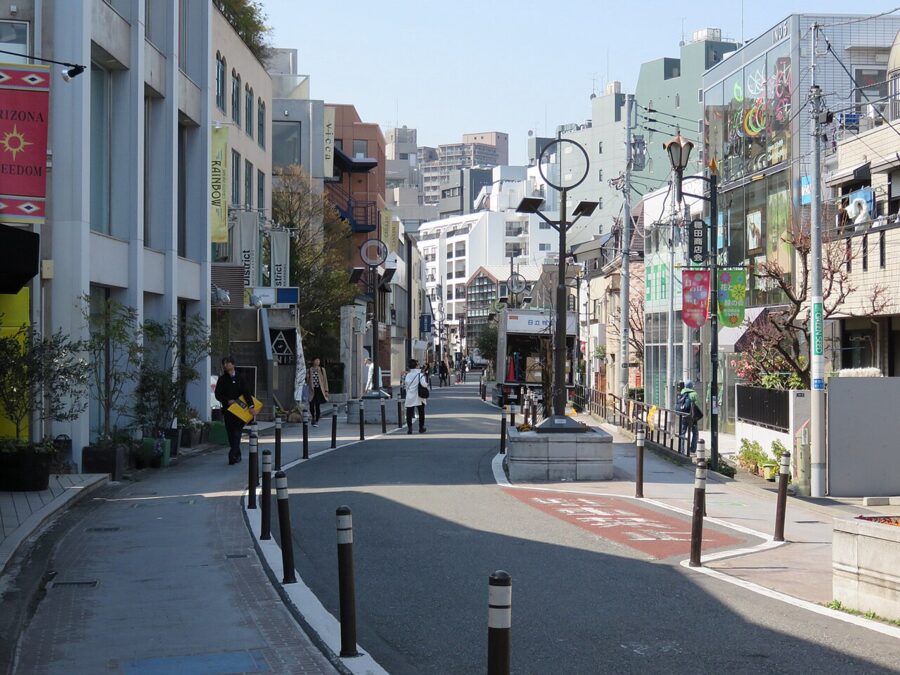
The neighborhood was the point. Ura-Harajuku (裏原宿), “back Harajuku,” is the tangle of lanes in Jingumae 3-chome and 4-chome, away from Omotesando and Takeshita Street. The lanes were awkward to reach, so rents were low, and young designers who could not afford the main streets moved in.
Many of the shops had no sign at all, or a name stamped small on the floor by the door, or sat in a basement. Inside, it was hard to tell the staff from the customers.
Nigo’s half of the shop did not sell well at first. As copycat select shops opened nearby, he decided to make his own clothes instead, starting with printed T-shirts. That line, launched in 1993, was A Bathing Ape.
An ape in lukewarm water
The ape came from Planet of the Apes, the 1968 film that had stuck with Nigo since childhood. The full name is “A Bathing Ape in Lukewarm Water” (nurumayu ni tsukatta saru, ぬるま湯に浸かった猿), a Japanese jab at someone grown comfortable and lazy. Japanese baths run hot, above 40°C (104°F), so a bath gone lukewarm means you have sat in it far too long. It was a joke at the expense of the brand’s own customers: the well-off Tokyo kids of the early 1990s.
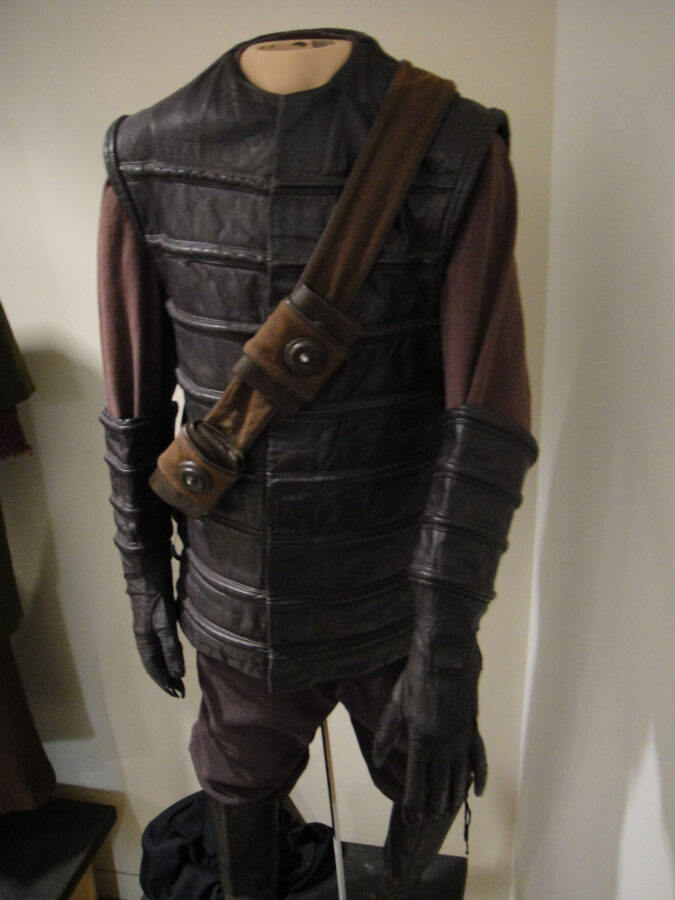

The graphic artist Sk8thing, who worked with Fujiwara, drew the Ape Head logo and is credited in Japan with the name itself, taken from an illustration by the manga artist Takashi Nemoto of a monkey soaking in a hot spring. Nigo printed it on T-shirts in tiny runs. By the brand’s early telling he made 30 to 50 shirts a week for two years, sold half and gave the other half to friends.
The friends mattered. Cornelius (Keigo Oyamada) and the rap trio Scha Dara Parr wore the shirts on stage, and BAPE printed tour shirts for them. Kids who had never found the shop saw the ape in magazines and on television, and then could not buy it.
Camouflage with faces in it
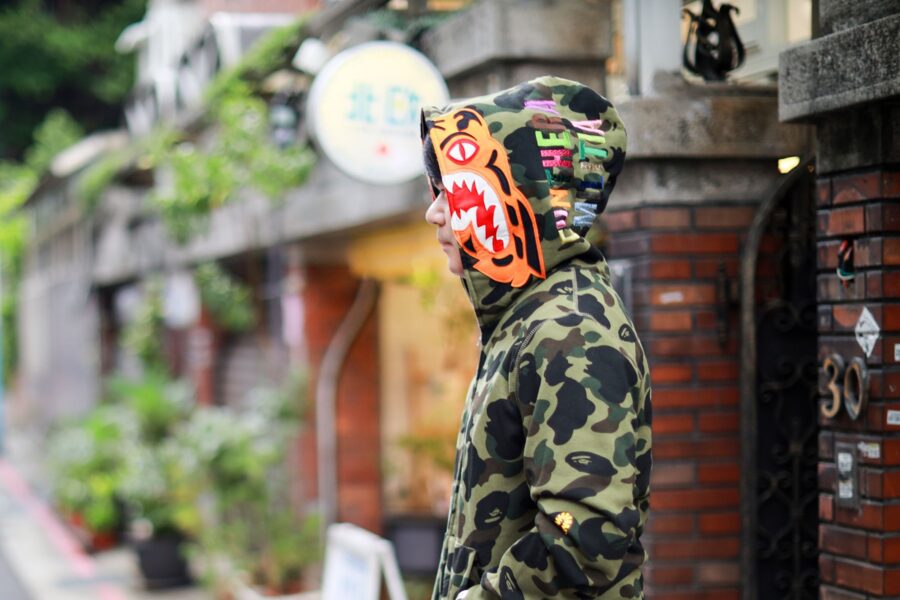
BAPE’s signature print is an army camouflage with a twist: each blob of color is drawn so that the Ape Head shows up inside it, over and over. From a few meters it reads as ordinary woodland camo. Up close you start to find the faces, and once you have seen one you cannot stop seeing them. The brand still sells the original version as “1st Camo.”
A second character followed, Baby Milo, a round cartoon monkey for the kids’ line and the brand’s toys. And the rule that made it all work was scarcity. New pieces came out in quantities well below demand, and at the height of the craze buying anything new from BAPE meant queuing.
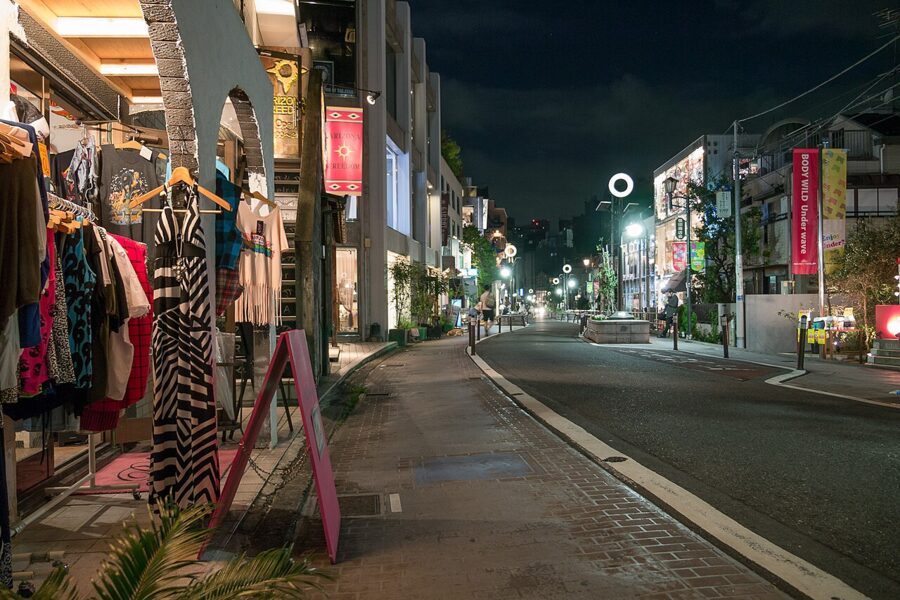

Queues, BAPE STAs and Pharrell
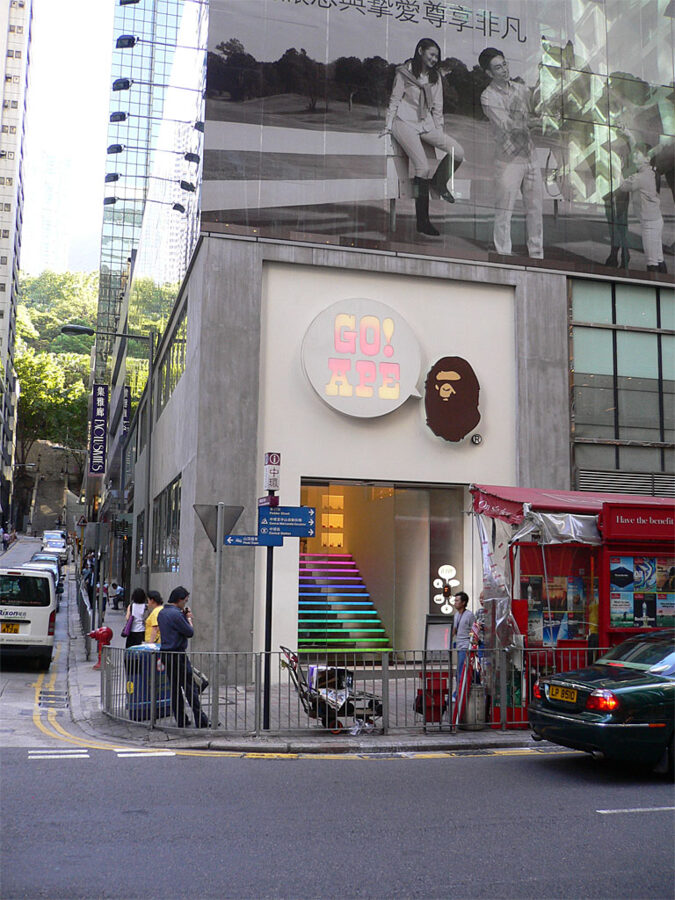
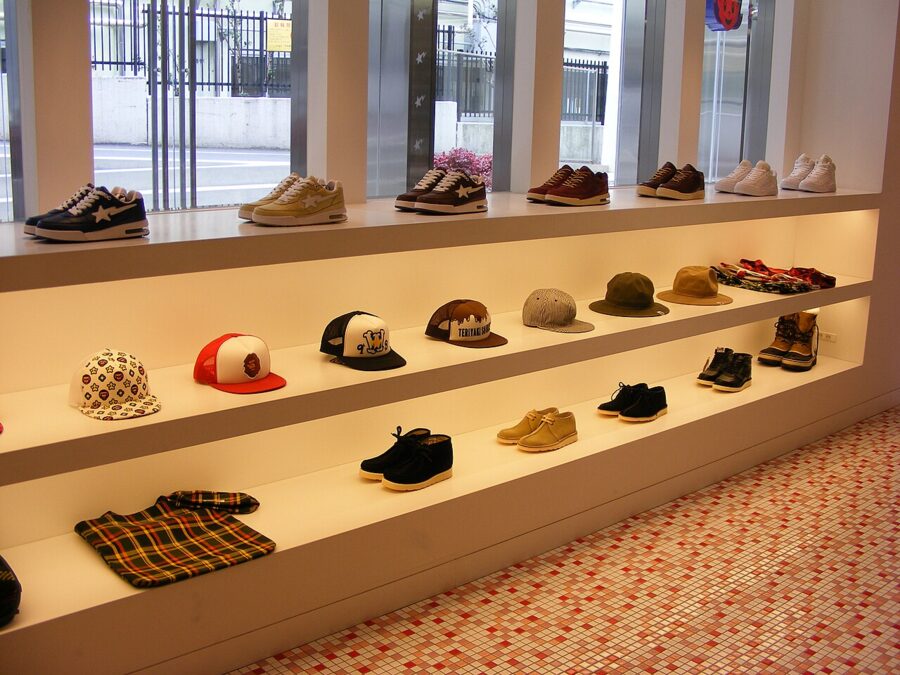
From 1998 the BAPE STORE shops were designed by the interior designer Masamichi Katayama and his studio Wonderwall, in Harajuku and Shibuya and then in Hong Kong, New York and London. They were built like galleries: bright, spare, product on shelves like objects in a case. A BAPE store was where you went to look, then to queue.

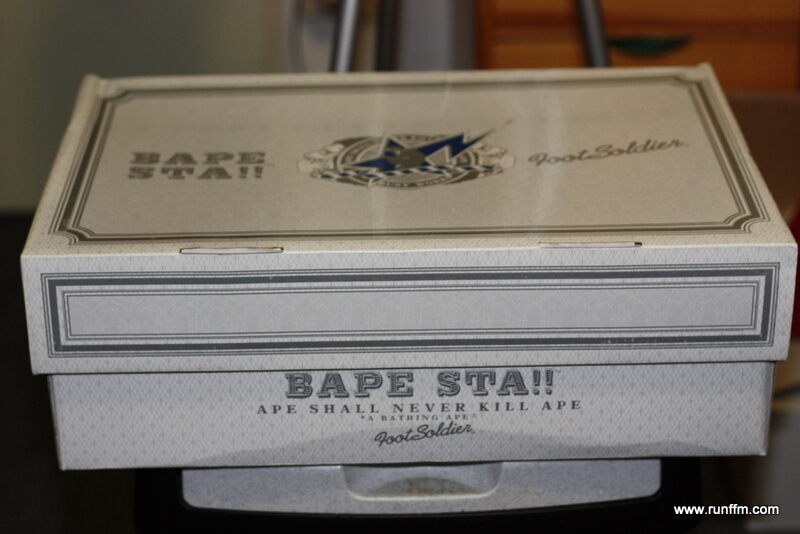
The shoe that carried it abroad was the BAPE STA, first sold in the early 2000s. It borrowed the silhouette of Nike’s Air Force 1 and swapped the swoosh for a star with a lightning bolt through it. The uppers came in patent leather in colors Nike would not touch, and the shoe went straight onto the feet of American rappers.

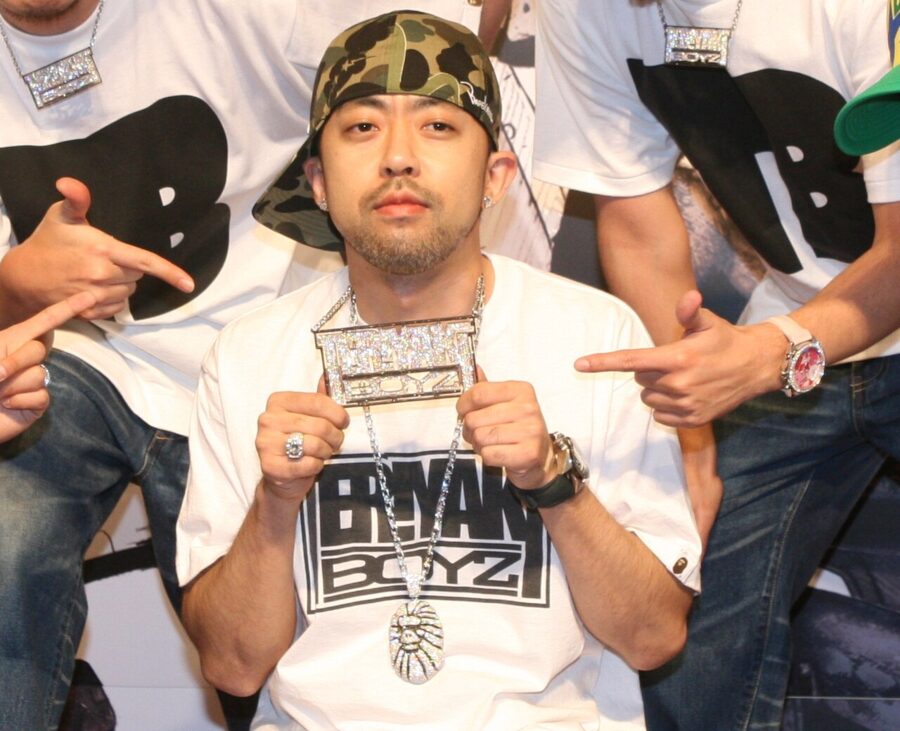
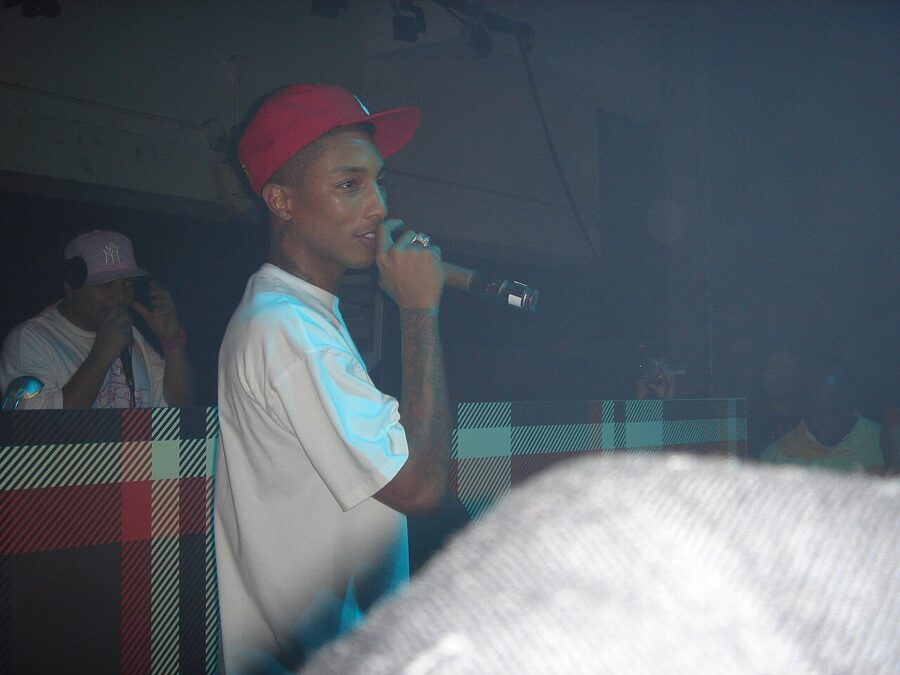
Pharrell Williams was the bridge. In the mid-2000s he and Nigo launched Billionaire Boys Club and the shoe line Ice Cream, with Nigo co-designing; English and Japanese sources put the start at 2003 and 2005 respectively. Kanye West and Lil Wayne wore the camo. Nigo became the DJ of Teriyaki Boyz, a Japanese rap group whose 2005 debut album had production from Pharrell’s team, The Neptunes.

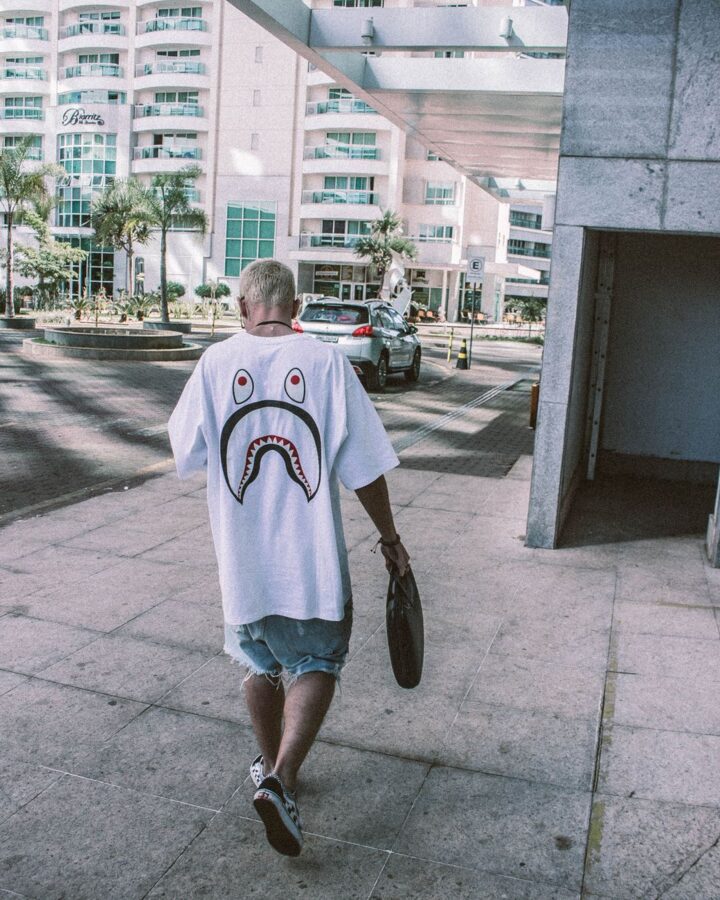
The Shark hoodie belongs to the same years. It is a full-zip hoodie whose zip runs over the top of the hood, so that zipped all the way up it closes over your face, with a shark’s mouth printed across it. Nobody needed one. Everyone wanted one.

Then the brand got everywhere. There were Pepsi cans in camo (2001), a camo Winnie the Pooh with Disney (2006) and a camo Mickey (2008), a Nintendo DS Lite in BAPE colors (2008), a BAPE-sponsored pro-wrestling event with All Japan Pro Wrestling, and condoms with Sagami Rubber called BAPE CAP. There was a BAPE CAFE!?, a hair salon called BAPE CUTS, a gallery in the Kyoto store, a seasonal magazine published with Takarajimasha from 2005, and from March 2010 a suit line, Mr. BATHING APE, sold through United Arrows.
Sales peaked at about ¥7.5 billion a year in 2006 and 2007, by Nigo’s own figure. I’d date the turn to the condom wrapper. A label built on being hard to find had put its camo on everything, and in Japan, where it was easiest to find, the kids who had queued in 1997 moved on.
What ¥230 million actually bought
By the year to August 2010, annual sales had fallen to about ¥5 billion. Men’s clothing, more than four-fifths of the business, carried most of the drop. Nowhere Co., the company that owned the brand, lost ¥267.43 million (about $2.9 million) in the year to August 2009 and ¥119.05 million the year after. By August 2010 it had net liabilities of ¥1.25 billion (about $13.9 million then), and around ¥4.31 billion (about $52.8 million) of bank loans and shop leases behind it.
Nigo had already stepped down as Nowhere’s president in 2009, keeping the creative job and starting a new company of his own, Nigold. The buyer he found was I.T Limited, a fashion retailer listed on the Hong Kong stock exchange and run by its founder, Sham Kar Wai. By Nigo’s account, I.T had already helped grow BAPE in Hong Kong.
The agreements were signed on January 31, 2011. I.T bought 468 shares, 63.24 percent of Nowhere, from Tomoaki Nagao himself for ¥120 million, and another 200 shares, 27.03 percent, for ¥110 million. That made 90.27 percent for ¥230 million, or HK$21.85 million in cash, the “$2.8 million” of every headline since.
| Deal term | Figure | Source |
|---|---|---|
| Stake bought | 90.27% of Nowhere Co. (668 shares) | I.T announcement, Feb 2011 |
| From Nagao (Nigo) | 468 shares, 63.24%, ¥120 million | I.T announcement |
| Further shares | 200 shares, 27.03%, ¥110 million | I.T announcement |
| Cash paid | HK$21.85 million (about $2.8 million then) | I.T annual report 2010/11 |
| Net liabilities taken on | HK$36.6 million at fair value | I.T annual report 2010/11 |
| Loans assumed and refinanced | HK$160.9 million taken over; a new HK$200 million loan to refinance Nowhere’s debts | I.T annual report 2010/11 |
| Nigo’s role | Creative director for an initial two years | I.T announcement |
Read the annual report and the “only $2.8 million” falls apart. The cash was the price of the shares in a company that owed more than it owned. I.T booked HK$58.5 million of goodwill on the deal, took over HK$160.9 million of Nowhere’s bank loans and borrowed another HK$200 million to refinance the rest. In February 2011 alone, its first month under I.T, Nowhere brought in HK$43.4 million (about $5.6 million) in revenue.
Nigo was frank about it. “About two or three years ago the brand and the company got too big for me to handle,” he told a fashion trade paper that February, and “Basically, I can’t do business. I’m not suited for it.”
He disputed that the company had made losses on its own accounting basis. He said he had never missed a payment or paid staff late, and that he chose a sale over a court-supervised restructuring under Japan’s Civil Rehabilitation Law because “I didn’t want to damage the brand.”
I.T promised the usual medicine: cost controls, a new capital structure, faster design and production cycles. Six weeks after the deal, the March 11 earthquake hit eastern Japan. I.T reported that none of Nowhere’s stores were damaged and that all were back to normal by April 2011.

Nigo, after the ape
Nigo stayed on as creative director for the two years in his contract and left A Bathing Ape on April 30, 2013, twenty years after Nowhere opened. He already had a new label, Human Made, started in 2010 around vintage American workwear and a heart-shaped logo.
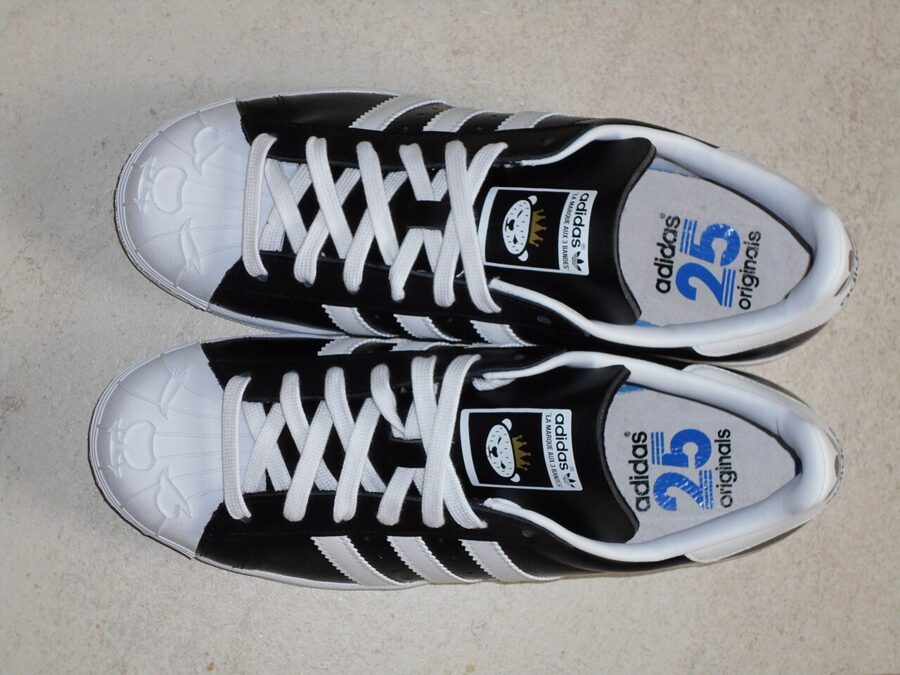
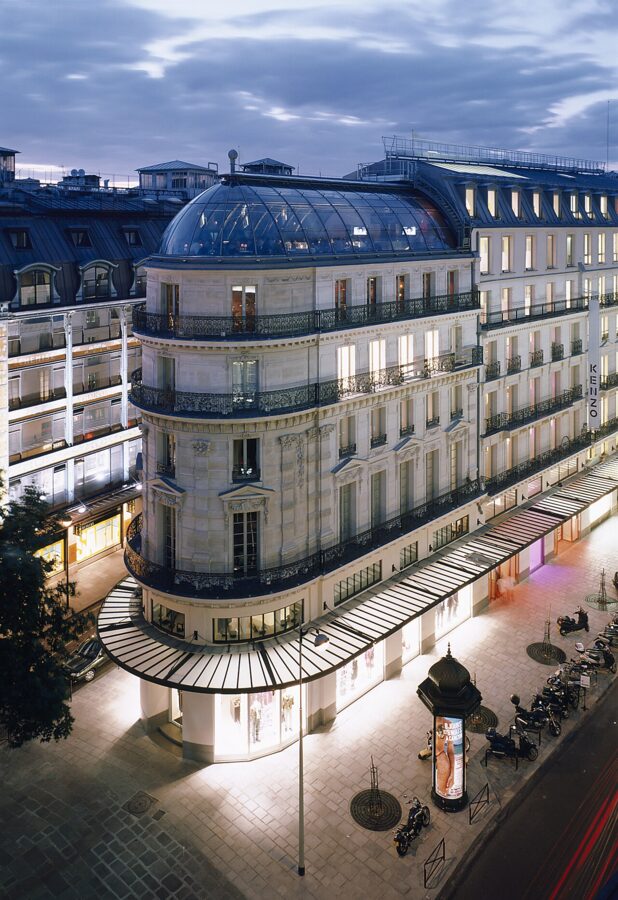
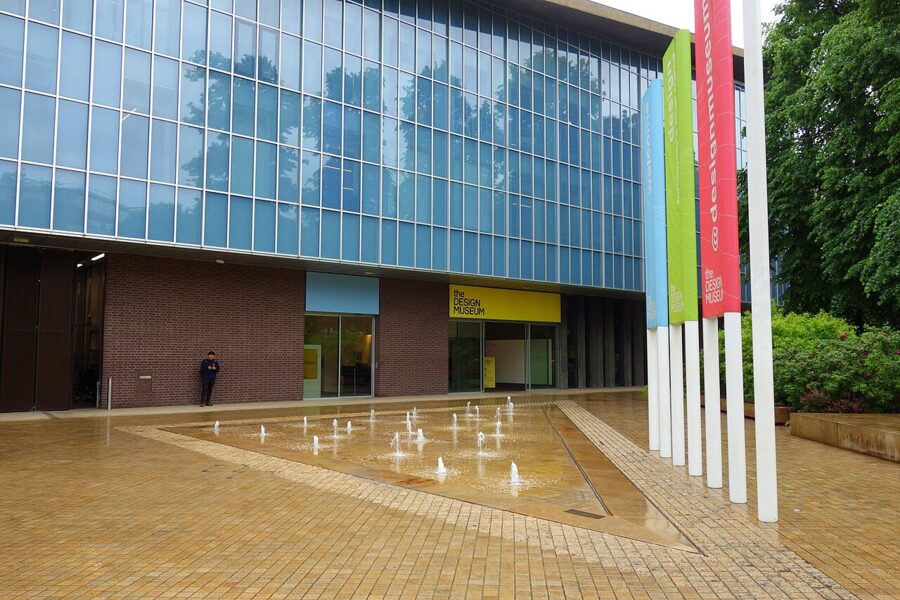
He ran Uniqlo’s UT T-shirt line for a time, began a long partnership with adidas Originals in 2014, made a capsule collection with Virgil Abloh at Louis Vuitton in 2020, and was named artistic director of Kenzo in September 2021, the first Japanese designer to lead the house since Kenzo Takada. He still held the job as of Kenzo’s Fall-Winter 2026 campaign. Along the way he made a cameo in a short film by Takashi Murakami, shown in the “Pop Life” exhibition at Tate Modern.

Human Made listed on the Growth market of the Tokyo Stock Exchange in December 2025, with sales of ¥14.3 billion (about $90 million) in the year to January 2026, nearly double BAPE’s best year. In September 2026 its board approved buying all of Undercover, Jun Takahashi’s company, for ¥538 million (about $3.4 million), with the shares due to change hands in February 2027. Thirty-three years after Nowhere, Nigo’s company is buying his old shop partner’s label for more than twice what his first brand sold for.

Who owns BAPE now, and who wears it
I.T went private in April 2021, bought out by Sham Kar Wai’s family (50.65 percent) and the private equity firm CVC Capital Partners (49.35 percent). That June CVC also announced an investment in A Bathing Ape itself, with joint control and a plan to push into mainland China, the United States, Europe and online sales. With no listed parent, BAPE no longer publishes sales figures, so anyone quoting you a current revenue number is guessing.
The store map tells you where the money is. As of November 2026 the brand’s own store list shows 22 BAPE STORE locations in Japan and 18 entries in mainland China, from Shanghai’s Xintiandi to Sanya’s duty-free mall, plus Hong Kong, Taipei, Macau, three in Seoul, Singapore, Jakarta, Kuala Lumpur, Dubai, eight in the United States and stores in London and Paris.
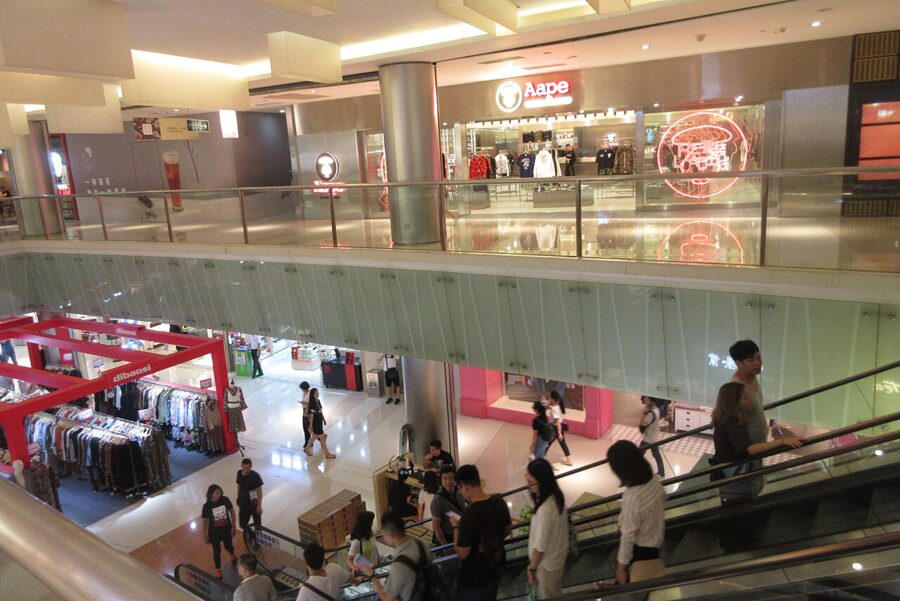

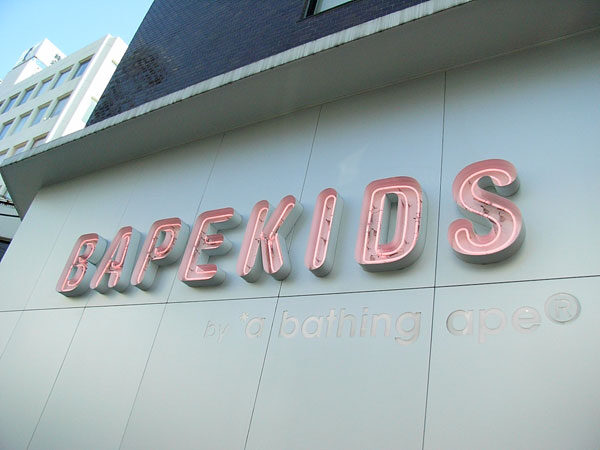
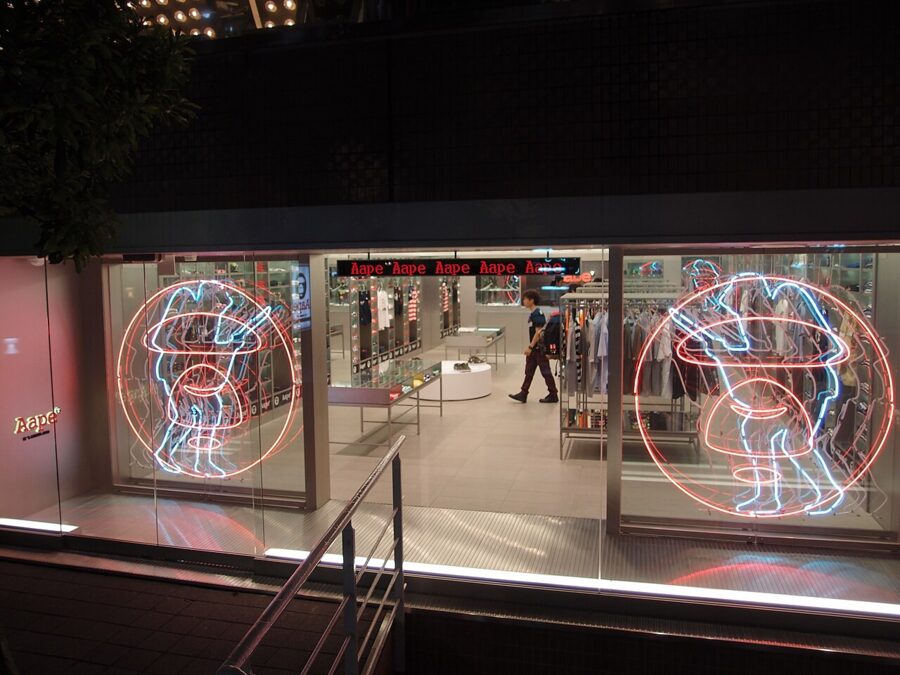
The lines have multiplied too. A Bathing Ape is the main line; BAPE BLACK is the high-end one; Mr. BATHING APE does tailoring and workwear; AAPE is the cheaper youth line; APEE is for young women; BAPE KIDS and Baby Milo cover children; and the A BATHING APE PIRATE STORE outlets sell past seasons at a discount.
Mr. BATHING APE got a Harajuku home in August 2024, the three-floor BAPE THINK, and Ginza got a two-floor street store that December, built around BAPE BLACK.
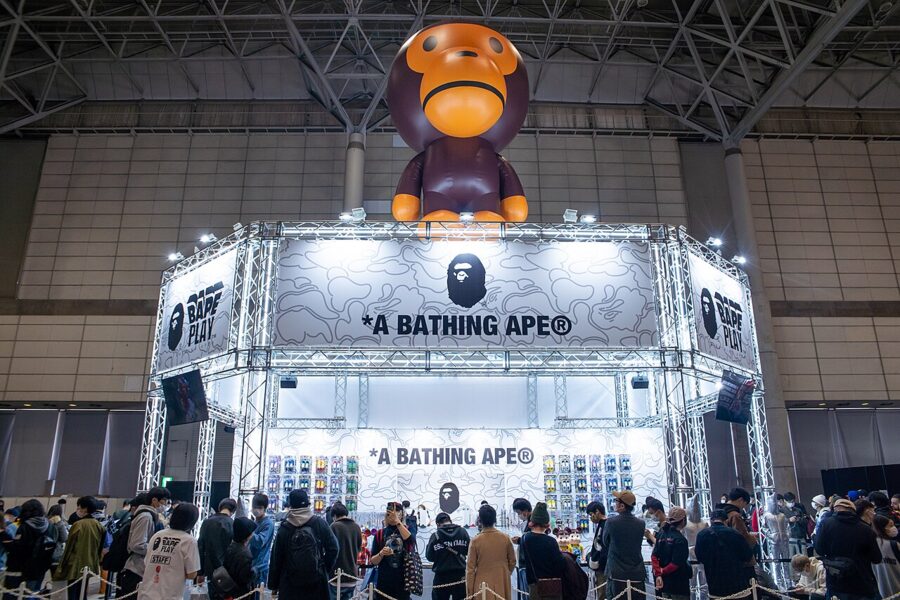

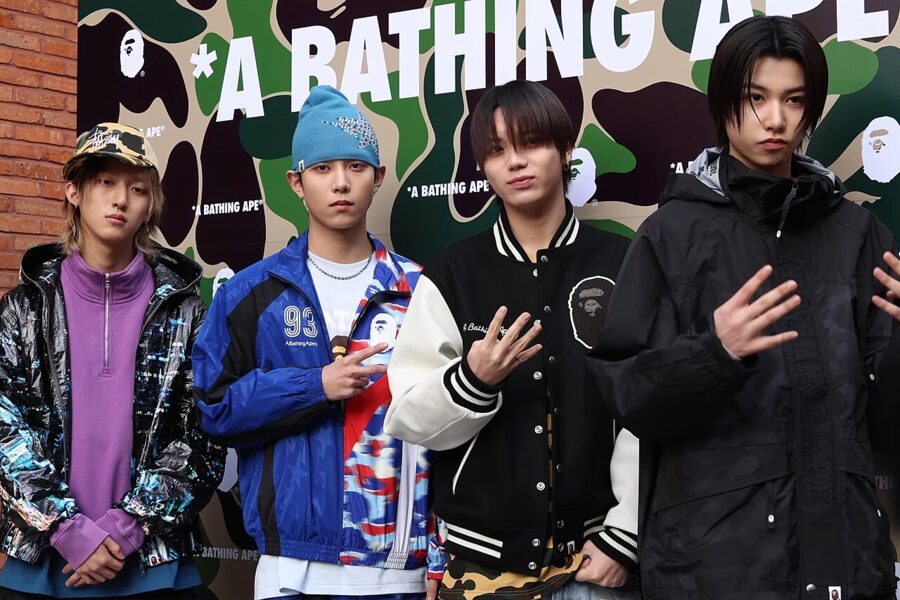
Who buys it? The store list answers most of that: shoppers in China, Korea and Southeast Asia, and the visitors from those places who make the Tokyo shops a stop. K-pop has taken over from American rap as the shop window: the Korean group LNGSHOT shot a press set in BAPE in March 2026. The current collaboration, with the London skate label Palace, runs from a ¥14,300 (about $90) T-shirt to a ¥79,200 (about $499) camo shark down jacket on the Japanese site.

Core prices on BAPE’s Japanese online store as of November 2026:
- 1st Camo Shark full-zip hoodie: ¥50,600 (about $319)
- 1st Camo T-shirt: ¥12,100 (about $76)
- BAPE STA sneakers: ¥31,900 (about $201)
For the money, I would buy the plain 1st Camo tee before any collaboration piece. It is the print that started everything, it costs a quarter of the hoodie, and it will look right in twenty years, which the Palace pieces may not.

Telling a real one from a fake
BAPE has been copied for as long as it has been scarce, and the fakes are good. Most of the work is done before you look at the garment.
- Check the seller against the brand’s list. The official store list names every BAPE STORE, the outlets, the brand’s web stores by country and the few marketplaces it sells through in its own name, such as ZOZOTOWN and Rakuten Fashion in Japan and Tmall in China. Anything else is resale, and resale is where the fakes live.
- Do the arithmetic. A new Shark hoodie costs ¥50,600 in Tokyo. One offered “new with tags” for a third of that is not a bargain.
- Find the faces in the camo. In real 1st Camo the Ape Heads are crisp and repeat at the same shape and size. Smudged, squashed or half-drawn heads are the commonest giveaway.
- Zip the Shark hood shut. The printed face should meet cleanly across the zip, and the “WGM” letters on the hood should be sharp. Wobbly teeth and a face that does not line up mean a cheap print.
- Look at the BAPE STA’s star. The star-and-bolt panel on a real pair is cleanly cut and evenly stitched, and the box should match the model and size on the shoe’s own label.

Harajuku and Aoyama on foot
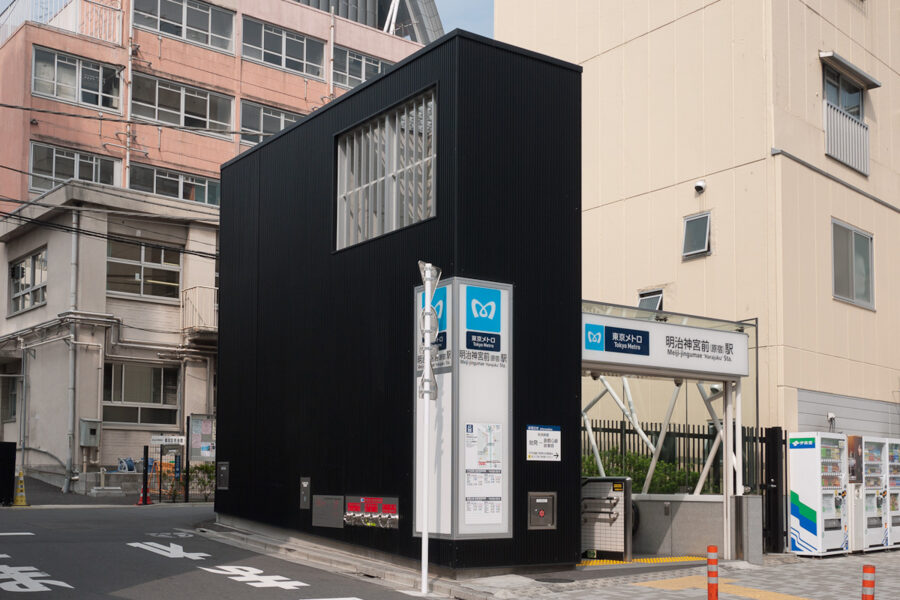
Start at Meiji-jingumae station on the Chiyoda and Fukutoshin subway lines, or at JR Harajuku, and walk into Jingumae 3-chome. Within a few blocks you pass three of the brand’s shops.
BAPE KIDS Harajuku is at Jingumae 3-29-11. BAPE THINK, the concept shop, is in the Oko Building at Jingumae 3-25-13, with Mr. BATHING APE on the first two floors and a VIP room on the third.

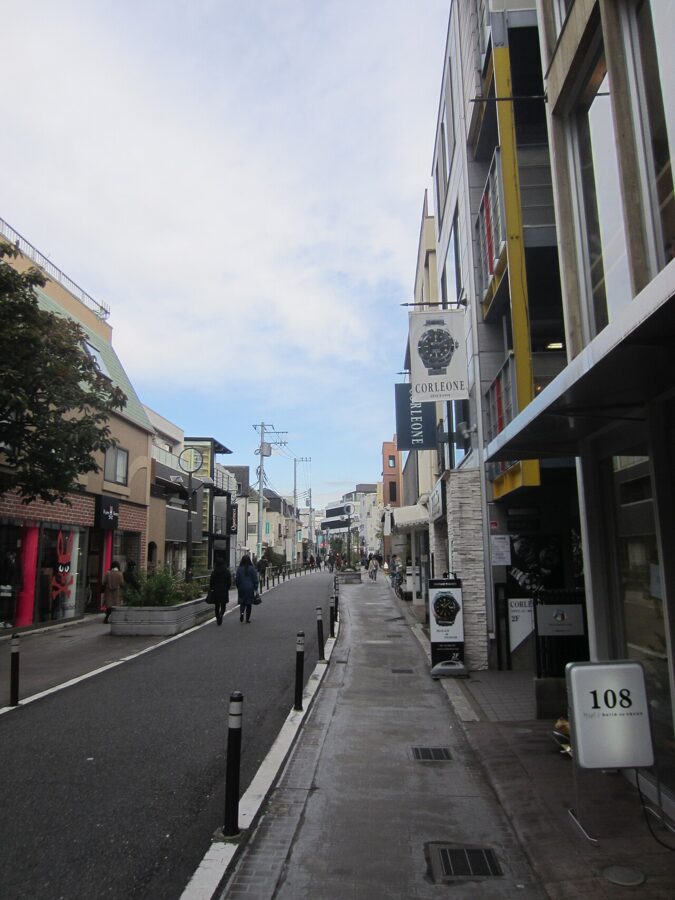
BAPE STORE Harajuku is at Jingumae 4-21-5, and APEE shares the address. Cat Street runs through the middle of all of it, following the old course of the Shibuya River, now buried. Walk it slowly and look down the side lanes, where small shops with no signs still trade from ground floors and basements.

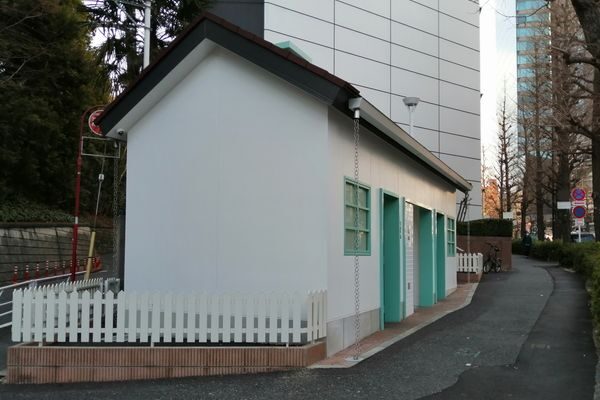
If you head up toward Harajuku station instead, look for the small white house at Jingumae 1-3-14. It is a public toilet, designed by Nigo for The Tokyo Toilet project to look like an old family home on a Harajuku corner, with blue-green window frames and ceiling fans inside.

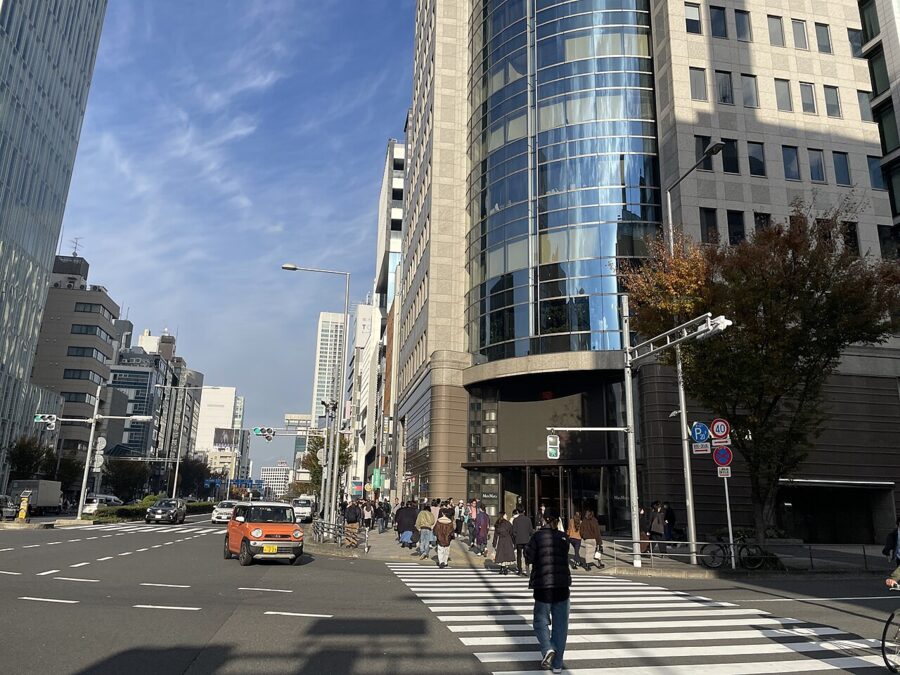
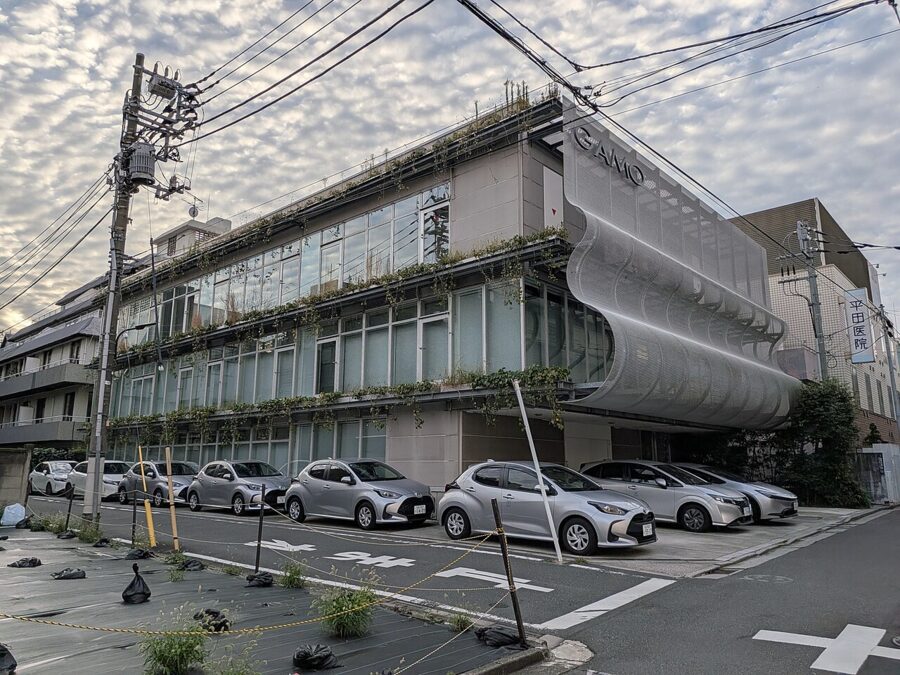
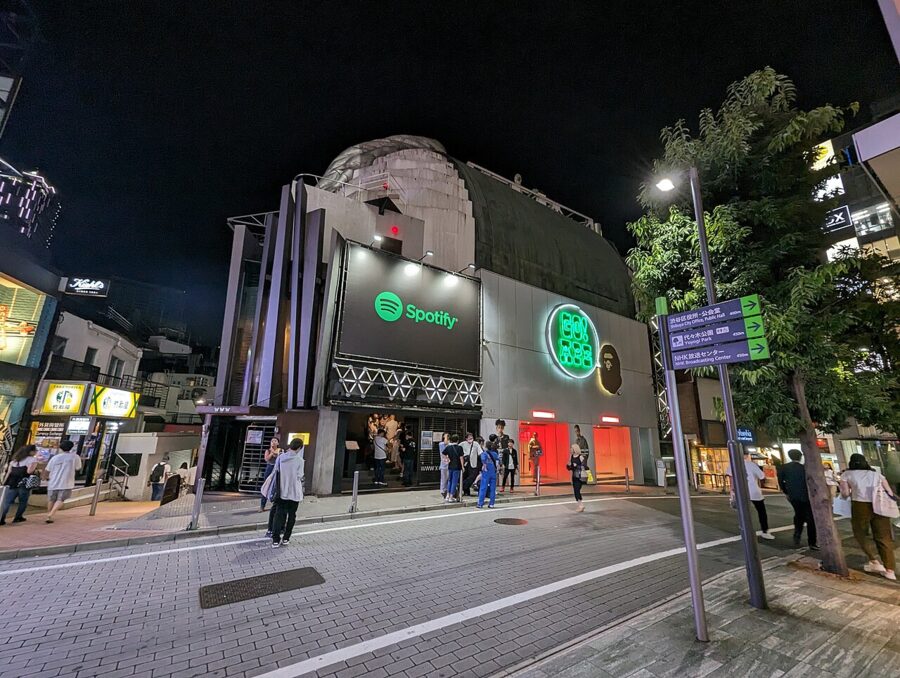
From Jingumae, cross Omotesando and keep going over Aoyama-dori into Minami-Aoyama. BAPEXCLUSIVE Aoyama, at Minami-Aoyama 5-5-8, is the only shop on the brand’s current list that carries the BAPEXCLUSIVE name. If you have the energy after that, BAPE STORE Shibuya is in the old Cinema Rise building at Udagawa-cho 13-17, under the green “GO! APE” sign, and it stays open an hour later than the rest.

| Store | Address | Hours (as of November 2026) |
|---|---|---|
| BAPE STORE Harajuku | 4-21-5 Jingumae, Shibuya-ku | 11:00 to 20:00 |
| APEE Harajuku | 4-21-5 Jingumae, Shibuya-ku | 11:00 to 20:00 |
| BAPE THINK | 3-25-13 Jingumae, Shibuya-ku | 11:00 to 20:00 |
| BAPE KIDS Harajuku | 3-29-11 Jingumae, Shibuya-ku | 11:00 to 20:00 |
| BAPEXCLUSIVE Aoyama | 5-5-8 Minami-Aoyama, Minato-ku | 11:00 to 20:00 |
| BAPE STORE Shibuya | 13-17 Udagawa-cho, Shibuya-ku | 11:00 to 21:00 |
Hours come from the brand’s own store list at jp.bape.com. Holiday hours change, so check before a special trip.
Go to the Harajuku flagship when it opens at 11, before the tour groups. Ask to see a 1st Camo tee and hold it at arm’s length until the ape faces come out of the blobs. That print is what a shop with no sign was selling in 1993, and it is still the best thing in the building.